Judicial Integrity: Supreme Court says judges with damaged credibility should be dismissed
Web Desk June 20, 2026The Supreme Court has ruled that judges whose reputation and credibility are seriously compromised should be dismissed from service rather than granted compulsory retirement, stating that public confidence remains the foundation of the judicial system.
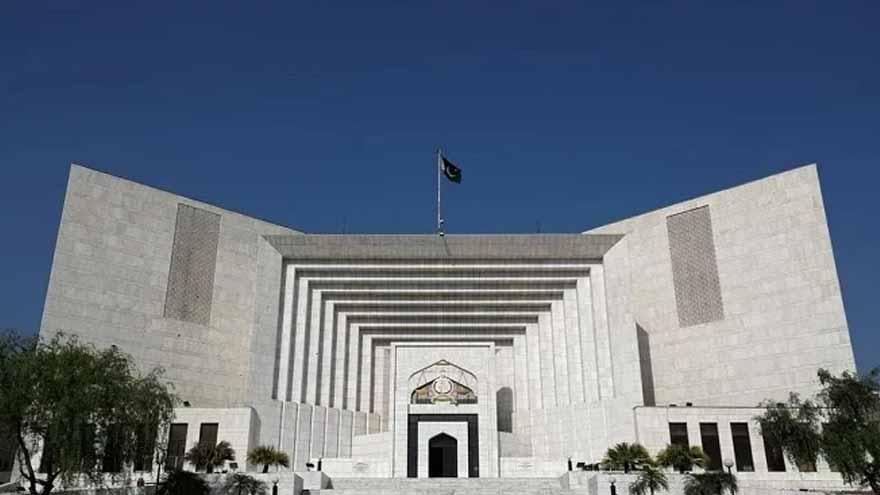
The Supreme Court has ruled that judges whose reputation and credibility are seriously compromised should be dismissed from service rather than granted compulsory retirement, stating that public confidence remains the foundation of the judicial system.
Hajj Policy: Pakistan introduces stricter rules for private Hajj operators
In a detailed judgment authored by Justice Shahid Waheed, a three-member bench that included Justice Naeem Akhtar Afghan and Justice Muhammad Shafi Siddiqui upheld the dismissal of former Additional District and Sessions Judge Afzal Zahid.
The court observed that judicial integrity extends beyond the absence of proven corruption and requires judges to demonstrate exemplary conduct, maintain impeccable character and preserve public confidence throughout their service.
“A judge’s integrity cannot be divided; it is either complete or non-existent,” the judgment stated, adding that members of the judiciary must remain above suspicion to sustain trust in the justice system.
According to the ruling, courts derive authority not through force but through public confidence and moral credibility. The bench warned that retaining judges whose reputation has become compromised weakens judicial ethics and damages confidence in legal institutions.
The judgment further stated that granting compulsory retirement and related benefits in cases involving questionable integrity could create the impression that judicial accountability is open to compromise.
The court also referred to Islamic principles and described judicial office as a sacred trust requiring fairness, honesty and accountability. The judgment cited Quranic teachings, Hadith and opinions of Islamic jurists to underline the importance of integrity and public confidence in judicial conduct.
The case originated from multiple complaints against former judge Afzal Zahid during his service in Mailsi, Punjab. Although a departmental inquiry did not conclusively establish corruption allegations, supervisory assessments found concerns regarding his reputation and integrity.
Authorities subsequently dismissed him from service. Later, the Service Tribunal converted the dismissal into compulsory retirement.
The challenge brought before the court also involved proceedings linked to the Lahore High Court, while the former judge sought reinstatement and removal of adverse observations from his record.
The Supreme Court ultimately restored the dismissal decision and held that the judiciary must uphold not only actual integrity but also the public perception of integrity.