

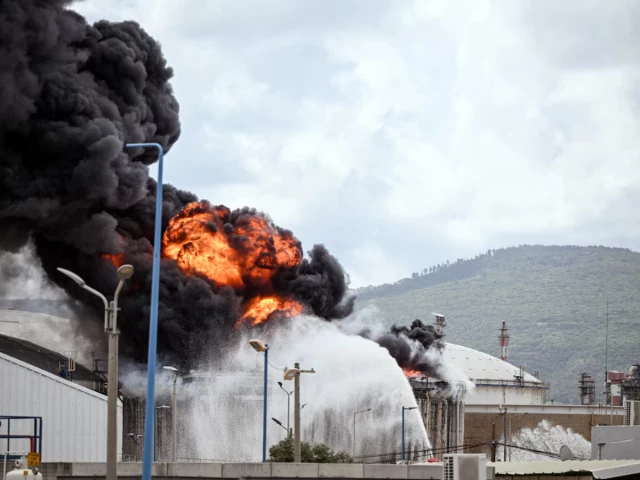
Northern Israel: At least six people were injured and several homes damaged after an Iranian missile strike hit northern Israel on Friday, escalating tensions in the ongoing US-Israel-Iran conflict.
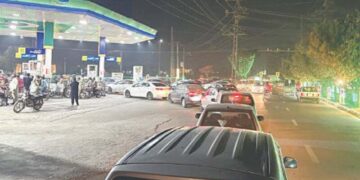
Pakistan Hikes Petrol to Rs458, Diesel to Rs520 Amid Global Oil Shock, Announces Targeted Subsidies
According to Israeli media, a 79-year-old was among those wounded when missiles struck the cities of Haifa and Kiryat Ata. Reports also indicated that some injuries were caused by debris and shockwaves from the powerful explosions.
The attack followed a barrage of around 15 rockets fired by Hezbollah, which triggered air raid sirens across northern Israel.
Haifa, a key strategic hub, houses Israel’s largest oil refinery, accounting for nearly 70 per cent of the country’s refining capacity. The city has already been targeted multiple times during the conflict.
Iran Claims Downing of US Fighter Jet
Iran’s Islamic Revolutionary Guard Corps claimed it shot down a US F-35 fighter jet in central Iran, marking the second such claim since the escalation began in late February. Iranian media reported that the pilot’s fate remains unknown.
The claim follows a similar assertion on March 19, which was rejected by United States officials. Tehran also said it had downed an Israeli F-16 a day earlier, though no independent confirmation has been provided.
Attacks Across the Region
The conflict continued to spread across the region, with drone strikes and air defence activity reported in multiple countries. In Kuwait, a refinery operated by Kuwait Petroleum Corporation was hit by drones, causing fires but no reported casualties.
Meanwhile, Saudi Arabia said its air defences intercepted seven drones in recent hours.
In Iran, a drone strike targeted a Red Crescent warehouse in Bushehr province, damaging relief equipment but causing no casualties. The province is also home to Iran’s first nuclear power plant.
US Escalates Threats
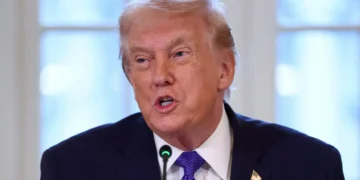
US President Donald Trump intensified rhetoric, warning that the US “hasn’t even started” targeting Iran’s infrastructure and could strike bridges and power plants next.
Recent US strikes reportedly hit infrastructure near Tehran, including a major bridge project, killing at least eight people and injuring dozens, according to Iranian state media.
Iran’s Foreign Minister Abbas Araqchi condemned the attacks, stating that targeting civilian infrastructure would not force Iran to surrender.
Hormuz Crisis Deepens
Tensions around the Strait of Hormuz have intensified, with Iran effectively restricting maritime traffic in retaliation for US-Israeli strikes. The waterway typically carries about one-fifth of global oil trade, raising serious concerns about energy supplies.
A virtual meeting led by United Kingdom involving around 40 countries explored options to restore navigation, though no concrete agreement was reached.
The United Nations Security Council is expected to vote on a Bahrain-backed resolution to secure shipping routes. However, China has opposed authorising the use of force, warning it could further escalate tensions.
The European Union also rejected Iran’s proposal to impose tolls on ships passing through the strait, stating such measures violate international law.
Rising Global Concerns
More than 100 US legal experts have raised concerns over potential violations of international law by US actions, including possible war crimes.
The conflict has already resulted in thousands of deaths and injuries across the Middle East, with humanitarian agencies warning of worsening medical shortages.
Global markets remain volatile, with oil prices surging and fears growing of a broader economic crisis, particularly in Asia, Europe, and Africa, as energy supply disruptions intensify.