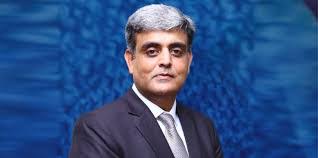


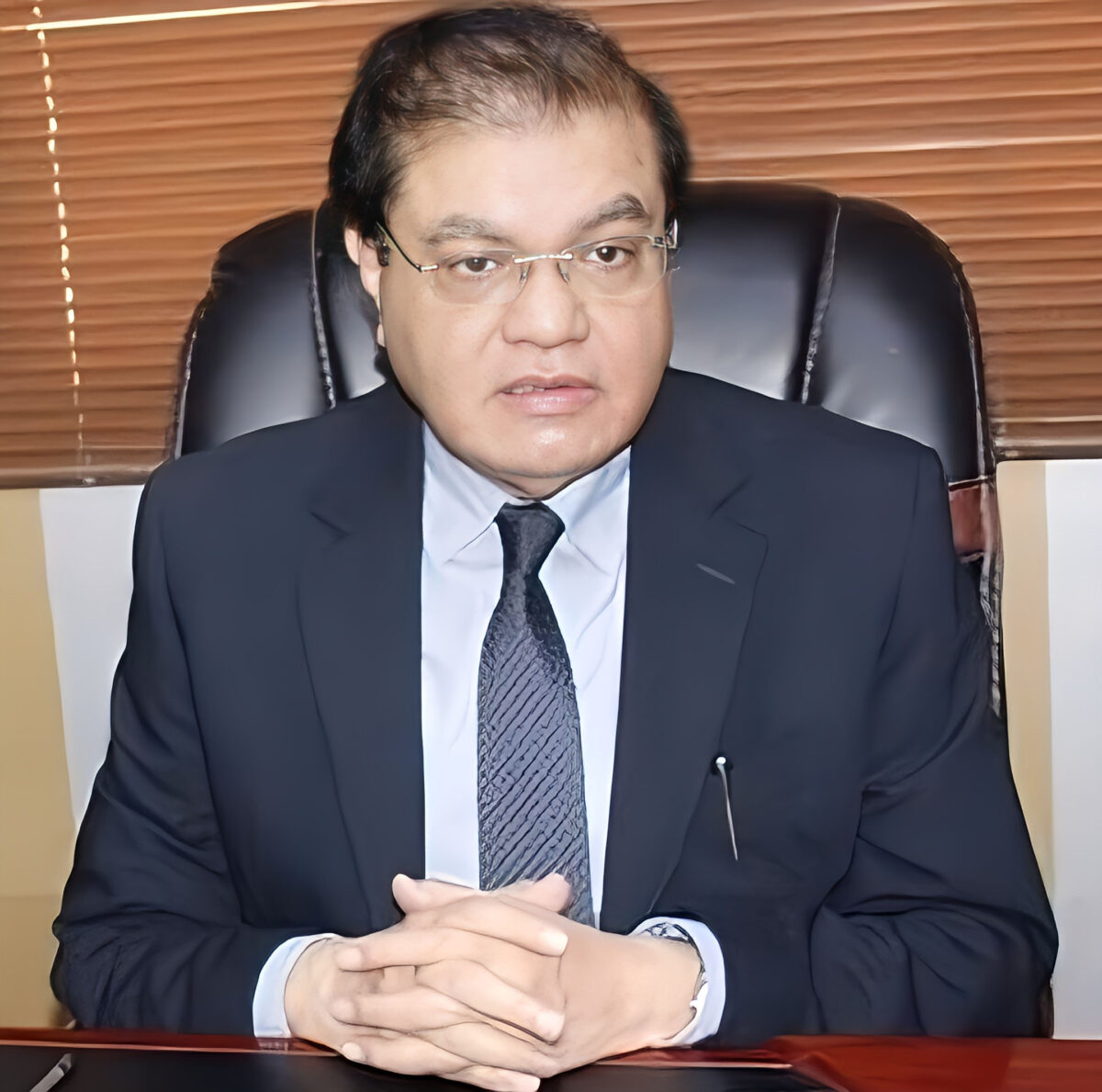
Karachi (July 14, 2025) : Mian Zahid Hussain, Chairman of the National Business Group Pakistan, President of the Pakistan Businessmen and Intellectuals Forum and the All Karachi Industrial Alliance, Chairman of the FPCCI Policy Advisory Board, and former provincial minister, has welcomed the federal government’s new 10-year industrial revival policy.
He emphasised that the Federation of Pakistan Chambers of Commerce and Industry (FPCCI) and the country’s leading and successful industrialists should be actively involved in both the formulation and implementation of the policy.
Mian Zahid Hussain stated that this initiative is a positive step and that industrialists who have made significant contributions to domestic production and exports should be included.
Speaking to the business community, the veteran business leader suggested that representative trade bodies under the leadership of the FPCCI be given adequate representation to ensure that the concerns of small and medium enterprises (SMEs) are addressed and their role in national development is strengthened.
He noted that nearly 100 companies, both domestic and international, contribute around 40% of Pakistan’s total exports. He should also be included in the policy-making process, with the FPCCI playing a facilitative role.
The involvement of experienced industrial institutions will lend greater credibility to the policy and yield more effective outcomes. He also called for consultation with trade bodies and inclusion of the mid-tier manufacturing sector while advocating that the mining and minerals sector be granted formal industrial status.
The government has termed the proposed policy a significant step toward industrial revival. Key components of the plan include the rehabilitation of sick industrial units, financial facilitation for SMEs, tax and bankruptcy law reforms, and amendments to outdated industrial regulations. The draft policy also incorporates learnings from successful international models.
Mian Zahid Hussain stated that the policy’s success will depend not just on a long-term vision but on efficient and inclusive implementation. He noted that many of the committees overseeing the policy include members with direct experience in long-term industrial investment and industrial forums have also been consulted. Experts have broadly endorsed the policy’s direction.
There is consensus within the business community that partnership and inclusivity are essential for the policy’s success. Pakistan’s manufacturing sector has been in decline for decades, marked by falling productivity, weak export competitiveness, and limited investment in value-added products. Unless the new policy addresses exporters’ challenges and reduces the high cost of doing business, it risks becoming yet another failed economic initiative, further eroding investor confidence.
Such an outcome, Hussain warned, would widen the gulf between the government and the industrial sector, jeopardising both revival efforts and export targets.