


Karachi: In the wake of a nationwide protest and strike by industrialists and the export industry
following a surge in gas prices, Faraz-ur-Rehman, President of the Korangi Association of Trade and
Industry (KATI), expressed deep concern over the government’s perceived lack of empathy and
responsiveness to the mounting challenges faced by the industrial sector.
Over 3,000 industries participated in the strike, highlighting the severity of the issue, yet the
government and administration displayed an alarming indifference to the economic repercussions, as
noted by President Faraz-ur-Rehman. He pointed out that the lack of impact on the government’s stance
during the protest indicates a disconcerting lack of interest in alleviating the hardships faced by
industrialists.
Demanding immediate attention from Prime Minister Anwar-ul-Haq Kakar, Army Chief General Asim
Munir, and Minister of Commerce and Industry Dr. Gohar Ijaz, President KATI urged the government to
address the pressing concerns raised by the industrial community.
President KATI emphasized the financial strain on manufacturers who are already grappling with
bankruptcy due to the high cost of production, making it impossible for them to absorb the staggering
132 percent hike in gas prices. He also highlighted the International Monetary Fund’s condition to
eliminate circular credit, stating that this necessitates addressing 40 percent of line losses as a crucial
step.
Faraz-ur-Rehman stressed that merely increasing prices is not a sustainable solution to the problem. He
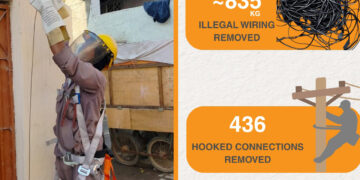
pointed out that the industry faces significant losses and thefts, equal to the amount of gas required for
production. Calling for immediate action, President KATI underscored the importance of curbing theft
and line losses, urging the government to prioritize controlling these issues before imposing additional
burdens on industrialists.
As the industrial sector grapples with economic challenges, the call for urgent government intervention
resonates across the business community, emphasizing the need for a collaborative effort to address the
pressing issues affecting the nation’s economic landscape.


ADVERTISEMENT