Federal Banking Ombudsman Sirajuddin Aziz Discusses Evolution of Pak-China Relations at Quaid-e-Azam House Museum
In a talk titled “Friends, Not Partners”, Aziz highlights China’s development model, investment concerns and the need for long-term policy planning
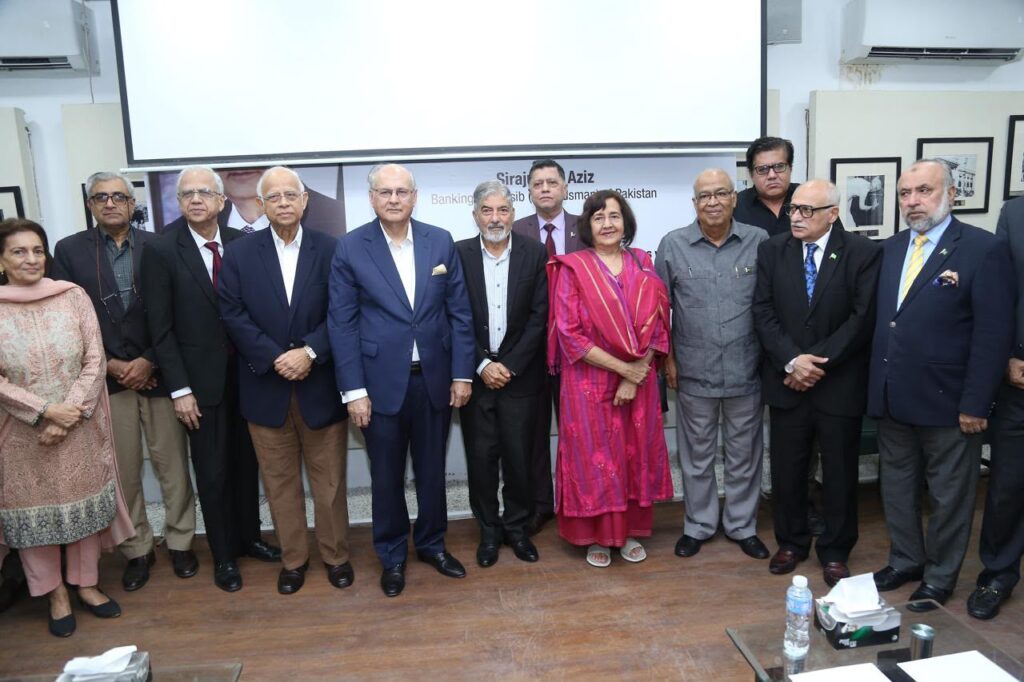
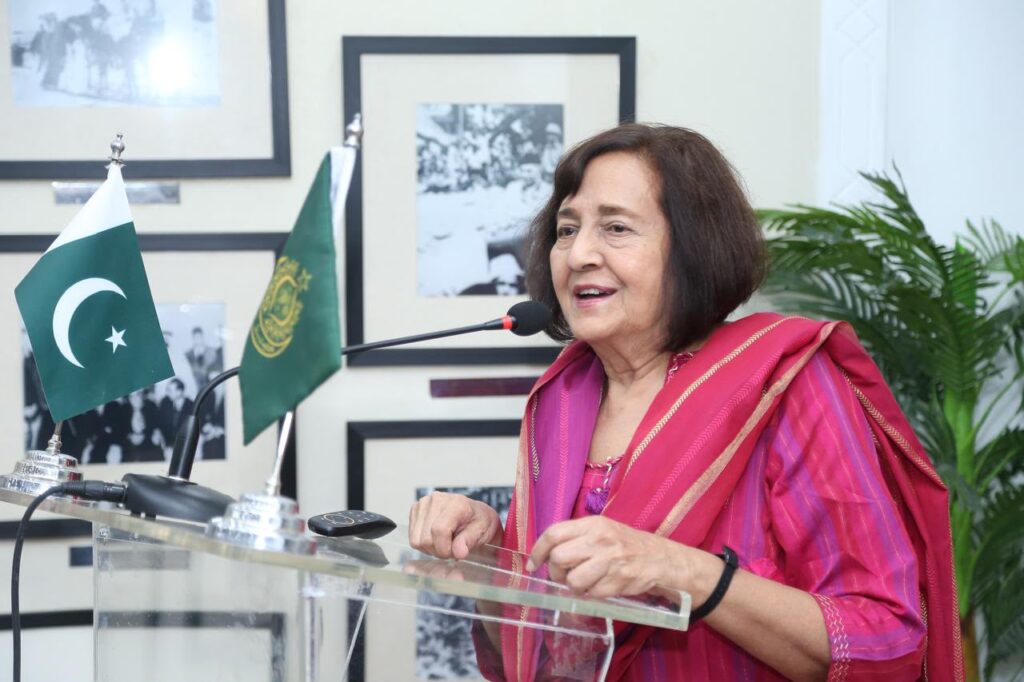
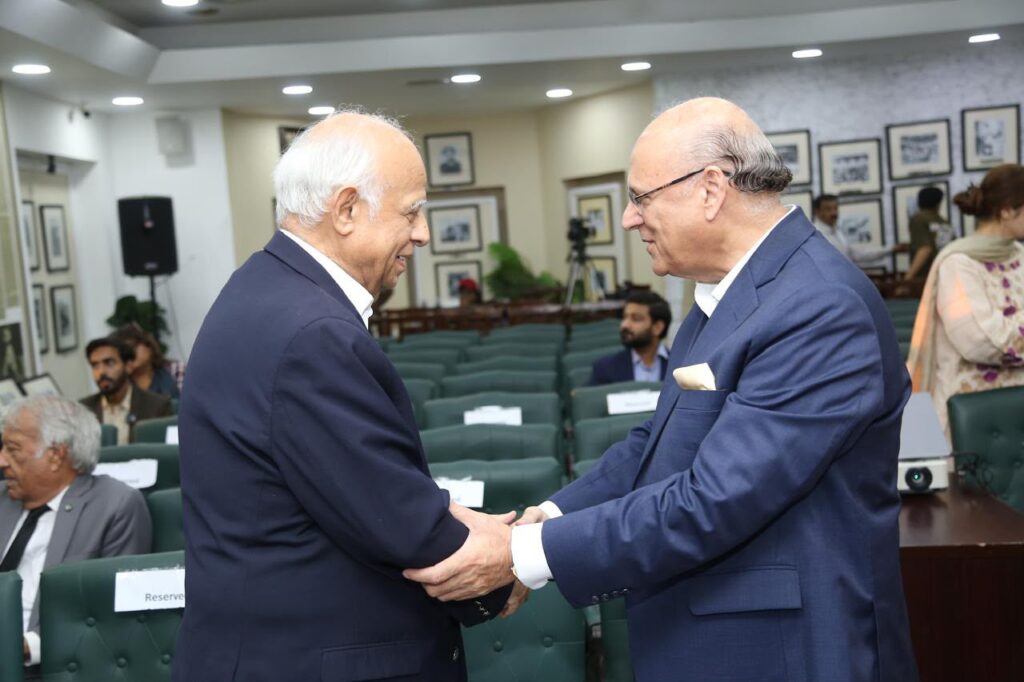
Federal Banking Ombudsman Sirajuddin Aziz speaks on Pak-China relations at the Quaid-e-Azam House Museum in Karachi.
KARACHI: Federal Banking Ombudsman Sirajuddin Aziz has highlighted the changing dynamics of Pakistan-China relations, emphasising the importance of stronger governance, security and long-term planning to deepen bilateral cooperation.
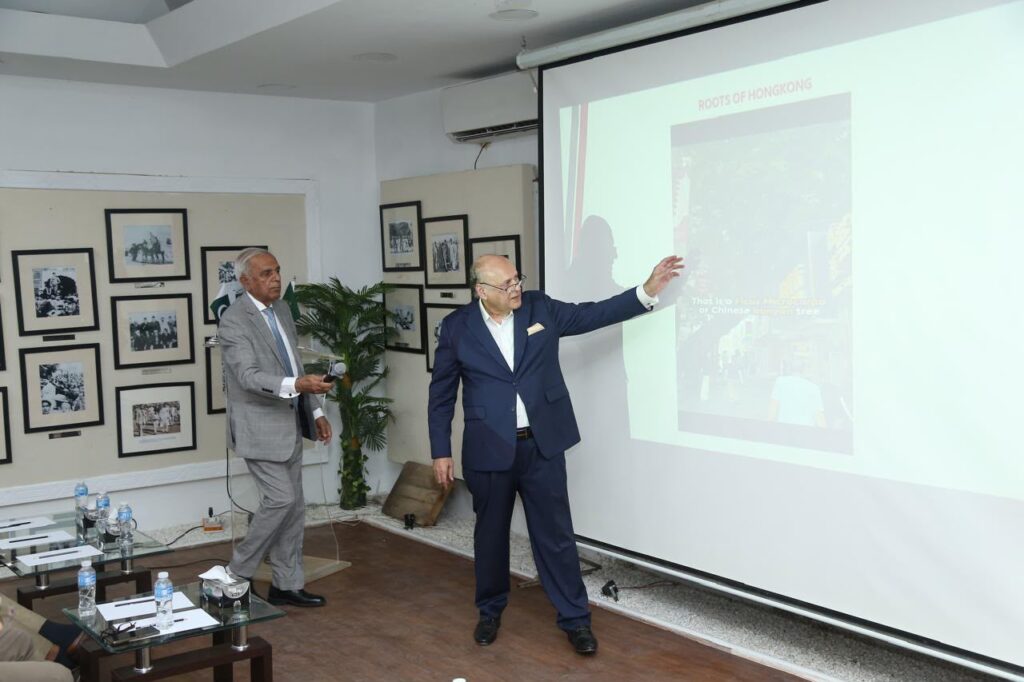
He shared his views during a talk and presentation titled “Friends, Not Partners: The Growth and Development of Pakistan’s Relationship with China” at the Quaid-e-Azam House Museum (QAHM).
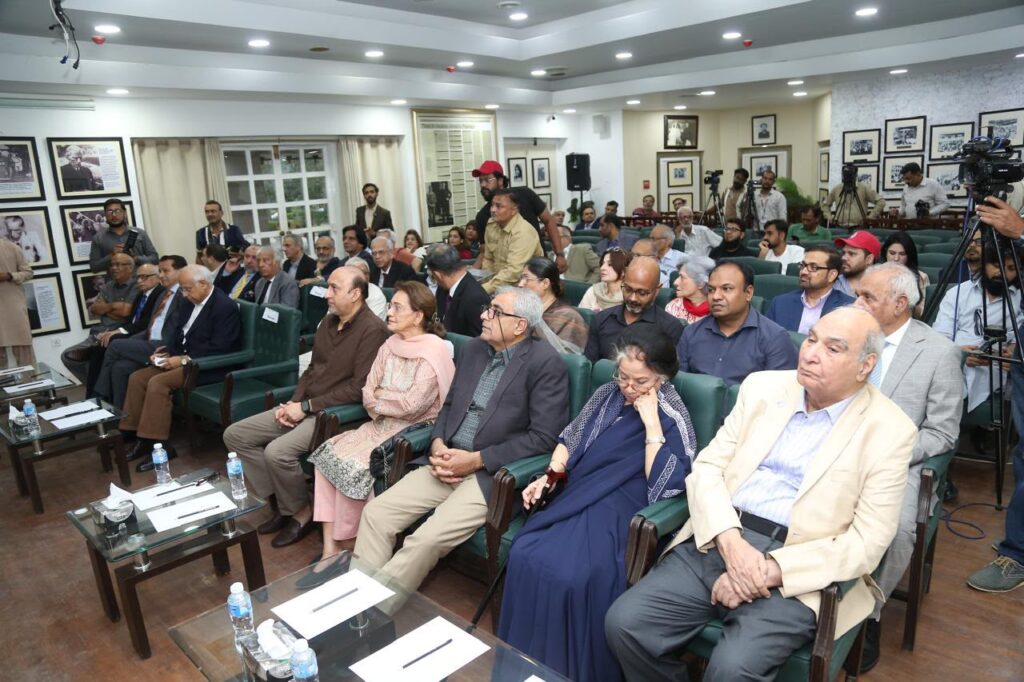
The event attracted business leaders, academics, educators, bankers, civil society representatives and media professionals.
Rotary Ambassador Hosts Intellectual Gathering, Guest Praises Warm Hospitality
QAHM Secretary General Commodore Sadeed Malik welcomed the participants. Subsequently, Ameena Saiyid (S.I.), a member of the museum’s Board of Governors, introduced the guest speaker.
Aziz Compares Pakistan’s and China’s Development Journeys
During his presentation, Aziz traced China’s transformation in the decades following the Cultural Revolution. He compared the development paths of the two countries and highlighted differences in national discipline and governance.
He observed that Pakistan predates the People’s Republic of China. However, he said China’s approach to development demonstrated a strong emphasis on discipline and attention to detail.
Illustrating his point, Aziz described how even large construction sites in China maintain strict cleanliness, with no stray bricks or debris outside their boundaries.
Pakistan-China Relations and Investment Challenges
Aziz also discussed the historical foundations and present state of Pakistan-China relations.
He recalled former Chinese Premier Zhou Enlai’s remarks to Henry Kissinger about Pakistan: “A bridge once made is not used only once.”
However, Aziz offered a candid assessment of the relationship’s changing priorities. He said Beijing continued to value its historical ties with Islamabad but suggested that Pakistan no longer held the same strategic priority it enjoyed during the 1970s.
He identified inadequate security arrangements for Chinese nationals as a major obstacle to greater Chinese investment in Pakistan.
Drawing a comparison with Africa, Aziz noted that several African countries had attracted substantial Chinese investment despite regional challenges. He attributed this partly to their ability to provide security for Chinese workers.
Ikram Sehgal Calls for Long-Term Policy Planning
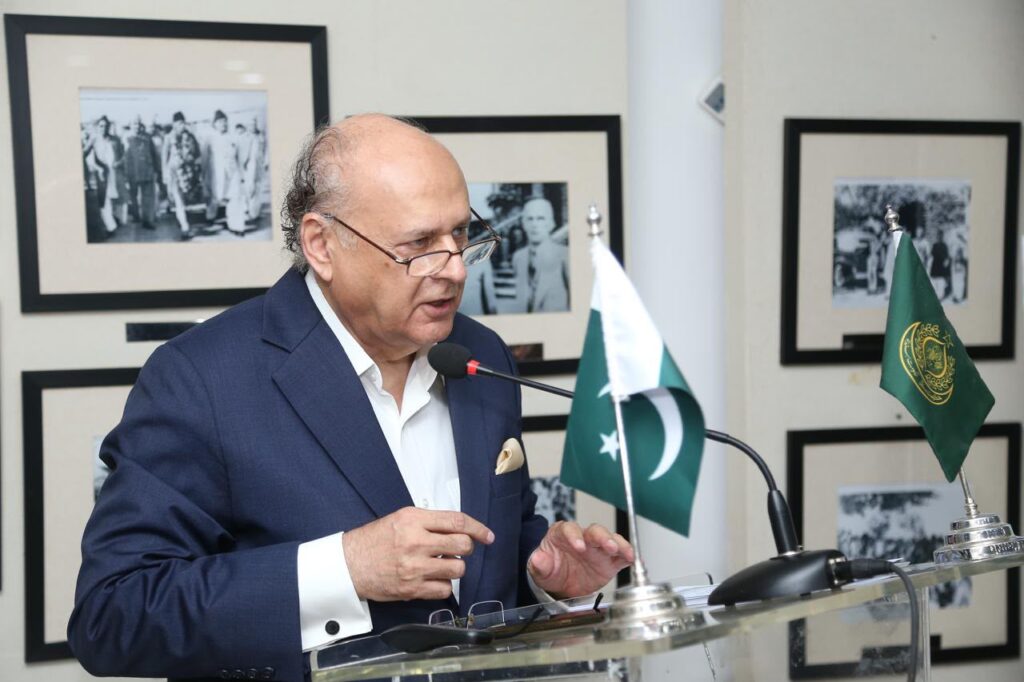
The presentation was followed by an interactive question-and-answer session. QAHM Vice Chairman Ikram Sehgal delivered the concluding remarks.
Referring to the importance of long-term planning, Sehgal shared an observation from a Chinese counterpart: “Pakistanis plan for five to ten years; China plans for a hundred.”
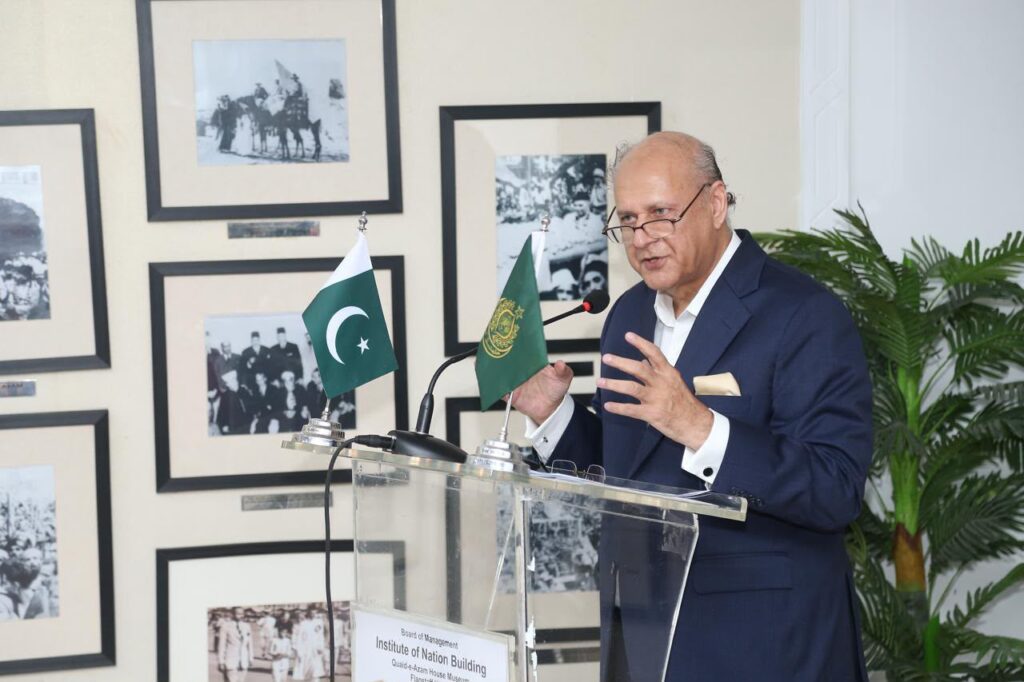
He also cited Japan as an example of policy continuity. Despite having 47 prime ministers, he noted, the country had maintained consistency in its core economic policies.
Sehgal Pays Tribute to Sirajuddin Aziz
Sehgal also recalled his professional association with Aziz during the latter’s tenure as President of Bank Alfalah.
He credited Aziz with helping develop the bank into one of Pakistan’s major financial institutions. Sehgal further praised his ability to engage with the media and his current work as Federal Banking Ombudsman.
He highlighted Aziz’s efforts to provide timely justice to banking consumers through the office of the Federal Banking Ombudsman.
Distinguished Guests Attend the Event
Prominent attendees included Shahnaz Wazir Ali, Saeeda Laghari, Mahnaz Rahman, Shahida Jamil, Ikhtiar Baig and Majyd Aziz, among others.
Through such programmes, the Quaid-e-Azam House Museum continues to encourage informed discussion about Quaid-e-Azam Muhammad Ali Jinnah, Pakistan’s history and the country’s evolving role in international affairs.