

The FBI’s dedication to defending the homeland extends beyond defusing national security threats and preventing espionage.
It also includes stopping hostile foreign governments from bullying or silencing people located on U.S. soil and who they see as threats to their regimes. This threat, known as transnational repression (TNR), can victimize members of foreign diasporas and their friends and loved ones, U.S. lawmakers who hostile nation-states want to control, or even members of the general public who these foreign governments consider to be dissenters.
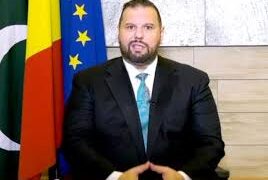
“The FBI will not tolerate foreign governments’ tactics to intimidate, silence, coerce, harass, or harm those living in the United States,” said Assistant Director Roman Rozhavsky of the FBI’s Counterintelligence and Espionage Division. “Transnational repression is diametrically opposed to fundamental American values, and combating it is a key priority for not only the FBI, but also the entire U.S. government and many of our foreign partners.”
TNR can notably impact international students who legally travel to the United States to pursue higher education. The urgency of this threat is compounded in college towns like Philadelphia, where these students make up a significant portion of the local community.
In response, the FBI Philadelphia Field Office has created the Bureau’s first operational task force dedicated to recognizing, reacting to, and disrupting TNR threats.
“Transnational repression is diametrically opposed to fundamental American values, and combating it is a key priority for not only the FBI but also the entire U.S. government and many of our foreign partners.”
Roman Rozhavsky, assistant director,
FBI Counterintelligence and Espionage Division
A team effort against TNR
FBI Philadelphia created the task force in January 2025 as a proactive response to the threat of transnational repression in its jurisdiction, which includes eastern Pennsylvania and three counties in New Jersey.
“We have a high volume of academic institutions with international students, critical infrastructure assets and organizations, large-scale private sector corporations, popular tourist attractions and national parks, and high-producing research institutions,” explained James, a special agent who leads the FBI Philadelphia TNR Task Force.
“Each of these sectors presents unique areas of interest for threat actors to target individuals though TNR, so we are constantly looking for opportunities to proactively harden these target areas.”
The task force brings together 22 federal, state, local, and community partner agencies, like the U.S. attorneys’ offices in the Eastern District of Pennsylvania and the District of New Jersey, the National Park Service, the Philadelphia Police Department, and campus police departments from area colleges and universities.
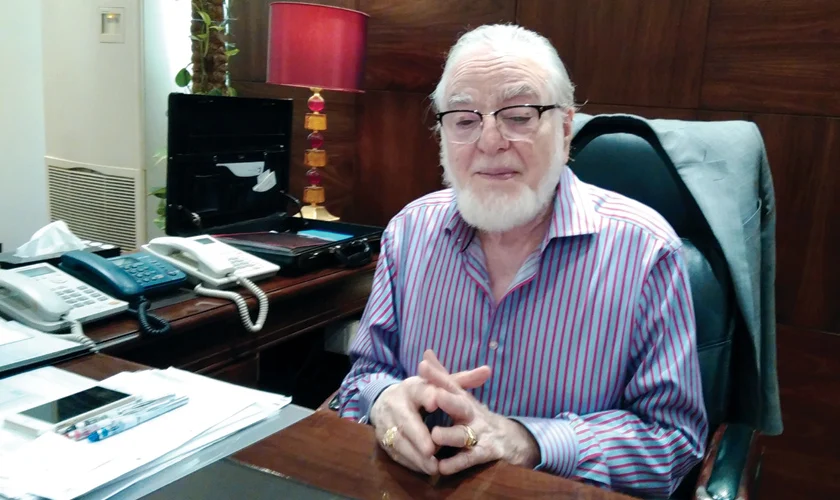
“No single agency can address such complex and evolving threats alone,” said Wayne A. Jacobs, special agent in charge of the FBI’s Philadelphia Field Office. “The FBI’s task force model, one we have used for generations, brings together the reach and expertise of our local, state, federal partners, acting as a force multiplier. By working together to combat transnational repression, we are able to identify threats more quickly, respond more effectively, and better protect the communities we serve.”
The task force accomplishes its mission by:
- sharing threat intelligence
- teaching area law enforcement how to recognize and respond to transnational repression
- improving reaction times to reports of suspected incidents
- educating communities about TNR
- conducting joint operations with task force members
Task force members also monitor the ever-changing nature of the threat, since online intimidation can quickly escalate into physical threats like kidnapping, assault, harassment, and assassination attempts.
In one of the team’s earliest successes, the FBI and the Philadelphia Police Department (PPD) combed through approximately five years’ worth of police reports made to the local department. Task force members analyzed how each tip had been handled, identified common threads between them, and identified reports that investigators should have more quickly flagged as involving TNR. The task force uses this data as part of its effort to educate local law enforcement.
“Through our continued partnership with PPD, we have been able to educate frontline officers and detectives on how to recognize and react to TNR threats and develop mitigation strategies to serve our community for years to come,” James added. “Every person we can educate is a member of the team.”
Making an impact
The task force’s varied approach to combating TNR makes its definition of success similarly multifaceted.
“Our ultimate goal is to protect these individuals from being victimized,” James said. To date, the task force has identified more than 50 TNR victims.
Other successes can include minting new partnerships with academic institutions or presenting a threat briefing to area law enforcement officers to adding a new partner agency to the task force’s ranks. These seemingly small steps can go the distance in helping the Bureau and our partners meet the operational goals of convicting and prosecuting perpetrators of TNR.
“At its heart, this task force is centered on protecting free speech and upholding the constitutional rights of those in the United States,” James noted. “Many victims of TNR across the U.S. are targeted because they are exercising this free speech and are advocates for those overseas that may not have a voice.
“The FBI Philadelphia TNR Task Force is just another example of the unique ways the FBI continues to rise to meet the threat, accomplish our core objectives, and defend the homeland.”
“By working together to combat transnational repression, we are able to identify threats more quickly, respond more effectively, and better protect the communities we serve.”
Wayne Jacobs, special agent in charge,
FBI Philadelphia Field Office
From our partners

Philadelphia Police Department
“Philadelphia is a global city, with diverse communities and world-class businesses, colleges and universities, and it’s our responsibility to make sure everyone here feels safe,” said Philadelphia Police Commissioner Kevin J. Bethel. “The Philadelphia Police Department is pleased to be part of this task force and to work alongside the FBI and our partners to identify these threats early, intervene when necessary, and prevent intimidation or harm from taking root in our neighborhoods and on our campuses. This is our work—protecting people, safeguarding free expression, and ensuring Philadelphia remains a city where individuals are free to live, learn, work, and speak without fear.”

U.S. Attorney’s Office for the Eastern District of Pennsylvania
“We and our partners on the TNR Task Force are committed to defending this district, and everyone in it, from the malign acts of our international adversaries,” said David Metcalf, U.S. attorney for the Eastern District of Pennsylvania. “We simply won’t tolerate foreign governments conducting clandestine harassment campaigns on U.S. soil.”
The National Counterintelligence Task Force
The FBI is the lead U.S. government agency for domestic counterintelligence investigations and has an extensive range of authorities. But as Joshua Obstfeld, a section chief within the Bureau’s Counterintelligence and Espionage Division, explains, “there are investigative actions we cannot take, where we don’t have any control or impact.”
In response, the FBI in 2019 formed the National Counterintelligence Task Force (NCITF). This Headquarters-level organization combines the vast authorities and capabilities of the U.S. Intelligence Community, federal law enforcement, and other government agencies. The NCITF creates a whole-of-government approach to counterintelligence, using experts from the various U.S. government agencies with a stake in protecting our nation’s secrets—whether from an investigative, regulatory, or other type of perspective.
This collaboration empowers the FBI to ensure interagency efforts are in lockstep with the Bureau’s overall counterintelligence strategy. It also helps the various U.S. government agencies in crafting policies that can improve private-sector counterintelligence efforts.
You can visit our Counterintelligence and Espionage resource page to learn more about our efforts to protect the homeland from these types of threats.
How counterintelligence task forces protect our communities
Each of the Bureau’s 56 field offices has a task force dedicated to combating the wider counterintelligence threat.
“These are task forces that are modeled after the Joint Terrorism Task Forces, composed of members from all relevant agencies,” explained Joshua Obtsfeld, a section chief with the FBI’s Counterintelligence and Espionage Division.
The task force seeks to create relationships between the Bureau, the private sector, and community organizations.
First, members of these field-based Counterintelligence Task Forces determine which teammate is best-positioned to initiate contact, based on preexisting working relationships and rapport. Together, they build a relationship the task force can leverage in the fight against counterintelligence threats.
The ultimate hope is that these relationships can quickly inform the FBI and our partners about these risks before sensitive information makes it into hostile hands. “We want to prevent bad things from happening,” Obstfeld said. “We do not want to come in after the fact.”