


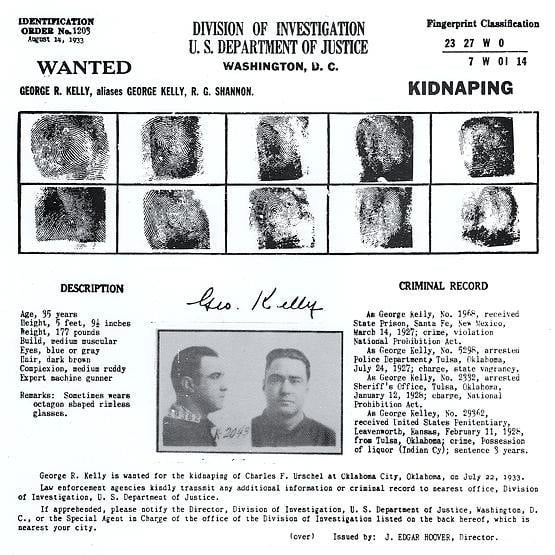
The bureau of investigation recently marked a hundred years since the CJIS division set up the main repository for fingerprints, an important landmark in the use of biometrics. The Director Christopher Wray successively outlined the historical shift from manual to NGI System, which has 161 million records of fingerprints and enables quick responses equal to computer search in seconds. The ceremony was conducted at the CJIS facility located in Clarksburg, West Virginia to pay tribute to the Identification Division that began collecting fingerprint records across the country in 1924.
In the decades that has followed, technological solutions of IAFIS as well as NGI have greatly changed work: The number of cases that can only be analysed through detailed visual analysis was only 3% of transactions. This transformation established CJIS as an important centre for law enforcement, which has improved capacity throughout the world for crime solving and the prevention of terrorist activities through the use of biometrics.
The Latinos also observed historical artifacts whereby the development from fingerprint cards to some current computers that contain faces, scans the iris, and others in biometric modality were demonstrated in the ceremony. As for the division experience, Acting Assistant Director Tim Ferguson focused on the further progress accomplished for real-time criminal investigation activities and the preservation of the nation’s security.
FBI’s use of NGI and other system show that the bureau is truly invested in the application of technological advancements in criminal justice domain. While growing and changing as an agency over time, the CJIS Division’s mandate is clear to deliver indexed biometric services to police forces around the globe as effectively, efficiently, and securely as possible.