

KARACHI: Expressing concern over the growing incidence of drug abuse, especially among students in Pakistan, speakers at a seminar held in connection with the International Day against Drug Abuse and Illicit Trafficking called for urgent measures to tackle the menace.
They also identified exam anxiety and stress as major factors pushing students to use drugs and called upon parents and teachers to provide support for them.
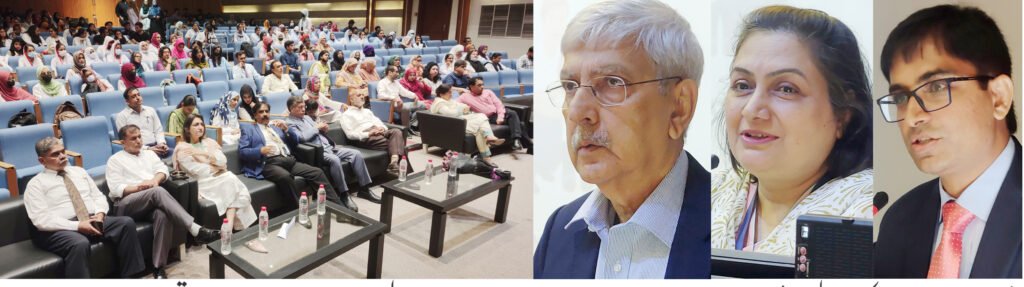
The awareness seminar was organised at Muin auditorium, Dow Medical College, under the auspices of the Psychiatry Department. Principal Dow Medical College Professor Saba Sohail, Dr. Brigadier (R) Shoaib Ahmed, Dr. Washdev Amar, Dr. Ayesha Sarwat, Dr. Javed Akbar Dars, Uzma Ali, Dr. Uroosa Talib, Dr. Brigadier (R) Ramzan Mehr, Dr. Nadeem Iqbal. Dr. Ajmal Mughal, Dr. Kiran Bashir, Dr. Majid Ali Abidi, Dr. Amit Kumar, Dr. Naeem Siddiqui, Dr. Zaib un Nisaa and Dr. Chuni laal also spoke. While Professor Nawaz Lashari from Civil Hospital Karachi, resident doctors of psychiatry department, students and teachers were also present in the seminar.

Speaking to the seminar, Vice Chancellor, Dow University of Health Sciences, Professor Muhammad Saeed Quraishy has said that the drug addiction has reached to the alarming level in Pakistan and if immediate actions were not take, it will lead to destruction.
“The youth are among the most vulnerable groups to substance abuse and strategies are needed to protect them from this menace”, he said.
He added that the university was currently engaged in efforts against a group of drug peddlers reportedly active in Ojha campus. “The situation indicates how pressing the issue is, requiring support from all stake holders, including parents.”
He cited a national survey conducted in collaboration with the United Nations Office on Drugs and Crime (UNODC) according to which 6.7 million people in Pakistan, or nine percent of the population, were addicted to various substances, including tobacco and alchohol.
“The number of individuals affected by cannabis (hashish, marijuana, bhang etc) and amphetamines (ice and other stimulants also known as psychostimulants) is rapidly increasing worldwide. The Drug Day report 2022 says that there were 284 million drug users in the world in the year 2020”, he said.
In her speech at the seminar, Principal DMC Professor Saba Sohail emphasized the need to help out students who fall prey to drug abuse.
“Instead of ignoring or ridiculing students who demonstrate unusual behavior, we need to focus on their treatment and provide counselling so that they can return to their normal routine”, she said.
Brigadier (retd) Shoaib Ahmed, head of Abdul Qadir Khan Institute of Behavioural Sciences, said that a psychological assessment test should be done for new students or recruits in any field, aimed at identifying mental health issues, if any, at an early stage. He said that a questionnaire can also be prepared for the same.
Addressing the participants, Prof. Iqbal Afridi said that steps are being taken to reduce mental pressure on students worldwide. We also suggest that you should not suffer from any mental stress due to Marks. Be moderate in exam preparation too. Dr. Farah Iqbal said that neighborhood committees should be formed to solve psychological problems, which were previously formed here, and scholars should also be told to highlight religious teachings on these important issues in such a way that the pressure on minds can be reduced. In fact, people turn to drug habit to reduce mental stress.
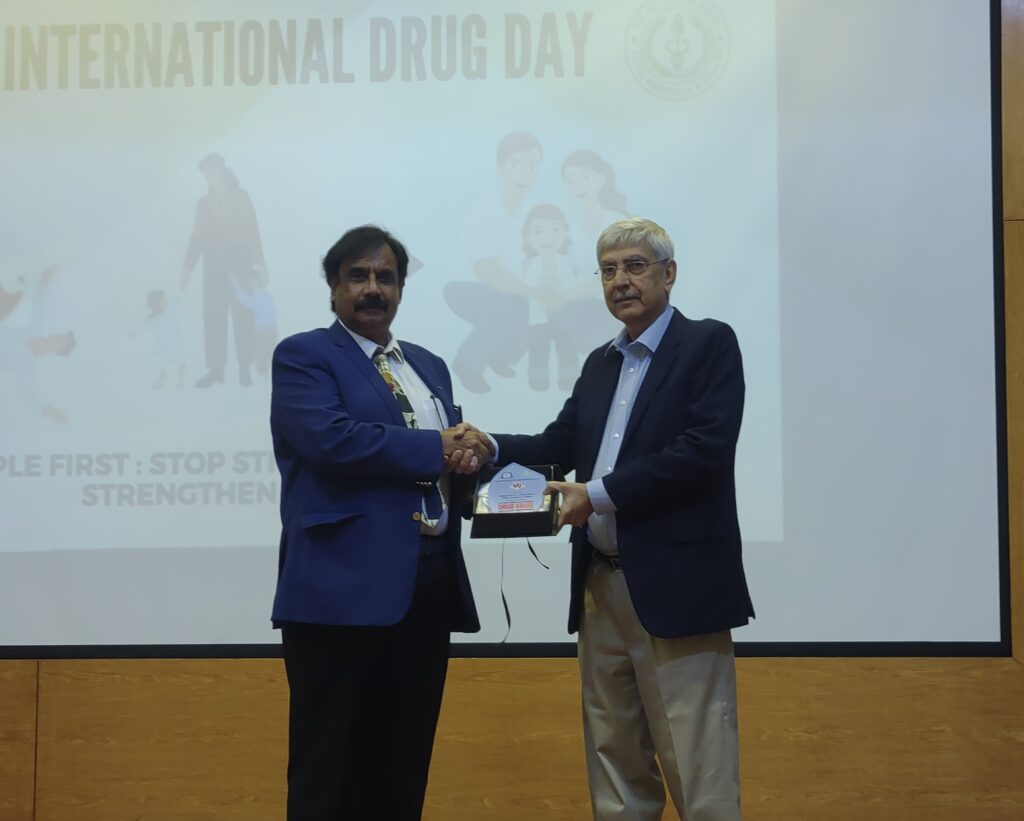
In-charge of Department of Psychiatry, Dow University of Health Sciences, Dr. Washdev Amar said that usually the habit of addiction is adopted by being influenced by someone and the sufferer thinks that he will quit after a certain period of time, but it gets to the point where the sufferer is forced to tell themselves that quitting is not enough for them anymore. He said that the habit of addiction here is considered bad character. It is not really a character disorder but it should also be considered as a disease and needs to be treated with sympathy and treatment instead of hating or loathing the sufferer. He said that addicts also deserve our sympathy in the same way as other sick people are shown compassion. Dr. Washdev more said that, the release of dopamine, a chemical from the center of the brain, causes feelings of pleasure and well-being. An imbalance in dopamine release leads to depression. Addiction initially gives relief to the sufferer but gradually leads to chemical imbalance, which requires treatment. At the end of the ceremony, Professor Muhammad Saeed Quraishy presented honorary shields to all the distinguished guests.