


ISLAMABAD (October 24, 2025) Pakistan’s debt and crippling inflation have soared to record levels, pushing essential goods beyond the reach of most households and deepening their economic distress, business leaders warned on Friday.
Former president of the Islamabad Chamber of Commerce and Industry, Shahid Rashid Butt, said the government’s uncontrolled borrowing and policy inaction were breaking the financial backbone of ordinary citizens. “The cost of living is rising every day while policymakers appear detached from people’s hardships,” he said while talking to traders.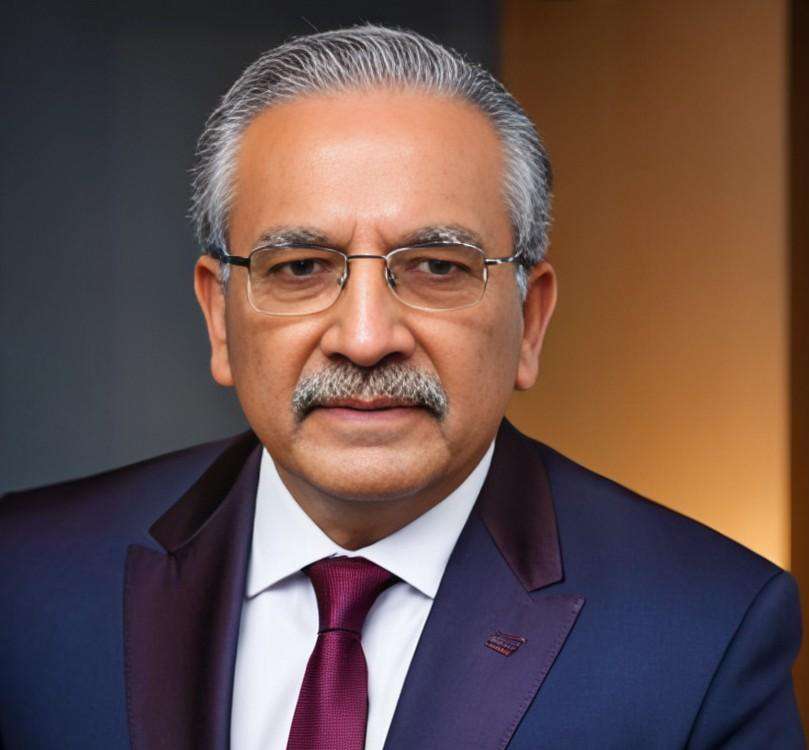
Former president of the Islamabad Chamber of Commerce and Industry, Shahid Rashid But
He noted that public debt has surged to over 70 percent of GDP, surpassing the legal ceiling of 60 percent set under Pakistan’s Fiscal Responsibility and Debt Limitation Act. The Finance Ministry recently admitted that the growing debt burden poses a serious threat to the country’s financial sovereignty.
According to official data, Pakistan’s total public debt exceeded Rs 80 trillion by the end of the fiscal year 2025. Interest payments alone consume around 89 percent of the federal government’s net tax revenues, leaving little budgetary space for public welfare or infrastructure investment.
Shahid Rasheed Butt warned that excessive government borrowing has forced banks to lend primarily to the government rather than to private businesses, stifling industrial growth and job creation. The economy is weakening, industries are struggling, and consumers are drowning in inflation. Yet, bank profits continue to rise, he said.
The business leader described the growing debt as the “central economic risk” facing Pakistan, arguing that GDP growth remains too slow to keep pace with borrowing. Without fiscal discipline, lower interest rates, and faster economic expansion, he cautioned, Pakistan’s economic outlook will remain bleak.
He urged the government to implement immediate reforms to promote sustainable growth, enhance revenue collection, and reduce reliance on expensive borrowing. “Without fiscal discipline and coordinated monetary policy, Pakistan’s future will remain at the mercy of debt and inflation,” he said.
The failure to curb uncontrolled borrowing and implement meaningful fiscal reforms means Pakistan’s economy remains profoundly vulnerable to a debt spiral that chokes industrial growth and perpetuates poverty. Economic stability will remain hostage to the twin crises of record debt and crippling inflation unless serious reforms are initiated, he warned.