

By Dr. Gholam Mujtaba, MS, MD, Ed.D.
USA : On November 28, 2024, EU Ambassador to Pakistan Riina Kionka tweeted a pointed reminder of Article 19 of the International Covenant on Civil and Political Rights (ICCPR), emphasizing “the right to seek, receive, and share information and ideas through any media.” Though concise, this statement carries profound implications for Pakistan’s economic and diplomatic standing, particularly in light of its trade relations with the European Union (EU) and the anticipated policy shifts from the upcoming U.S. administration.
EU’s Stance on Human Rights Violations and Trade Risks
The European Union has a robust track record of linking human rights adherence to trade privileges. Pakistan, benefiting significantly from the Generalized Scheme of Preferences Plus (GSP+), enjoys duty-free access to the EU market for over 76% of its exports, primarily textiles and clothing. The total trade volume between Pakistan and the EU reached approximately €11.87 billion in 2023, with exports to the EU amounting to €7.94 billion.
However, this preferential access is contingent upon compliance with 27 international conventions, including the ICCPR. Non-compliance, especially violations of Article 19 concerning freedom of expression, presents a clear risk to this lucrative trade arrangement.
Historical precedents demonstrate how the EU has responded to human rights violations:
• Myanmar (1997): Trade privileges were suspended following systemic abuses, including suppression of free expression.
• Sri Lanka (2010): GSP+ benefits were revoked due to media suppression and failure to ensure accountability for human rights violations.
• Belarus (2020): Sanctions were imposed in response to widespread crackdowns on freedom of expression and assembly.
These cases highlight the EU’s willingness to use trade as leverage to enforce compliance with human rights standards.
Future Risk for Pakistan
The EU has already expressed concerns about Pakistan’s adherence to international commitments under GSP+, and recent developments amplify these risks. Violations of Article 19—such as censorship, repression of dissent, or media controls—could:
1 Trigger a GSP+ Review: Any perceived failure to uphold freedom of expression may result in suspending or withdrawing preferential trade terms, which could increase tariffs on Pakistani exports.
2 Reduce Competitiveness: Without GSP+, Pakistani textiles and clothing—73.2% of exports to the EU—would face stiff competition from other exporters like Bangladesh, which maintains favorable trade terms.
3 Destabilize the Economy: A decline in exports would directly impact foreign exchange earnings, employment in the textile sector, and overall economic stability.
U.S. Policy Shifts Under Secretary of State-Designate Marco Rubio
The incoming U.S. administration will compound international pressure on Pakistan. Senator Marco Rubio, as Secretary of State-designate, is expected to pursue a hardline approach toward nations perceived as undermining democratic norms. Rubio’s consistent advocacy for penalizing Pakistan for alleged election rigging and a lack of democratic accountability aligns with his broader commitment to human rights.
Under Rubio’s leadership, the U.S. may adopt measures similar to the EU’s, such as:
• Reducing Economic Assistance: Linking development aid to improved governance and transparency.
• Strengthening Sanctions: Imposing penalties for actions that suppress democratic freedoms or human rights.
This potential alignment between EU and U.S. policies could significantly isolate Pakistan diplomatically and economically.
Recommendations for Pakistani Establishments
To safeguard its trade relations and diplomatic standing, Pakistan must urgently:
1 Uphold Freedom of Expression: Ensure media independence and protect citizens’ rights to free speech, aligning with Article 19 of the ICCPR.
2 Strengthen Electoral Integrity: Address concerns regarding election rigging and democratic governance to prevent international scrutiny.
3 Engage with the EU and U.S.: Through diplomatic dialogue and actionable commitments, proactively address concerns raised by Ambassador Kionka and the incoming U.S. administration.
Conclusion
The EU’s emphasis on Article 19 of the ICCPR and the anticipated hardline stance from the U.S. under Secretary of State-designate Marco Rubio represent critical challenges for Pakistan. The stakes are high: Failure to uphold fundamental freedoms could lead to the loss of GSP+ benefits, a significant decline in trade, and broader economic repercussions. Pakistan must act decisively to align with international norms and ensure that short-sighted policies do not jeopardize its financial future.
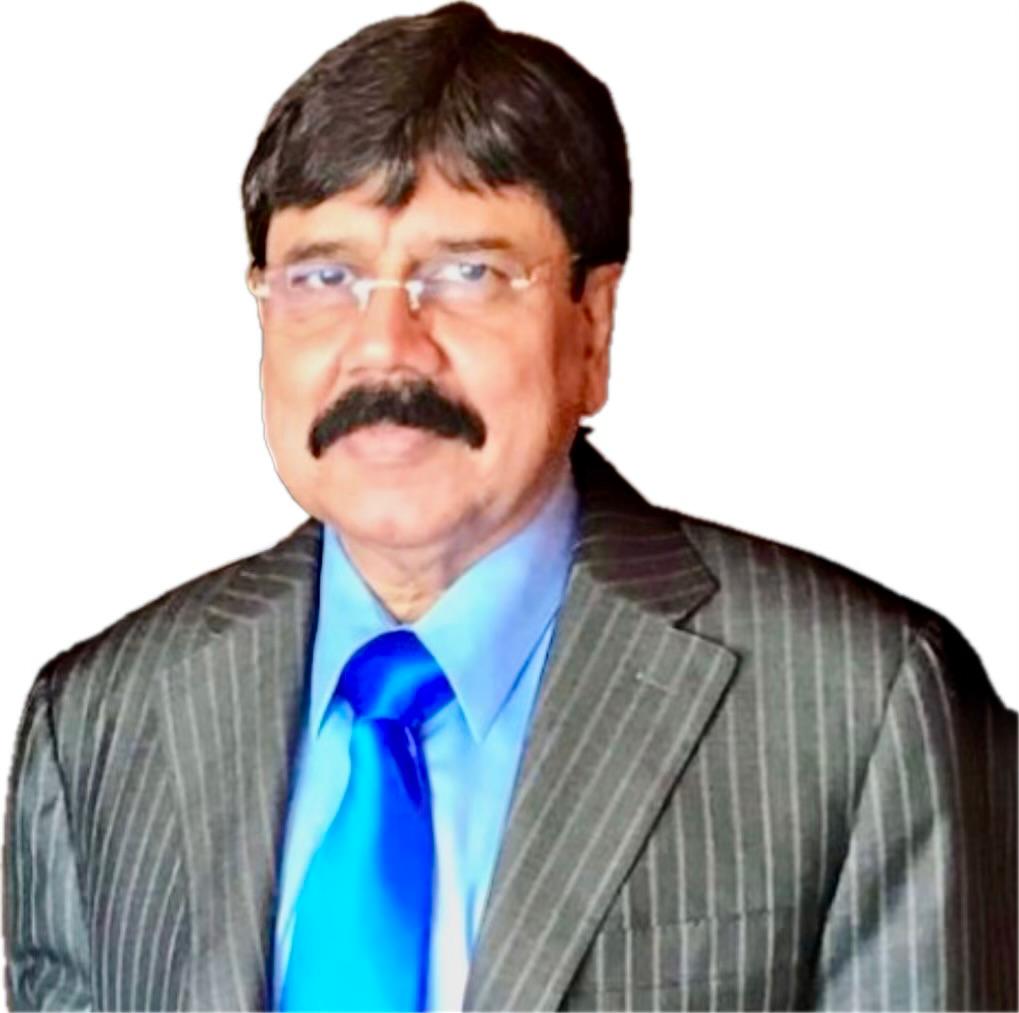
Dr. Gholam Mujtaba, MS, MD, Ed.D., is a seasoned policymaker and advocate for democratic governance.
Advertisements