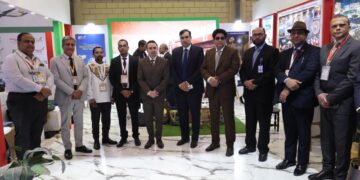


Peshawar : A meeting was held between TDAP Peshawar and the Olive Culture II Scale-up Project Team at the Agriculture Research Institute (ARI) Tarnab, Peshawar, to explore areas of collaboration for strengthening Pakistan’s olive value chain and enhancing market access for olive-based products. The OliveCulture II Scale-up Project—funded by the Italian Ministry of Foreign Affairs/AICS under CIHEAM Bari, in partnership with the Ministry of National Food Security & Research—runs from 2024 to 2027 and builds on the achievements of OliveCulture I. Led by Mr. Marcello Goletti and Ms. Zakia Khan, the project aims to introduce advanced climate-resilient cultivation practices, improve production quality, scale processing capacity, promote social inclusiveness, and reduce Pakistan’s dependence on edible oil imports.
During the meeting, the OliveCulture team briefed TDAP on the project’s core objectives, including improving orchard management, enhancing farmer skills, upgrading olive extraction and processing units, and introducing international quality standards. TDAP highlighted its mandate to support product development, value addition, branding, and market access—especially in national and international markets.
Both sides identified several collaboration opportunities. TDAP will support product improvement, packaging and branding enhancements, export readiness assessments, certification guidance, and participation in national trade shows such as FoodAG, TEXPO, and WEXNET. TDAP also offered to develop market intelligence reports and link olive enterprises with domestic buyers, e-commerce platforms, and potential international importers. The OliveCulture team expressed interest in TDAP’s technical guidance for meeting international quality, labeling, and food safety requirements.
The meeting concluded with a shared commitment to collaborate on strengthening the olive value chain in KP and Pakistan. TDAP Peshawar will prepare a detailed proposal outlining interventions for product development, export compliance, and market linkages, while the OliveCulture II team will facilitate field visits, data sharing, and coordination with producer groups. This partnership is expected to contribute to rural economic uplift, increased olive-based production, import substitution, and enhanced export potential.