Pakistan Accounts for 48% of Extreme Poverty in MENAAP Region, Says Mian Zahid Hussain
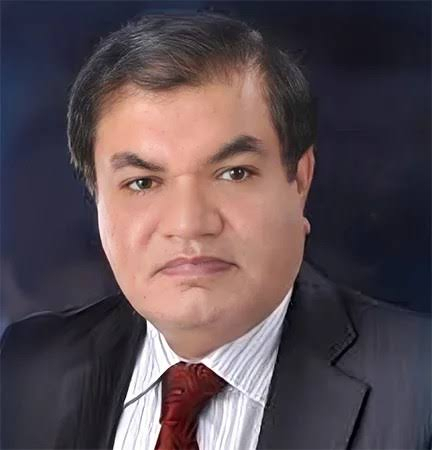
Mian Zahid Hussain calls for industrialisation and job creation to address Pakistan’s rising poverty.
Pakistan accounts for 48 percent of people living in extreme poverty across the Middle East, North Africa, Afghanistan and Pakistan (MENAAP) region, according to figures cited by business leader Mian Zahid Hussain. He has described the World Bank’s latest economic report as a wake-up call for Pakistan’s economic and development policies.
Mian Zahid Hussain, president of the Pakistan Businessmen and Intellectuals Forum and All Karachi Industrial Alliance, said the report highlights the country’s worsening poverty situation. He stressed that economic progress must improve household incomes, create decent jobs and make essential goods affordable.
According to the World Bank report, Middle East, North Africa, Afghanistan and Pakistan Economic Update: From Divide to Opportunity: AI, Jobs, and Growth, Pakistan’s poverty rate at the international US$3-a-day threshold rose by 6.4 percentage points between 2018–19 and 2024–25.
The report also found that 14.3 percent of the MENAAP region’s population lived below this poverty line in 2024, compared with 10.4 percent globally. Mian Zahid said the figures underline the need for stronger policies to protect vulnerable households and expand economic opportunities.
Inflation and Economic Shocks Deepen Poverty
Mian Zahid attributed the rise in poverty to a series of economic shocks. These include the COVID-19 pandemic, the devastating floods of 2022, high inflation, currency depreciation and difficult economic adjustment measures.
All Karachi Jashn-e-Keamari Football Tournament to Feature 96 Teams
He said these pressures weakened household incomes and reduced employment opportunities. Low-income families suffered the greatest burden as food, energy and transport costs increased.
The business leader also warned that economic stability cannot be measured by GDP growth and foreign-exchange reserves alone. Policymakers must consider wages, employment, food affordability and the purchasing power of ordinary citizens.
The World Bank projects Pakistan’s GDP growth at 3.8 percent and inflation at 8.2 percent in 2027. Its projected real per-capita GDP growth of 2.2 percent also points to continued challenges in achieving broad-based prosperity.
High Energy Costs Burden Households and Industry
Mian Zahid said high electricity, gas, petrol, diesel and transport costs are placing pressure on both households and businesses. These expenses increase industrial production costs and weaken the competitiveness of local manufacturers.
He also highlighted the financial burden of underperforming public-sector entities and inefficiencies in the power sector. He cited annual losses of around Rs800 billion from underperforming public-sector entities and approximately Rs1 trillion in losses linked to electricity theft, line losses and weak recoveries.
He urged the government to address these structural problems and strengthen supply chains. Digital monitoring of essential commodity stocks and their movement could also help prevent unnecessary costs from reaching consumers and businesses.
Targeted Relief Must Support Long-Term Growth
Mian Zahid welcomed targeted assistance for low-income households through the Benazir Income Support Programme. He also described targeted fuel relief for vulnerable citizens as a positive step.
However, he stressed that relief programmes alone cannot deliver lasting poverty reduction. Pakistan needs sustained investment in human resources, infrastructure, productive industries and private-sector-led growth.
He called for policies that encourage industrialisation, value addition and export-led development. These measures, he said, can create employment, raise incomes and expand opportunities for young people.
AI and Digital Skills Can Create New Opportunities
Mian Zahid also highlighted the World Bank’s discussion of artificial intelligence as a potential driver of productivity and economic growth.
He said Pakistan should expand digital skills training, improve local-language data resources and ensure reliable internet access. Businesses also need support to adopt technology and improve their productivity.
He emphasised that technology should deliver practical economic benefits. It should lower service costs, improve business opportunities and equip young people with skills that employers need.
Mian Zahid concluded that Pakistan must link macroeconomic stability with industrial development, job creation and higher household incomes. Without these measures, he warned, economic improvements may fail to deliver meaningful relief to the people most affected by poverty.