Mian Zahid Hussain Calls for Technology-Driven Strategy to Build Pakistan Brands
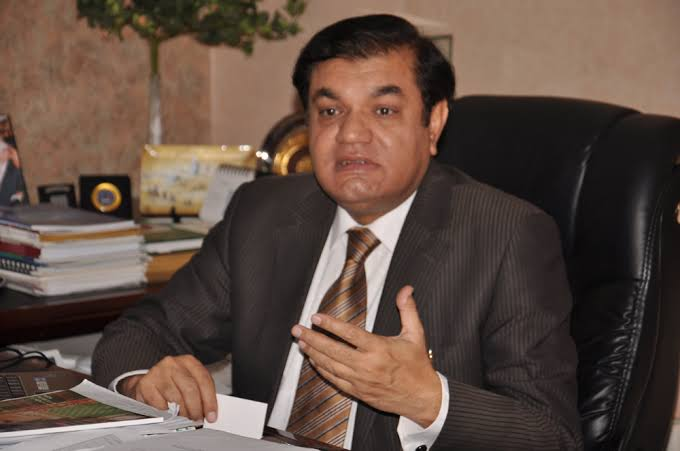
Mian Zahid Hussain calls for technology and value addition to strengthen Pakistan’s global brand.
Pakistan must adopt modern technology and increase value addition to build globally competitive brands, said Mian Zahid Hussain, President of the Pakistan Businessmen and Intellectuals Forum and Chairman of the National Business Group Pakistan.
He welcomed the operationalisation of the National Centre for Brand Development (NCBD). He described the initiative as a positive step for Pakistan’s export sector.
The NCBD is designed to strengthen Pakistan’s national brand and help local businesses develop globally competitive brands. Official Planning Commission documents also link the centre with export growth and entrepreneurship.
Mian Zahid Hussain said branding alone cannot make Pakistani products globally competitive. He called for technology-driven production, reliable supply chains and competitive business costs.
Pakistan Needs More Value Addition
Mian Zahid Hussain said Pakistan already produces quality textiles, surgical instruments and sports goods.
However, many exports still consist of unbranded products and raw materials. As a result, Pakistani businesses often compete on price rather than brand value.
SIUT and Santex Launch Campaign to Reach One Million Women with Breast Cancer Awareness
He said the “Made in Pakistan” identity needs more than marketing. It also needs consistent quality, modern technology and reliable supply chains.
He cited the export performance of Vietnam as an example. According to available comparative data, Pakistan’s exports reached about $32 billion, while Vietnam’s exports have grown far beyond that level.
Mian Zahid said Vietnam invested heavily in innovation, product design and supply-chain integration. He argued that Pakistan needs a similar focus on value addition and technology.
NCBD Should Promote High-Tech Exports
Mian Zahid Hussain said the NCBD should focus on sectors with greater export potential.
These include technology-based manufacturing, artificial intelligence services and high-tech research and development.
He also stressed the importance of international standards. Global buyers increasingly expect businesses to meet environmental, social and governance requirements.
Therefore, Pakistani exporters must strengthen compliance alongside product quality. This will also help them retain access to important international markets.
The official NCBD framework includes country branding, business guidance, learning and research among its core areas.
High Costs Continue to Pressure Industry
Mian Zahid Hussain said manufacturers face pressure from both global and domestic factors.
Global conflicts have disrupted energy markets and supply chains. At the same time, Pakistani businesses face high energy costs, tax complexity and delays at ports.
He also pointed to bureaucratic hurdles and other provincial-level challenges.
According to him, these pressures reduce the funds available for research and development. They also make it harder for businesses to adopt new technology.
As a result, exporters face greater difficulty in meeting international compliance requirements and building competitive brands.
Business Community Seeks Policy Support
Mian Zahid Hussain urged the government to connect the NCBD strategy with practical trade and industrial policies.
He also called for closer cooperation with the Federation of Pakistan Chambers of Commerce and Industry (FPCCI).
He said the government should give the URAAN Pakistan initiative a stronger policy framework. He also called for measures such as zero-rating for export sectors and faster refunds.
Mian Zahid said the business community supports the Ministry of Planning’s vision of using culture, exports, governance and tourism to strengthen Pakistan’s soft power.
However, he said the “Made in Pakistan” identity needs long-term policy continuity.
Pakistan must also move from traditional manufacturing towards technology-driven exports, he added.
Such measures, he said, would help local industries compete globally while dealing with rising costs and changing international markets.