FPCCI Urges Measures to Shield Pakistan Economy from Global Oil Shocks
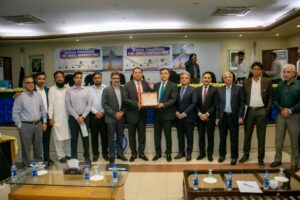
FPCCI President Atif Ikram Sheikh calls for measures to protect Pakistan's economy from global oil shocks.
The Federation of Pakistan Chambers of Commerce & Industry (FPCCI) has urged immediate steps to protect Pakistan’s economy from global oil price shocks.
FPCCI President Atif Ikram Sheikh expressed concern over rising volatility in international oil markets. He said the situation is putting growing pressure on Pakistan’s macroeconomic stability.
According to Sheikh, high domestic petroleum levies are adding to the pressure. He warned that rising energy and transport costs are hurting export competitiveness.
He also cautioned that higher costs could widen the trade deficit. The situation may also increase the risk of industrial closures.
Export Industries Face Rising Costs
Sheikh said high-speed diesel (HSD) and furnace oil costs are affecting businesses across the economy.
Higher fuel prices are increasing inland transportation costs. They are also raising supply chain and manufacturing expenses.
Electricity generation costs are facing additional pressure as well. As a result, major export sectors are losing competitiveness against regional rivals.
Dr Mirza Baig Attends Dinner Hosted in Honour of Sindh Governor
Sheikh said exporters are already operating on narrow profit margins. Higher freight and transportation costs are making it harder to secure international orders.
He called for a dedicated safety net for export-oriented industries. Such support, he said, could help prevent widespread de-industrialisation.
FPCCI Seeks PDL Relief
FPCCI has proposed a multi-pronged strategy to address the impact of external oil shocks.
The federation has called for an immediate suspension of the Petroleum Development Levy (PDL) on export-oriented manufacturing.
According to Sheikh, targeted relief would provide exporters with a financial buffer. It would also help protect Pakistan’s foreign exchange earnings.
He stressed that the full impact of rising global oil prices cannot be passed on to industries. Doing so, he warned, would place further pressure on businesses.
Push for Cheaper Energy
FPCCI has also called for a faster transition towards alternative and renewable energy sources.
The trade body urged the government to rationalise electricity and gas tariffs. Sheikh said Pakistan needs competitive energy costs to protect its industrial base.
He pointed to regional competitors such as Bangladesh, Vietnam and India. These countries, he said, have adopted measures to support industries during economic shocks.
Competitive energy tariffs are particularly important for Pakistan’s export sector. Lower costs could help local manufacturers compete more effectively in international markets.
Call for Lower Interest Rates
Sheikh also urged the central bank to reduce its policy rate.
He said high borrowing costs are adding to the financial pressure on businesses. Lower interest rates could provide more affordable working capital for industrial production.
The FPCCI president also highlighted concerns facing small and medium enterprises (SMEs).
SMEs play a major role in Pakistan’s export supply chain. However, smaller businesses have less financial capacity than large corporations.
Rising operational costs are therefore putting severe pressure on their liquidity.
Sheikh warned that a lack of targeted support could lead to factory closures. It could also result in reduced production shifts and rising unemployment.
He called for urgent policy measures to protect industrial activity. He said stronger support is needed to preserve exports, employment and Pakistan’s foreign exchange earnings.