Imperial Succession: Japan Approves Royal Family Reform but Keeps Male-Only Throne Rules
Japan’s parliament expands the imperial family through new succession reforms while maintaining the ban on female emperors despite strong public support.
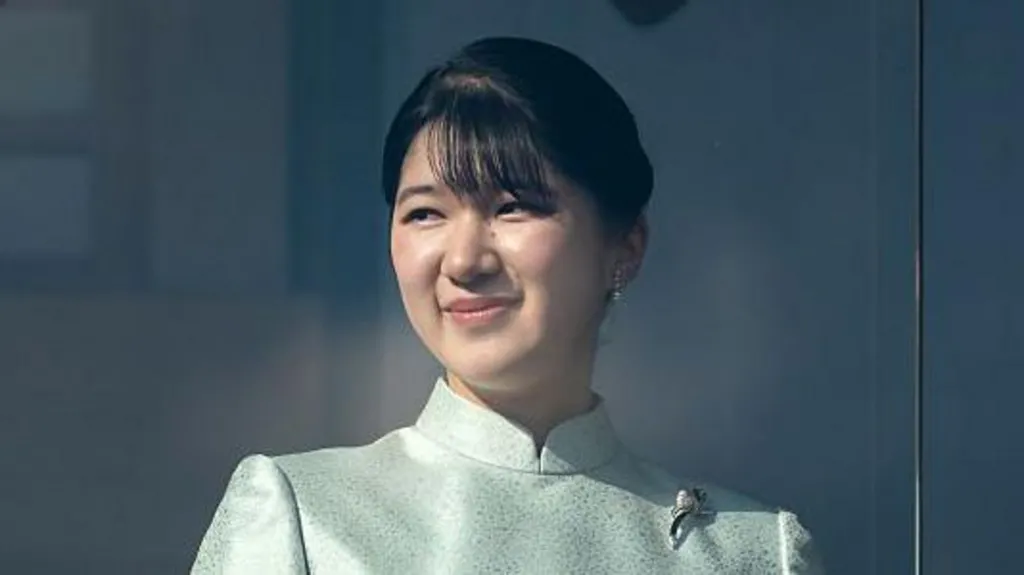
Japan's parliament approves reforms to expand the imperial family while retaining male-only succession.
TOKYO: Imperial succession in Japan entered a new chapter on Friday after parliament approved legislation designed to address the shrinking size of the imperial family, while leaving the country’s male-only succession rules unchanged.
The upper house passed the bill after it cleared the lower house last week. The legislation now moves through the final legal procedures before taking effect.
The reform allows the imperial family to adopt distant male relatives aged 15 or older from former imperial branches. It also permits female members of the royal family to retain their imperial status after marrying commoners.
However, the legislation does not amend the Imperial House Law, which restricts succession to male heirs. As a result, Princess Aiko, the only child of Emperor Naruhito, remains ineligible to inherit the Chrysanthemum Throne.
Rohingya Refugees: More Than 500 Asylum Seekers Feared Dead After Boats Vanish at Sea
Japan’s imperial family is widely regarded as the world’s oldest continuous hereditary monarchy, with a history spanning more than 2,600 years.
The current line of succession places Crown Prince Fumihito, the emperor’s younger brother, first in line to the throne. His son, Prince Hisahito, ranks second, while the emperor’s 90-year-old uncle is third and currently the last eligible successor under existing rules.
Without further legal reforms, the imperial line could eventually face a succession crisis if Prince Hisahito does not have a male heir.
Under the new legislation, male descendants from 11 former imperial branches that lost their royal status after the Second World War may return to the imperial family through adoption, helping expand the number of working royals.
The reform also allows female royals to remain members of the imperial household after marriage. Previously, women automatically lost their royal status upon marrying commoners, as happened when Princess Mako left the imperial family following her marriage in 2021.
Although these changes increase the number of family members available to perform official duties, children born to female royals who marry commoners will still remain outside the line of succession.
The legislation marks the first amendment to the main text of the Imperial House Law since 1949 and represents the most significant reform of Japan’s imperial system in decades.
The issue of female succession continues to divide political leaders. Prime Minister Sanae Takaichi and other conservative politicians support maintaining the male-only inheritance system, arguing that it preserves the historical legitimacy of the monarchy.
Public opinion, however, strongly favours reform. A Mainichi Shimbun survey conducted in June found that more than 70% of respondents supported allowing a woman to become emperor, while a separate Kyodo News poll reported support at 83%.
Despite widespread public backing, Japan’s latest reforms stop short of opening the imperial throne to women.