Broadcast Guidelines: European Athletics Introduces New Rules to Protect Female Athletes
New filming standards urge broadcasters to prioritise athletic performance and avoid camera angles or replays that could sexualise female competitors.
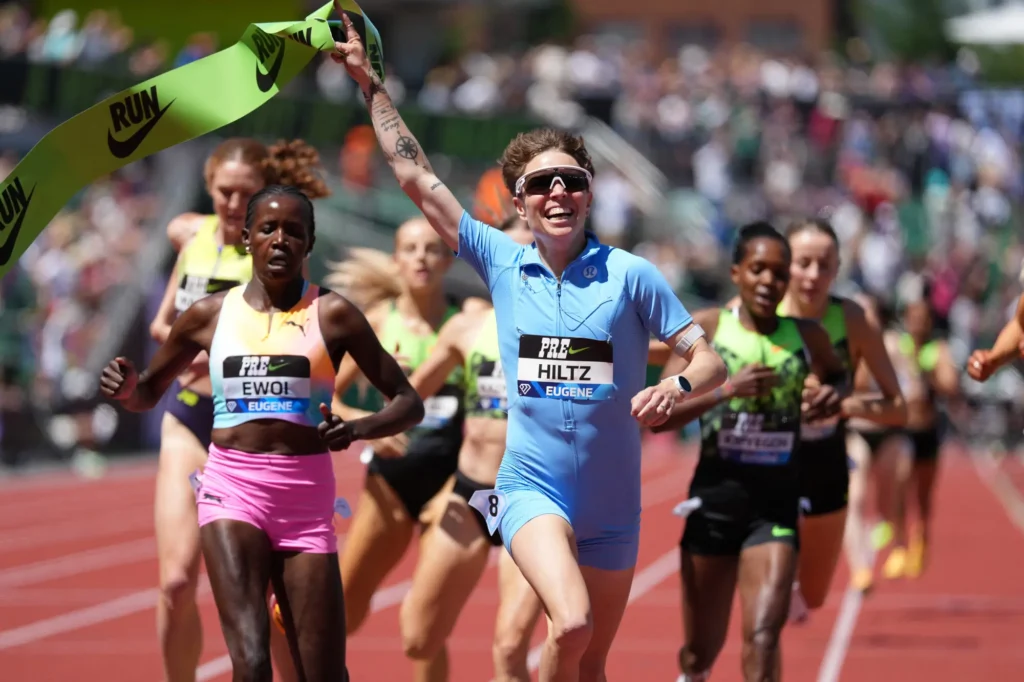
European Athletics introduces new broadcasting standards for respectful coverage of female athletes.
Broadcast Guidelines introduced by European Athletics and the European Broadcasting Union (EBU) aim to improve the portrayal of female athletes by ensuring television coverage focuses on sporting performance rather than appearance.
The organisations unveiled the new guidelines on Tuesday after athletes raised concerns that certain camera angles and replay techniques created discomfort and distracted audiences from their performances.
European Athletics President Dobromir Karamarinov described the initiative as an important step towards promoting respectful and responsible sports coverage.
“The development of filming guidelines is a crucial step toward eliminating harmful portrayals of women in our sport while maintaining the highest standards of storytelling and technical excellence,” Karamarinov said.
England Exit: Argentina’s Late Comeback Ends Three Lions’ World Cup Dream
Under the new recommendations, broadcasters should avoid prolonged close-up shots of specific body parts, low-angle camera views filmed from behind or beneath athletes, and slow-motion replays that do not add value to understanding the sporting action.
Instead, production teams should use wider camera angles that capture an athlete’s full movement and performance while reducing the risk of footage being taken out of context or shared inappropriately on social media.
The organisations also encouraged broadcasters to adopt modern production techniques that enhance viewers’ understanding of athletic events without compromising athletes’ dignity.
Former world long jump champion Ivana Spanovi? welcomed the move and urged broadcasters to use innovative camera technology, including aerial views and educational graphics, to highlight technique and athletic skill.
She said slow-motion footage should focus on key technical moments, such as take-offs, stride patterns and movement precision, allowing audiences to better appreciate the performance rather than the athlete’s appearance.
The new guidelines reflect growing efforts across international sport to create more respectful and athlete-centred broadcasting standards while maintaining high-quality television coverage.