Petroleum Prices: FPCCI Warns Rising Fuel Levies Hurt Industry and Exports
Business leader says higher petroleum taxes are increasing production costs, weakening export competitiveness and widening Pakistan’s trade deficit.
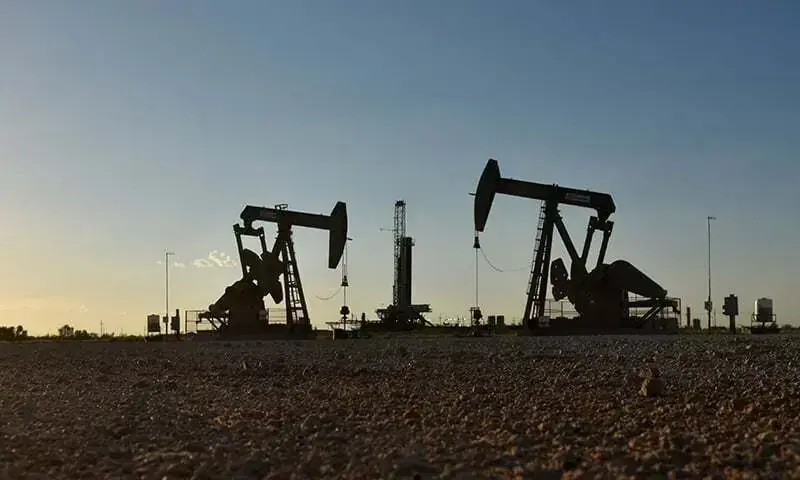
Fuel prices remain a key concern for Pakistan's industrial and business sectors.
Petroleum Prices and rising fuel levies are increasing production costs, disrupting industrial supply chains and reducing Pakistan’s export competitiveness, a representative of the Federation of Pakistan Chambers of Commerce and Industry (FPCCI) has warned.
In a statement issued on Saturday, FPCCI Executive Committee member Adeel Siddiqui criticised the government’s decision to increase the Petroleum Development Levy (PDL) despite a sharp decline in global crude oil prices.
Babar Azam: Named Pakistan Test Captain for West Indies and England Tours
Siddiqui said international oil prices had fallen to a four-month low after earlier surging during regional conflict, but consumers and industries had not received any meaningful relief. Instead, he said, the government had doubled the climate support levy on petrol and high-speed diesel from Rs2.50 to Rs5 per litre while maintaining a high Petroleum Development Levy under the International Monetary Fund (IMF) programme.
He argued that lower global oil prices should have translated into reduced fuel costs for businesses and households. Instead, he said, higher petroleum taxes were increasing operating expenses and placing additional pressure on Pakistan’s industrial sector.
According to Siddiqui, the continued rise in fuel-related levies has weakened industrial competitiveness, increased manufacturing costs and negatively affected export performance.
Referring to the latest trade figures released by the Pakistan Bureau of Statistics (PBS), he noted that exports fell to $2.24 billion in June, a decline of 16.7% compared with May and 9.6% from the same month last year.
At the same time, imports increased to $6.77 billion, rising 24.1% month-on-month and 26.3% year-on-year.
The widening gap pushed Pakistan’s monthly trade deficit to $4.53 billion, representing an increase of 63.8% over May and 57.1% compared with June 2025.
Siddiqui also highlighted that the country’s trade deficit for fiscal year 2025-26 reached $39.46 billion, up 22% from the previous fiscal year. During the same period, exports declined by 6% to $30.13 billion, while imports rose 8.1% to $69.59 billion.
He said the latest figures reflected mounting challenges for Pakistan’s productive sectors, citing high borrowing costs, expensive energy, heavy taxation and an increasingly uncompetitive business environment as major obstacles to export growth.
Siddiqui urged policymakers to introduce measures that reduce industrial costs and improve the business climate to strengthen Pakistan’s manufacturing sector and support export-led economic growth.