Petrol Prices: Pakistan Cuts Petrol, Diesel Rates by Rs1.97 Per Liter
Latest weekly fuel price reduction follows lower global oil prices and improved supply after the Middle East ceasefire.
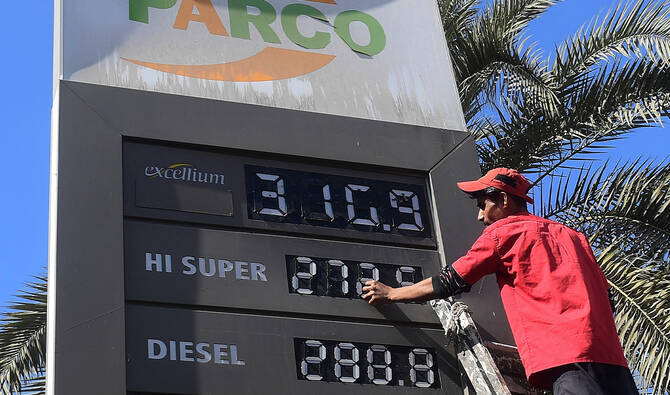
Fuel prices fall as Pakistan announces another weekly reduction in petrol and diesel rates.
Petrol Prices in Pakistan have fallen again after the federal government reduced the prices of petrol and high-speed diesel by Rs1.97 per liter for the coming week. The latest reduction took effect on Friday as global crude oil prices eased and fuel supplies improved following the Middle East ceasefire.
According to the Ministry of Energy’s Petroleum Division, the revised ex-depot prices apply from July 4, 2026.
After the latest adjustment, petrol now costs Rs297.53 per liter, down from Rs299.50. Meanwhile, high-speed diesel now sells for Rs309.50 per liter, compared with Rs311.47 previously.
Colombia: Arias Fires Colombia Into World Cup Last 16 With Win Over Ghana
The government introduced the price cut after international oil markets stabilized. Global crude prices declined as shipping through the Strait of Hormuz improved following the end of the regional conflict.
The Middle East conflict, which began in late February, disrupted a key global oil shipping route. Consequently, oil prices surged and increased fuel import costs for countries such as Pakistan.
In June, Pakistan announced major fuel price reductions. The government lowered petrol prices by Rs74 per liter and cut high-speed diesel prices by Rs67 per liter. Those reductions followed a sharp decline in global oil prices after the United States and Iran signed the Islamabad Memorandum of Understanding, ending months of conflict.
The Ministry of Energy said the government revised fuel prices in line with changes in international petroleum markets.
Last week, Energy Minister Ali Pervaiz Malik said the government would continue passing the benefit of lower global fuel prices to consumers. He also said authorities would avoid placing any additional financial burden on the public.
Throughout the regional conflict, the government absorbed part of the increase in energy costs through budget savings and spending cuts to protect consumers from higher fuel prices.