Khamenei Funeral: Iran Begins Dayslong Ceremonies Amid Regional Tensions
Iran prepares for mass funeral processions for Ayatollah Ali Khamenei as leaders project unity while tensions with Israel and the United States remain high.
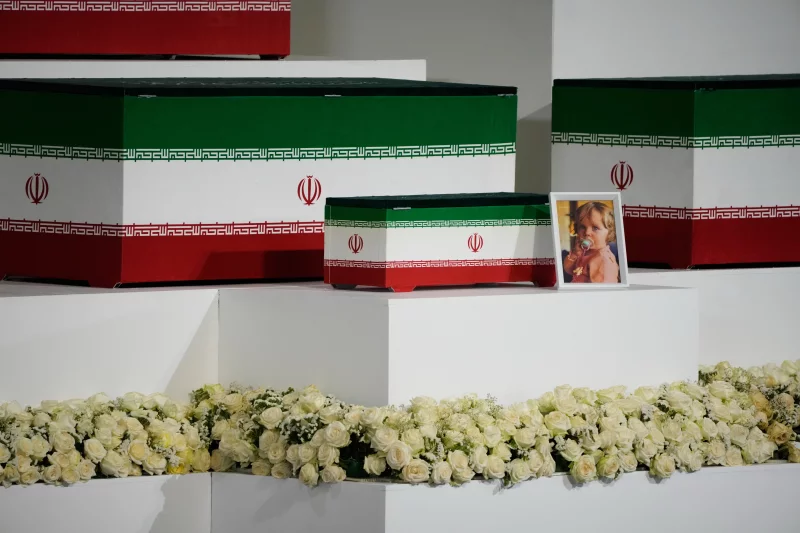
Mourners gather in Tehran ahead of Ayatollah Ali Khamenei's funeral ceremonies.
Khamenei Funeral ceremonies began in Iran on Friday as authorities prepared for days of public mourning following the death of Supreme Leader Ayatollah Ali Khamenei. Officials expect millions of people to gather in Tehran and other cities during the funeral processions.
The government displayed banners across the capital urging citizens to support the Islamic Republic after the recent conflict that claimed Khamenei’s life. Officials hope the large public turnout will demonstrate national unity during a period of heightened regional tensions.
The main funeral events will begin on Saturday. Authorities plan to close major roads, restrict airspace, and tighten security across Tehran. The ceremonies will continue in several cities across Iran and neighboring Iraq.
Khamenei’s flag-draped coffin was placed at Tehran’s Grand Mosalla, where government officials, religious leaders, and foreign dignitaries paid their respects. Family members who died in the same Israeli airstrike also received tributes during the ceremony.
Mount Rushmore: Trump Returns as Debate Over Fifth Presidential Face Resurfaces
Among those honored were Khamenei’s son-in-law, his eldest daughter, his 14-month-old granddaughter, and the wife of Iran’s new Supreme Leader, Ayatollah Mojtaba Khamenei.
President Masoud Pezeshkian, Parliament Speaker Mohammad Bagher Qalibaf, and Foreign Minister Abbas Araghchi attended the memorial service. Their presence highlighted the government’s efforts to project stability after the recent conflict.
Meanwhile, General Ahmad Vahidi appeared in public for the first time in months. The senior Revolutionary Guard commander attended funeral preparations and later addressed state television.
Vahidi said Iran would continue its current policies and rejected any suggestion that the country would surrender to foreign pressure. He also praised Khamenei’s leadership and described his death as a turning point for the Islamic Republic.
Security remains a major concern ahead of the funeral. Iranian military leaders warned Israel and the United States against taking any action during the mourning period. The warning followed repeated Israeli threats against Iran’s leadership.
Meanwhile, it remains unclear whether Supreme Leader Mojtaba Khamenei will appear publicly during his father’s funeral. Reports indicate he sustained injuries during the recent conflict and has kept a low public profile since assuming office.
Across Tehran, authorities displayed large banners carrying the slogan “We Must Rise” in Persian, Arabic, and English. Many also featured images of Khamenei with a raised fist, symbolizing resistance and national unity.
The funeral comes as Iran continues diplomatic efforts to negotiate a lasting end to the conflict while maintaining its strategic position in the region. Officials hope the ceremonies will reinforce domestic support during a period of political and military uncertainty.