AI Backlash: Opposition to Artificial Intelligence Grows Across the US
AI Backlash: Opposition to artificial intelligence is growing across the United States, with critics warning that the rapid expansion of AI could threaten jobs, mental health, energy resources and public trust in technology.
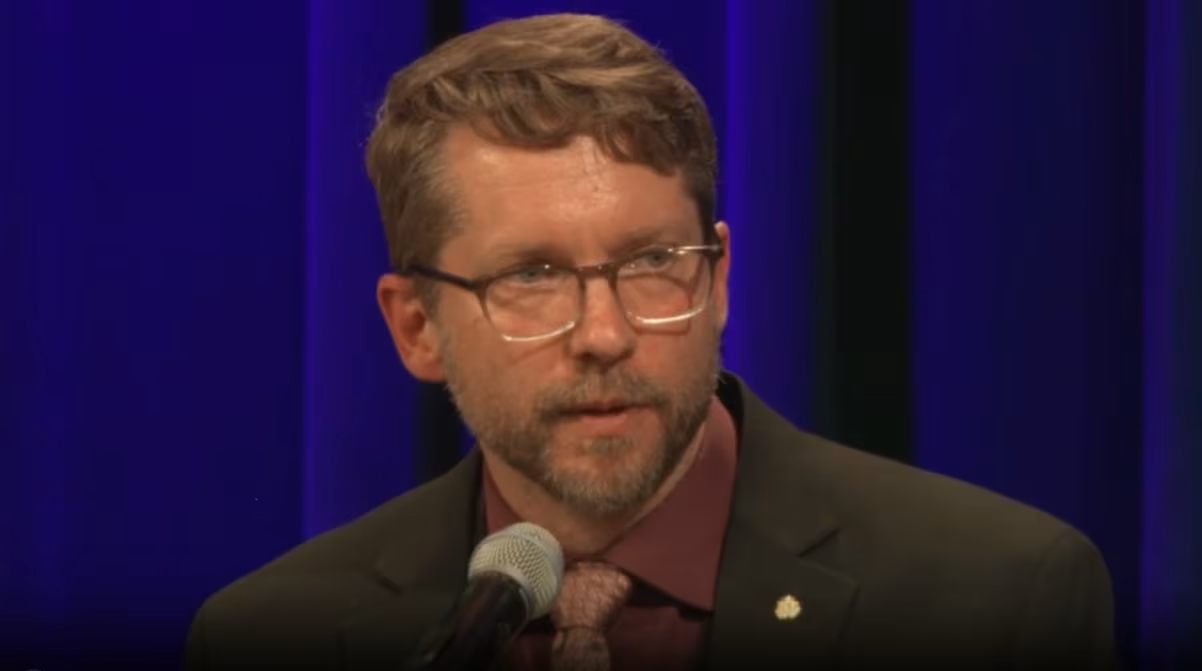
Joe Allen speaks about the risks of artificial intelligence during a public event in Dallas
AI Backlash: Opposition to artificial intelligence is growing across the United States, with critics warning that the rapid expansion of AI could threaten jobs, mental health, energy resources and public trust in technology.
One of the leading voices in the movement is Joe Allen, a writer and public speaker who has become known for his warnings about the risks of artificial intelligence. After the COVID-19 pandemic disrupted his career in the live events industry, Allen shifted his focus to writing and speaking about emerging technologies, eventually appearing on former White House strategist Steve Bannon’s “War Room” podcast.
Allen’s message has attracted growing audiences at churches, conferences and public events, reflecting wider concerns among Americans about AI’s impact on daily life.
AI Investment: South Korea Unveils $1 Trillion Plan to Expand Chip Manufacturing
A June survey by the Pew Research Center found that more Americans now believe artificial intelligence will have a negative rather than a positive effect on society. Concerns include the loss of jobs, rising electricity demand from AI data centres, environmental impacts and the influence of AI on young people.
Speaking at First Baptist Church in Dallas, Allen argued that artificial intelligence should remain a tool rather than becoming a replacement for human judgment or moral values.
He claimed that technology companies were encouraging excessive reliance on AI and warned against viewing the technology as an authority on what is “good” or “true.” Allen also expressed concern about the growing role of AI in education and children’s lives.
Steve Bannon said Allen’s message resonates with many working-class and middle-class Americans who fear that rapid technological change could threaten their livelihoods and communities.
The debate has also exposed divisions within supporters of US President Donald Trump. While the Trump administration has largely favoured limited regulation to maintain America’s competitive advantage in artificial intelligence, many conservative voters have called for stronger safeguards.
Some supporters have voiced concerns that AI development is advancing too quickly without sufficient oversight or research into its long-term effects.
Public concern extends beyond politics. Across the United States, communities have protested against new AI data centres over environmental and noise concerns, while families have filed lawsuits alleging harm linked to AI-powered chatbots.
Technology companies, however, maintain that artificial intelligence will improve productivity, create new employment opportunities and assist with everyday tasks such as software development, content creation and digital administration. Many firms also say they are investing in energy efficiency and introducing safety measures for AI systems.
According to recent polling, a bipartisan majority of Americans support government oversight of artificial intelligence. However, many remain sceptical about whether regulators can effectively manage the fast-evolving technology.
Allen said he believes opposition to AI now extends across political and ideological lines. He added that decisions made by policymakers over the coming years could shape both the future of artificial intelligence and its impact on society.