Lebanon Strikes: Israeli Air Strike Kills One Day After Peace Deal
Fresh violence in southern Lebanon raises doubts over efforts to secure a lasting ceasefire as Hezbollah rejects the US-backed agreement.
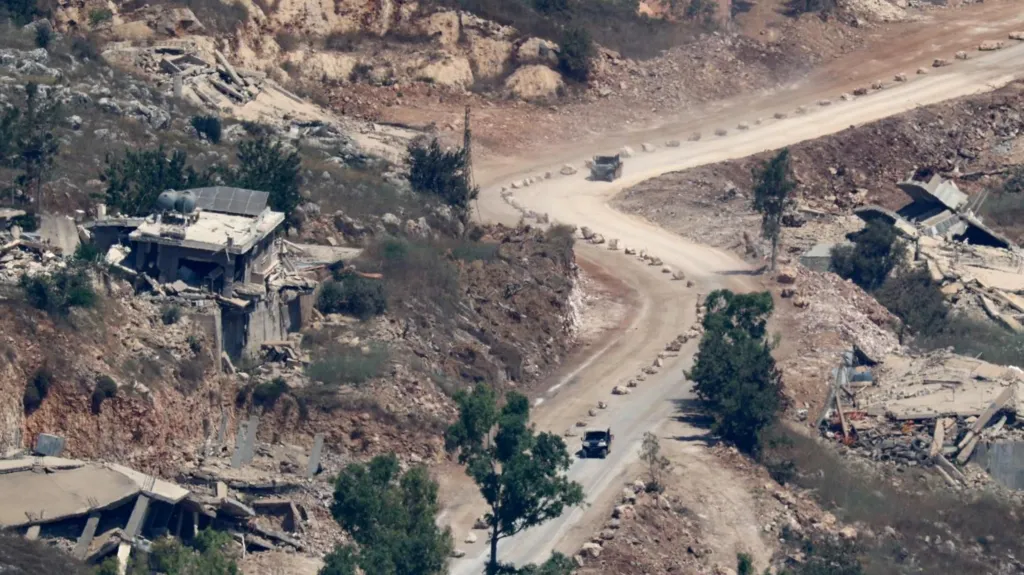
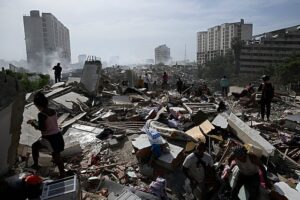
Smoke rises after Israeli air strikes in southern Lebanon.
Israeli air strikes in southern Lebanon killed at least one person and wounded others on Saturday, according to Lebanon’s health ministry, only a day after Israel and Lebanon signed a US-backed framework designed to move towards a lasting peace.
Lebanon’s state news agency reported that an Israeli drone targeted the town of Nabatieh al-Fawqa before additional strikes followed in nearby areas. Israeli officials said the operation targeted an individual they described as a threat to Israeli forces but did not release further details.
Gaza: UN inquiry accuses Israel of targeting Palestinian children in war crimes findings
The renewed violence came as political tensions intensified over Friday’s agreement, which was brokered by the United States. The deal aims to establish long-term security arrangements between both countries after months of conflict.
Under the four-point framework, Israeli forces would withdraw from the South Litani region while the Lebanese army assumes exclusive authority over the vacated areas. However, Israel would retain an expanded security zone in southern Lebanon.
Israeli Prime Minister Benjamin Netanyahu described the agreement as “historic” and said it represented a significant setback for Iran and Hezbollah.
Hezbollah, which did not participate in the negotiations, strongly rejected the agreement. Group leader Naim Qassem accused the Lebanese government of compromising national sovereignty and condemned the framework as unacceptable.
Speaking on Saturday, Qassem said the agreement amounted to a surrender of Lebanon’s interests and criticised conditions linking Israel’s withdrawal to Hezbollah’s disarmament. He warned that the arrangement could have long-term territorial consequences and insisted the group would continue armed resistance.
Israeli Defence Minister Israel Katz later announced that troops had been instructed to prepare for an extended deployment inside the designated security area reaching up to 10 kilometres into Lebanese territory.
The current conflict escalated on 2 March after Hezbollah launched missiles into Israel following an Israeli strike that killed Iran’s supreme leader. Israel responded with extensive air operations across Lebanon and later launched a ground offensive in the south.
According to Lebanese authorities, more than 4,190 people have been killed during the latest hostilities, over 11,600 injured and approximately 1.2 million displaced. Israel says 36 soldiers and four civilians have died during the fighting.
Previous ceasefire attempts, including a US-mediated agreement reached in April, failed to end the conflict. In June, both sides agreed to revive the fragile truce, with plans for pilot zones where Lebanese armed forces would maintain exclusive territorial control.