Pakistan Brokers US-Iran Ceasefire, Revives Legacy as Quiet Diplomatic Power
Pakistan Brokers US-Iran Ceasefire, Revives Legacy as Quiet Diplomatic Power
After nearly six weeks of conflict involving the United States, Israel, and Iran, Pakistan successfully brokered a two-week ceasefire, reinforcing its longstanding role as a discreet yet pivotal diplomatic intermediary.
Iran Warns “No Port Will Be Safe” as US Moves Ahead with Blockade Plan
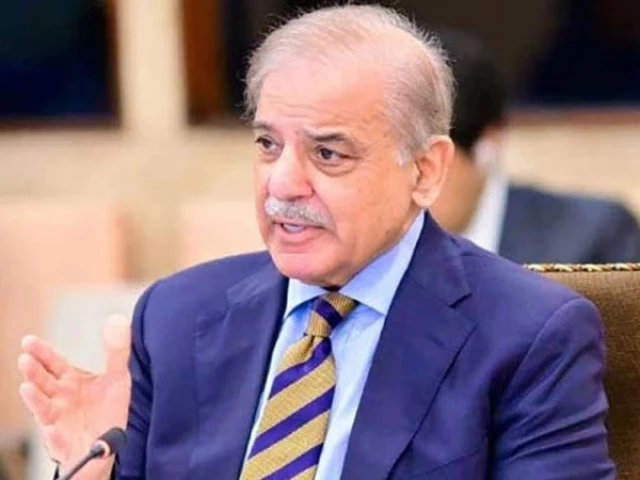
With less than two hours remaining before a deadline set by US President Donald Trump — who had warned of catastrophic consequences if the Strait of Hormuz was not reopened — Prime Minister Shehbaz Sharif announced that both sides had agreed to an immediate truce.
The development drew swift international praise, positioning Pakistan once again at the centre of a major geopolitical breakthrough. Analysts note that Islamabad’s approach — maintaining neutrality while quietly facilitating dialogue — reflects a well-established diplomatic tradition.
Historically, Pakistan has often acted as a bridge when global powers could not engage directly. A notable example dates back to 1971, when Islamabad played a key role in facilitating secret contacts between Washington and Beijing. Then US Secretary of State Henry Kissinger used Pakistan as a backchannel to China, paving the way for President Richard Nixon’s landmark 1972 visit and his meeting with Mao Zedong — a turning point that reshaped global geopolitics.
Pakistan again assumed a central diplomatic role during the Geneva Accords 1988, which facilitated the withdrawal of Soviet forces from Afghanistan. Acting as a key intermediary, Islamabad helped bring together rival Cold War powers, including the United States and the Soviet Union, as guarantors of the agreement.
Decades later, Pakistan contributed to the Doha Agreement 2020, helping facilitate negotiations between Washington and the Afghan Taliban. The agreement aimed to end America’s longest war and outlined the withdrawal of NATO forces from Afghanistan.
Diplomats such as Masood Khalid and Maleeha Lodhi have highlighted Islamabad’s consistent role in maintaining communication channels during complex conflicts, enabling breakthroughs when direct engagement proved difficult.
However, while Pakistan’s diplomatic contributions have been widely acknowledged, the long-term benefits remain debated. The aftermath of the Geneva Accords saw Pakistan host millions of Afghan refugees and grapple with the spread of arms and narcotics. Similarly, the Doha Agreement did not deliver lasting stability, with militant threats persisting along Pakistan’s western border.
Experts argue that while Pakistan has repeatedly demonstrated its ability to facilitate peace, the tangible strategic and economic dividends from such efforts have been limited.
The latest ceasefire between the US and Iran now adds another chapter to this legacy. Whether it results in lasting regional stability — or follows the pattern of short-term success with long-term challenges — remains to be seen.