Trump Warns of Military Option Ahead of US-Iran Talks in Islamabad
Web Desk April 10, 2026Donald Trump, President of the United States, has warned that military force could be used if upcoming negotiations with Iran fail, as a high-level American delegation heads to Islamabad for critical talks.
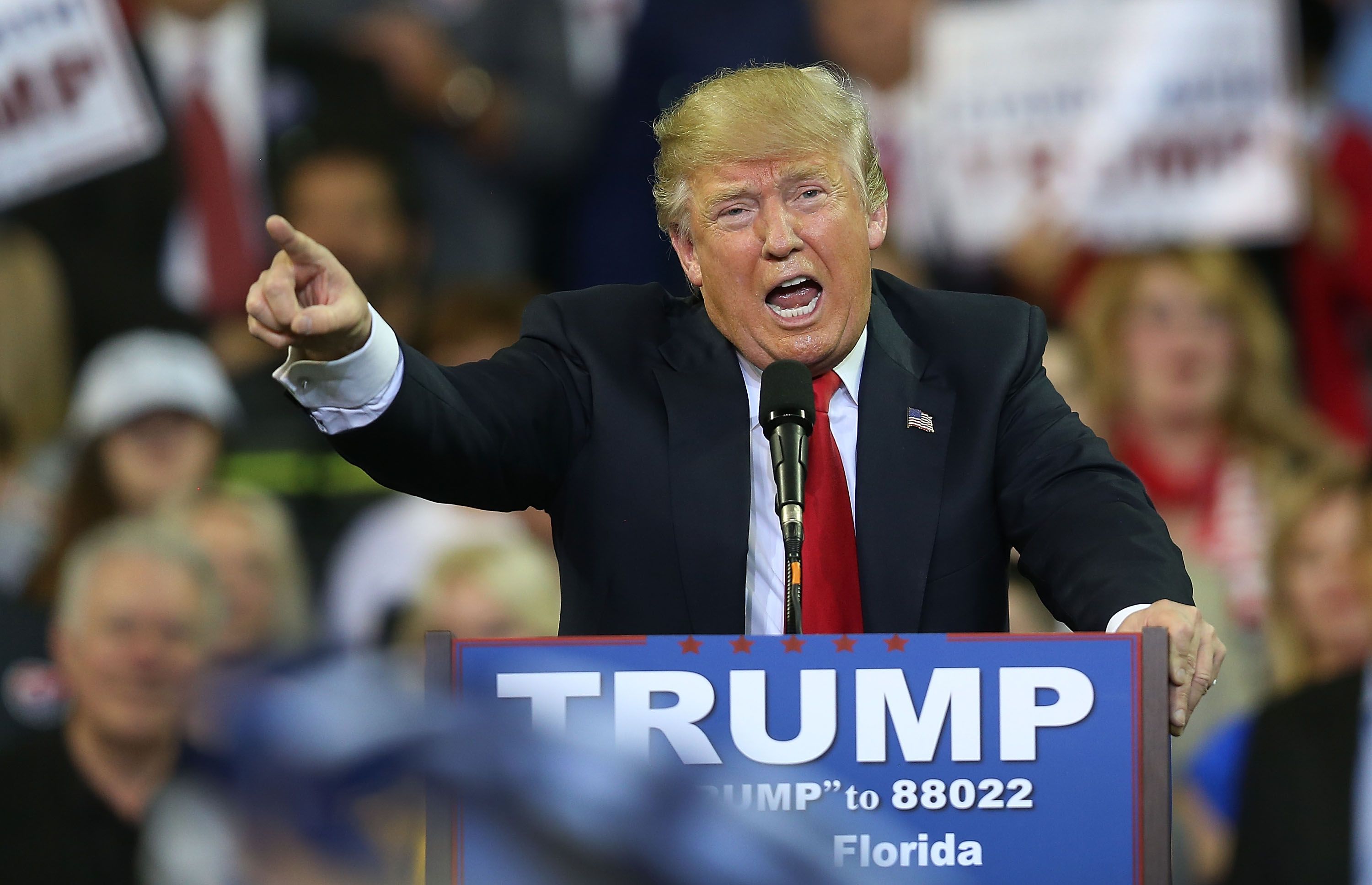
Donald Trump, President of the United States, has warned that military force could be used if upcoming negotiations with Iran fail, as a high-level American delegation heads to Islamabad for critical talks.
PSX Extends Gains as Investor Sentiment Boosted by US-Iran Peace Talks Optimism
Speaking in an interview, Trump said the US was preparing for all scenarios, revealing that warships were being equipped with the “best weapons ever made.” He cautioned that if no agreement is reached, Washington would not hesitate to use force. “We’re going to know soon,” he added, expressing uncertainty over the outcome of the negotiations scheduled within 24 hours.
The talks come after a devastating six-week conflict that has claimed thousands of lives and pushed the global economy toward recession. The dialogue in Islamabad is being closely watched as a potential turning point in stabilizing the region.
Earlier, US Vice President JD Vance struck a more conciliatory tone, saying Washington would approach the negotiations with “open hands” and hoped for a positive outcome.
On the Iranian side, Parliament Speaker Mohammad Bagher Ghalibaf emphasized that key preconditions must be met before formal negotiations begin, including a ceasefire in Lebanon and the release of Iran’s blocked financial assets.
Pakistan has emerged as a central mediator in the crisis, having played a key role—alongside Turkey, China, Saudi Arabia and Egypt—in securing a temporary two-week ceasefire between Washington and Tehran.
The American delegation is expected to be led by JD Vance, accompanied by senior envoys including Steve Witkoff and Jared Kushner. Iran’s delegation will likely be headed by Ghalibaf, along with Foreign Minister Abbas Araghchi.
Security in Islamabad has been tightened significantly ahead of the high-stakes talks, with key routes sealed and surveillance heightened to ensure the safety of visiting dignitaries. Officials say the negotiations will take place at a secure, undisclosed location.
The outcome of the Islamabad dialogue is expected to shape the future of the fragile ceasefire and determine whether diplomacy can prevail over escalating military tensions in the Middle East.