Meezan Bank Expands Digital Payments Network as Pakistan Moves Toward Cashless Economy
Meezan Bank is accelerating its digital payments strategy by expanding its merchant network and promoting instant payment solutions, as Pakistan’s transition toward a cashless economy gains momentum.
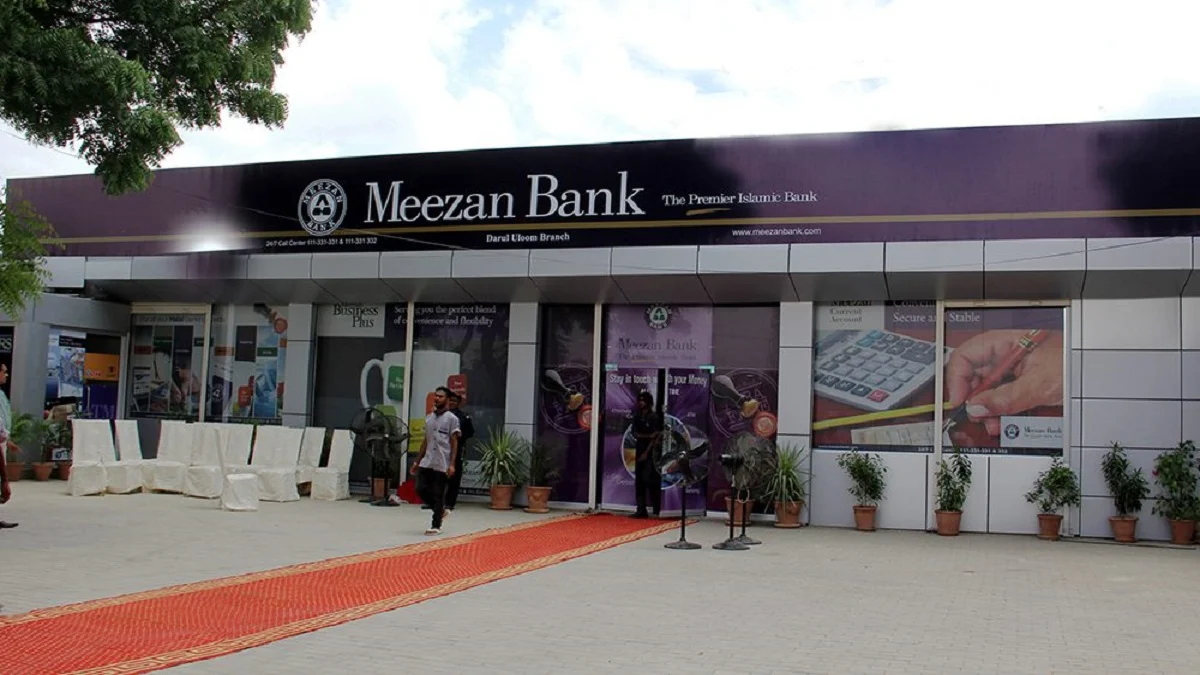
Meezan Bank is accelerating its digital payments strategy by expanding its merchant network and promoting instant payment solutions, as Pakistan’s transition toward a cashless economy gains momentum.
Karachi Rabies Control Initiative Unveils Strategy to Address Rising Dog Bite Crisis
The push comes amid a sharp rise in digital transactions nationwide. According to the State Bank of Pakistan, nearly 92% of retail transactions are now conducted through digital channels, signaling a significant shift away from cash-based payments.
Within this evolving landscape, Meezan Bank has emerged as a key player in merchant acquiring and digital payment enablement. The bank’s merchant base has surpassed 50,000, with average monthly transaction volumes reaching approximately Rs50 billion.
Ahmed Ali Siddiqui, Group Head of Consumer Finance and Digital Banking at Meezan Bank, said the transition to digital payments is both a technological and economic necessity.
“The digital transformation of Pakistan’s financial landscape presents an opportunity to enhance transparency, improve documentation, and support inclusive economic growth,” he said. “By enabling merchants to accept digital payments seamlessly, we are helping businesses transition from informal cash-based operations into the formal economy.”
Pakistan’s reliance on cash continues to pose structural challenges, including a low tax-to-GDP ratio of around 9–10% and limited access to formal financing for small and medium enterprises (SMEs), which contribute nearly 40% to GDP but receive less than 10% of bank credit.
Industry experts note that digital payments can address these issues by improving financial records, boosting tax collection, and reducing transaction inefficiencies. Cash handling alone is estimated to cost between 0.5% and 1.5% of GDP, while cash-on-delivery still dominates e-commerce transactions.
Meezan Bank is expanding its digital acquiring infrastructure through point-of-sale (POS) terminals, QR-based payments, and e-commerce solutions. It is also integrating with Raast to enable faster, secure, and low-cost transactions.
As part of its growth strategy, the bank aims to onboard more than 140,000 additional merchants and expand Raast acceptance across over 40,000 POS terminals. It has also introduced innovations such as instant QR code generation and soundbox devices for real-time transaction alerts, designed to enhance merchant confidence.
Market data shows strong momentum in Raast-based payments, with transaction volumes growing at an average monthly rate of around 40%, particularly among small retailers and micro-businesses.
Siddiqui emphasized that continued investment in infrastructure and innovation will be key to sustaining growth. “Our focus is on building a robust digital ecosystem that is accessible, secure, and aligned with Shariah principles,” he said.
Analysts believe that as banks expand digital capabilities and onboard more merchants, Pakistan is likely to see accelerated progress toward financial inclusion and economic formalization, especially among underserved segments.