Solar Investment at Risk as ‘Unit-for-Unit’ System Ends, Saquib Magoon Warns

KARACHI: The business community has raised alarm over the proposed Net Metering Regulations 2026, warning that sweeping changes to Pakistan’s solar power framework could impose billions of rupees in additional costs on electricity consumers and undermine investment in renewable energy.
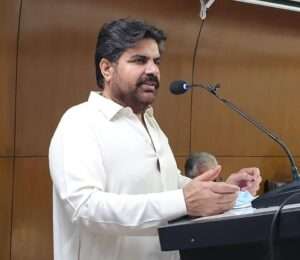
Saquib Fayyaz Magoon, Chairman of the Businessmen Panel Progressive (BMPP) and Senior Vice President of the Federation of Pakistan Chambers of Commerce and Industry (FPCCI), expressed serious reservations over the National Electric Power Regulatory Authority’s (Nepra) plan to abolish the existing “unit-for-unit” net metering system and replace it with a net billing regime.
Under the proposed rules, consumers will no longer be able to offset the electricity they supply to the national grid against the units they consume. Instead, excess electricity generated through rooftop solar systems will be purchased at approximately Rs11 per unit, while consumers will continue to buy electricity from the grid at rates of up to Rs50 per unit.
Mr. Magoon said the sharp disparity between buying and selling rates would significantly extend the payback period for solar investments and result in financial losses for households and businesses that have already installed solar systems.
“Previously, if a consumer supplied one unit of electricity to the grid, it was adjusted directly against one unit consumed. Now, the settlement will be on a monetary basis after 30 days, with a massive gap between purchase and sale prices,” he said.
He noted that thousands of households had invested their savings or taken bank loans to install solar systems in a bid to escape soaring electricity tariffs. “This policy shift will hit them the hardest,” he warned.
The commercial sector, he added, would face a double blow — paying high tariffs for grid electricity while selling surplus solar power at a fraction of the price. The resulting increase in operational costs would inevitably be passed on to consumers, fuelling further inflation in essential goods and services.
Mr. Magoon cautioned that the industrial sector, which has invested billions of rupees in solar energy to remain competitive in export markets, would also suffer. Higher energy costs would raise production expenses, erode export competitiveness and potentially inflict billions in losses on the national economy.
Although existing net metering consumers may receive temporary protection, he said the broader uncertainty surrounding the policy would damage investor confidence. He also expressed concern over Nepra’s proposed authority to revise purchase rates and conduct quarterly reviews, arguing that frequent changes would disrupt policy continuity and stall new investment in renewable energy.
Calling for an immediate withdrawal of the proposed regulations, Mr. Magoon urged the government to consult all stakeholders, particularly representatives of industry and trade, to formulate a balanced policy that protects consumers while promoting sustainable economic growth.