
KSE-100 Surges Past 137,000 in Record-Breaking Rally Driven by Strong Remittances and Investor Optimism
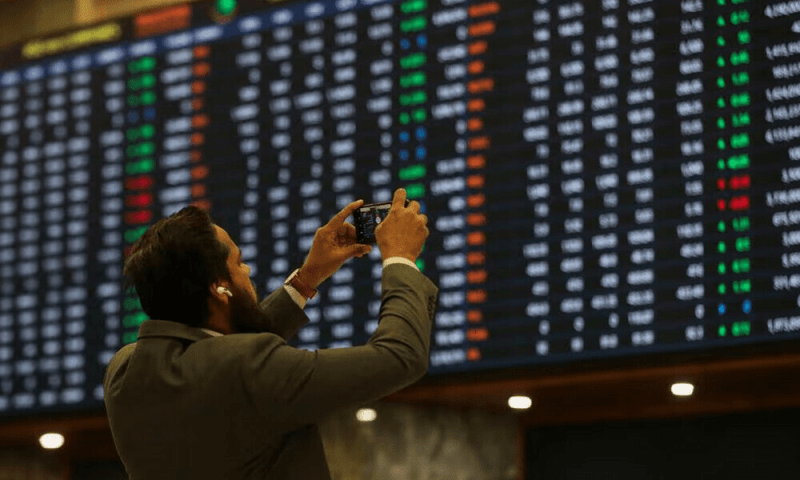
The Pakistan Stock Exchange (PSX) extended its remarkable upward momentum on Tuesday, as the benchmark KSE-100 Index surpassed the 137,000-point milestone amid robust investor sentiment, favorable economic indicators, and aggressive local fund buying.
During the session, the index reached a record intraday high of 137,727.63 points—up 1,225.1 points (0.89%)—before dipping slightly to a session low of 136,498.16. The ongoing rally has been fueled by several key factors, including a historic surge in workers’ remittances, rising auto sales, and a sharp increase in the country’s foreign exchange reserves.
Topline Securities CEO Mohammad Sohail attributed the rally largely to strong institutional buying, especially in the banking sector. “Banking stocks are leading the rally as investors expect high dividend payouts to continue,” he noted.
Economist AAH Soomro added that although some market consolidation is expected after the sharp rise, the bullish trend is underpinned by strong economic fundamentals. “Earnings season will now be the next focus,” he said.
A major driver of investor confidence has been Pakistan’s record-high remittances, which hit $38.3 billion in FY25, marking a 27% year-on-year growth. In June alone, remittances reached $3.4 billion—an 8% increase from the same month last year—boosting the country’s external financial position.
Meanwhile, the State Bank of Pakistan (SBP) reported that its foreign reserves rose by $1.8 billion week-on-week, reaching $14.5 billion as of July 4—the highest level in 39 months. With commercial banks included, total reserves have now exceeded $20 billion for the first time in three years.
Market analysts expect the rally to continue, supported by strong macroeconomic fundamentals, including rising reserves, high remittance inflows, and hopes for a more stable fiscal outlook. Investor attention is also turning to the upcoming corporate earnings season, the anticipated Panda bond issuance, and further developments in foreign financing and debt restructuring.
On the monetary policy front, Finance Minister Muhammad Aurangzeb recently suggested that there may be room for interest rate cuts, although the final decision rests with the SBP. The central bank had already reduced the policy rate by 100 basis points to 11% in May, after slashing rates by a cumulative 1,100 basis points from the peak of 22% since June last year.
Overall, improved liquidity, lower inflation expectations, and strengthening economic indicators continue to fuel optimism in the equity markets.