Sindh Government Firm on Ajrak Number Plates Amid Growing Backlash

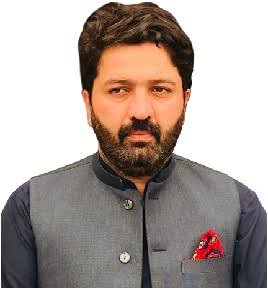
KARACHI, July 9, 2025 — Sindh Excise and Taxation Minister Mukesh Kumar Chawla has firmly stated that the provincial government’s decision to enforce security-featured Ajrak-themed number plates is final and will not be reversed under any circumstances.
Speaking to ARY News, Chawla emphasized that these high-security number plates have been in issuance since 2021, and are compulsory for all registered motorcycles and vehicles across the province.
Rejecting the criticism, the minister accused certain linguistic groups of politicizing the issue by linking the number plates solely to the Ajrak, a traditional Sindhi symbol. “Ajrak is a cultural heritage of Sindh — there’s no reason for it to offend anyone,” he remarked, adding that the plates also bear images of Mazar-e-Quaid and the Sindh government’s official seal.
Policy Sparks Public Frustration in Karachi
Despite the government’s firm stance, the implementation of Sindh-specific number plates has sparked widespread confusion, frustration, and delays — especially in Karachi, which has over 3.5 million registered motorcycles and 2.3 million cars.
The initiative, meant to curb vehicle theft and boost tax compliance, has faced operational challenges due to poor planning and lack of clear public guidelines. In the absence of proper communication, citizens are reportedly facing harassment by traffic police, with over 52,000 challans issued in just two months. Additionally, more than 12,000 vehicles and bikes have been seized for non-compliance.
Many applicants visiting the Civic Centre claim their applications are being rejected due to production delays. An Excise Department official admitted that while only 500 plates were previously ordered, over 5,000 requests came in just within the past 10 days.
Cost and Double Charges Raise Eyebrows
The new number plates cost Rs. 1,850 for bikes and Rs. 2,450 for cars, which has angered many vehicle owners who say they’ve already paid for registration and plates in the past. Critics argue that this move amounts to double-charging the public.
Political voices have also joined the chorus of opposition. Farooq Sattar of MQM-P and Munem Zafar Khan of Jamaat-e-Islami have both condemned the rollout, calling it “systematic extortion” and an added burden on citizens amid economic hardship.