


Karachi, Pakistan: On 24 -25, 2022, Ambassador at Large for Global Peace & Human Rights, Imam Allama Muhammad Ahsan Siddiqui, Chairman of the Interfaith Commission for Peace & Harmony (ICPH) took part in the 14th Doha Conference for Interfaith Dialogue themed Religions and Hate Speech: Between Scripture and Practice, which was attended by more than 300 scholars of monotheistic religions of Islam, Christianity and Judaism people from the 70 countries as well as participants from Qatar.
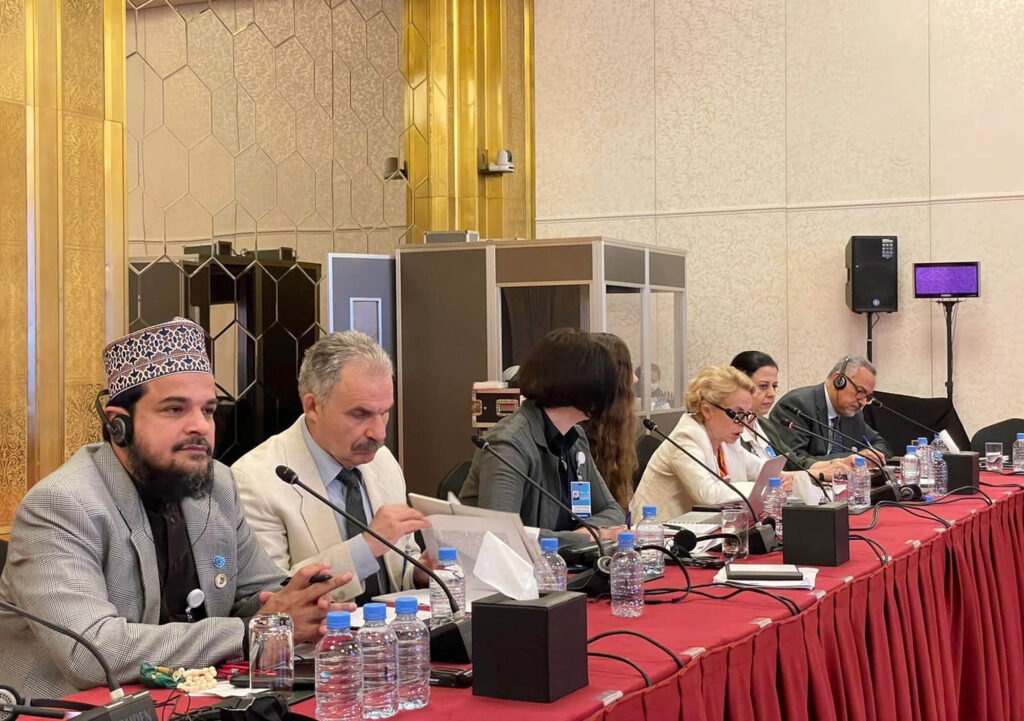
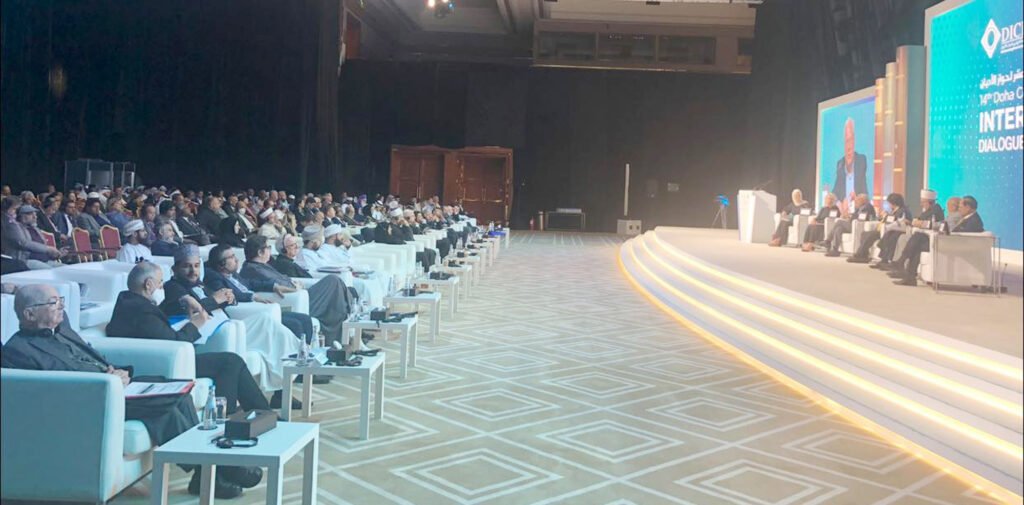
In an exclusive statement to the Qatar News Agency (QNA) on the sidelines of the Doha Conference on Interfaith Dialogue in Doha, Ambassador Imam Allama Muhammad Ahsan Siddiqui, said that all religions agree in the principles and values of love and peace speech, They affirm the origin of human beings, and rejects hatred, confronting hate speech is a serious matter, the destructive consequences of hate speech is a serious matter that cannot be dealt with international Laws or by quoting religious scriptures, malice and intolerance, noting the importance of proceeding from these religious principles and values to promote peace among human beings, it rather requires a united and serious effort by everyone including the religious leadership and civil institutions, to raise awareness and faith and transforming them into programs and strategies for religious, and transform to confront hate speech. That hate speech develops into biased attitudes that in the turn lead to discrimination in its various political, economic and religious forms, which ultimately leads to violence to confront this reality, which may develop into genocide, hate speech is very dangerous, with devastating consequences for humanity. The world is going through this critical and volatile period, Qatar is proving to be the pioneer and leader of the 21st century cultural alliances and that it puts such meetings and conferences at the forefront of its concerns i.e. world peace.
Ambassador at Large for Global Peace & Human Rights and ICPH Chairman Imam Allama Ahsan Siddiqui said that restoring humanity to its rightful path falls on the shoulders of Muslim scholars, Christian and Jewish scholars, the priest and rabbis, because they have a great influence on the call to tolerance and love and the rejection of racism and sectarianism. We confront all forms of hate speech; be it religious, philosophical, or legal, and to clarify its dangers on our societies, where we aspire that every person lives a free, safe, and dignified life regardless of their religion, sex, or color. He said such conferences hosted by Qatar provide an assurance that dialogue between religions, cultures and civilizations is an effective way to reject hate speech and focus on religious and moral values. There is a way. He stressed Religion is full of mercy, and that all prophets and religions called for peace between God and man, and between man and his fellow man. ICPH recommends intellectual confrontation of intolerance, extremism, terrorism and disdain for religions. The need to create effective international mechanisms to ensure the freedom of belief and practicing religious rites. They highlight the need to respect religious sanctities, and symbols, as well as the customs and traditions of all peoples.
Doha declaration urged that the heavenly religions call in their origins and legislations for love and peace, and reject all forms of hate speech, extremism, racism and discrimination based on religion, gender or race. Declaration indicated that confronting extremist ideology and hate speech is a humanitarian goal, and all efforts must be combined to counter this resulting extremist discourse at the level of individuals, institutions, and religious, intellectual and political leaders; by creating a peaceful and loving human and religious spirit, to build a peaceful civilized world. Doha declaration call states sponsoring religious or ethnic minorities or refugees to take serious measures to raise awareness of their rights in the educational curricula and media. Religious leaders shall carry out their responsibilities in such awareness according to the divine religions values in accordance with the love, Peace and human coexistence. The State of Qatar believes in dialogue and tolerance. We came together to Doha to dialogue, and we must take this as an opportunity to solidify love and brotherhood amongst our followers, in addition to supporting the noble principles and values that Qatar is calling for, such as social cohesion, and, interstate and a worldwide peace. The Doha interfaith conferees strongly condemned all forms and types of hate speech, and repudiating the practices of extremist groups that attribute themselves to religion amidst a lack of its essence and what it calls for.
During the conference, the Chairman of the Interfaith Commission for Peace & Harmony, called for promoting the goals and objectives of the ICPH of Interfaith Commission for Peace & Harmony, met with the Deputy Minister of Education of the State of Qatar and Chairman of the Doha International Center for inter religious dialogue Dr. Ibrahim Saleh Al-Naimi and informed him about the Doha International Center for Interfaith Dialogue (DICID) work for organizing and noted the need for interfaith cooperation between the countries. Both sides discussed prospects for mutually beneficial cooperation in the development of inter religious dialogue, cooperation with the Doha International Center for Interreligious Dialogue. The ICPH has become a significant contribution of Pakistan to the global process of interreligious and interfaith dialogue and has taken a special place in the efforts of the world community to strengthen the principles of harmony and tolerance, mutual understanding and cooperation both within the country and in the international arena.
Congratulations to HE the Prime Minister and Minister of Interior Sheikh Khalid bin Khalifa bin Abdulaziz al-Thani, HE State Minister for Foreign Affairs Sultan bin Saad Al Muraikhi, DICID Chairman, HE Dr. Ibrahim Al Naimi for organizing an important interfaith conference in Doha, Qatar on Religions and Hate Speech: Between Scripture and Practice.