

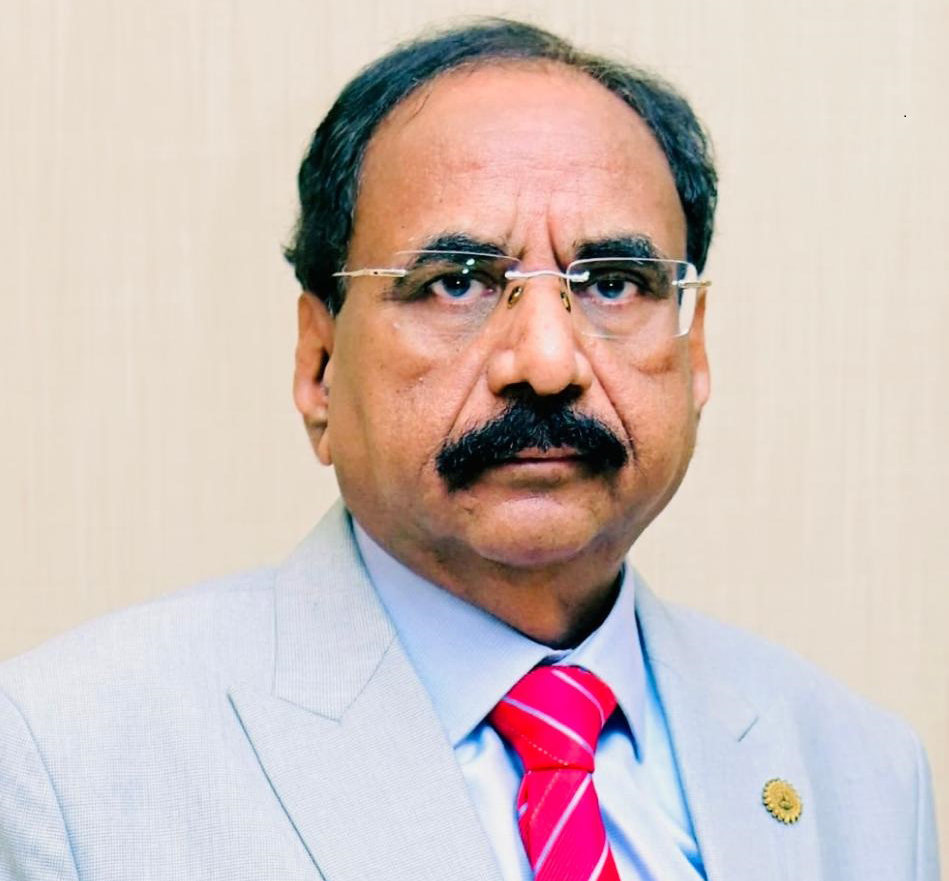
Karachi: President of the Korangi Association of Trade and Industry (KATI), Muhammad Ikram Rajput,
has expressed serious reservations over the State Bank of Pakistan’s Monetary Policy Committee (MPC)
decision to reduce the policy rate by just 0.5 percentage points to 10.5 per cent, terming it contrary to
the longstanding demands of the business community.
Rajput said the cut was far below expectations and insufficient to accelerate economic growth. He
stressed that bringing the policy rate into single digits was essential to revive industrial activity and put
the economy back on a sustainable growth path. He noted that the MPC had earlier kept the policy rate
unchanged at 11 per cent for seven months since May 2025.
KATI President said the modest reduction was completely at odds with industrial expectations and
would fail to provide any meaningful relief to industries already burdened by high production costs.
Given the significant decline in inflation, he argued, a reduction of at least 200 to 300 basis points was
warranted.
Rajput said industrialists had strongly urged that the policy rate be immediately brought to single digits
to stimulate economic activity. He added that even at 10.5 per cent, Pakistan’s interest rate remained
significantly higher than those in other regional countries, particularly its business competitors, severely
undermining export competitiveness.
He pointed out that high interest rates had made bank borrowing prohibitively expensive, discouraging
investment in new industrial units as well as the expansion of existing ones. Costly financing, he said,
directly increases production costs, making Pakistani products more expensive in domestic and
international markets and eroding their competitiveness.
KATI President further stated that elevated interest rates had made access to finance nearly impossible
for small and medium-sized enterprises, which form the backbone of the national economy and
employment generation. As a result of rising investment costs and production expenses, he warned, the
export sector was under severe pressure, negatively impacting the country’s foreign exchange reserves.
Rajput cautioned that insufficient reduction in the policy rate would keep business activity sluggish,
making it difficult to achieve economic growth targets. He urged the government and the State Bank to
acknowledge ground realities and take bold and extraordinary steps by further slashing interest rates to
steer the country out of economic crisis, promote industrial growth, and create
employment opportunities.


ADVERTISEMENT