


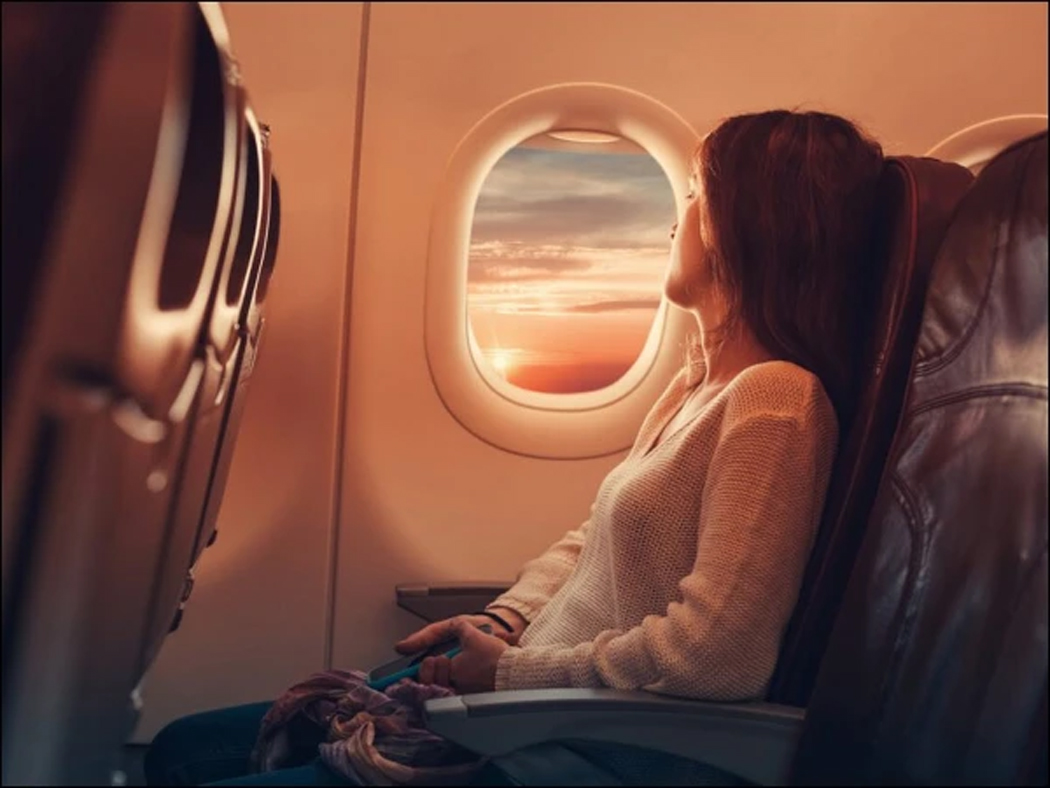
Many passengers find it strange during air travel why flight attendants repeatedly request that the plane’s window shades be raised before landing. Bright light can sometimes be uncomfortable for the eyes, but according to experts, this guideline is not for convenience but is an important safety measure to save the lives of passengers. According to the report, shortly before landing on commercial flights, the crew warns passengers to open the window curtains next to their seats. On the surface, this seems like a trivial matter, But in fact, this measure is part of the standard safety procedures of airlines around the world, especially when the plane is going through its most dangerous phase – takeoff or landing. Experts say that if the window shades are open, it becomes possible to immediately recognize an emergency situation. If smoke, fire or sparks appear in any part of the plane, not only the cabin crew but also the passengers can see the scene, which can help them decide which route is safest to exit the plane without wasting valuable time. Similarly, a bright cabin helps keep passengers mentally alert. People tend to become drowsy or inattentive in dark environments, while it is important to remain alert during critical phases such as landing. Having the window shades up also makes it easier for flight attendants to survey the cabin and see the reactions of passengers. Eye preparation is also a major reason for this advice. If you have to evacuate suddenly in broad daylight, it may take time for your eyes to adjust to the bright light with the curtains closed, which could prove dangerous.Similarly, seeing the outside scene at night allows the eyes to adapt to the environment in advance, making it possible to exit quickly and with less confusion in emergency situations. Keeping the window shades open also provides a quick indication of which exit doors on the plane can be used. If there is fire, smoke or obstructions on one side, the crew can immediately decide to evacuate passengers from the other safe side, while passengers also follow instructions with more confidence when they see the situation outside. Experts also point out that this procedure is not limited to any one country or company, but is adopted worldwide under international aviation rules. Global organizations consider it an essential part of the overall safety system so that no matter which region you travel to, passengers and crew can be protected according to the same principles and training.


ADVERTISEMENT