

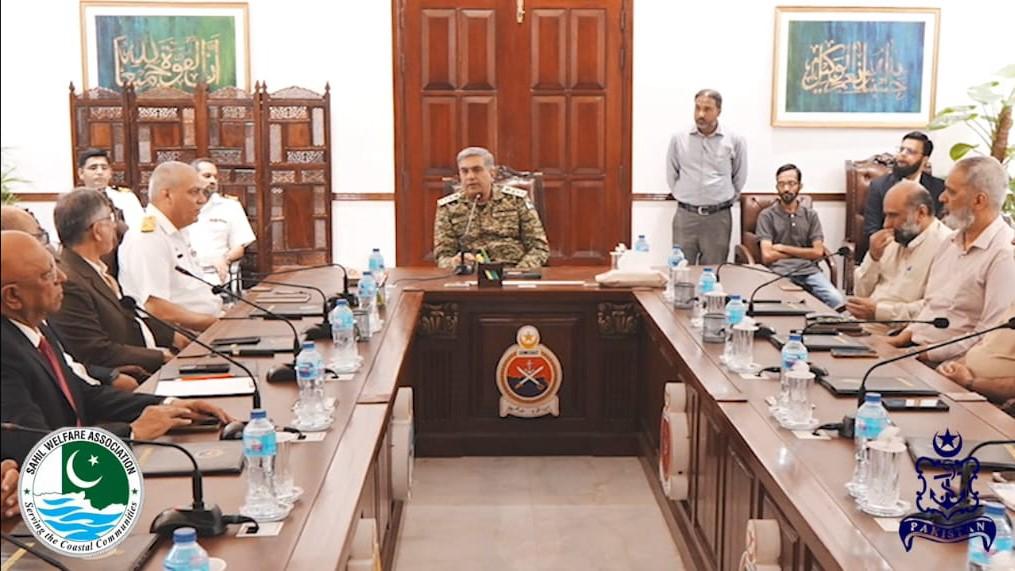
Pakistan Navy and Sahil Welfare Association (SWA) jointly hosted a Donor-NGO Conference, uniting some of the country’s most prominent humanitarian organizations under one roof.
The event was chaired by the Commander Coast (COMCOAST) Pakistan Navy, Rear Admiral Faisal Amin HI (M), and SWA Chairman Dr. Danish Aman, marked a pivotal step toward building a collaborative framework for long-term humanitarian support in flood-hit regions.
The conference brought together a broad and diverse group of over 30 NGOs and welfare organizations, including renowned names like Edhi Foundation, Chhipa Welfare Association, Saylani Welfare Trust, Alkhidmat Foundation, Al Mustafa Society, NOWPDP, JDC, LRBT, Muslim Hands, and Akhuwat, among many others.
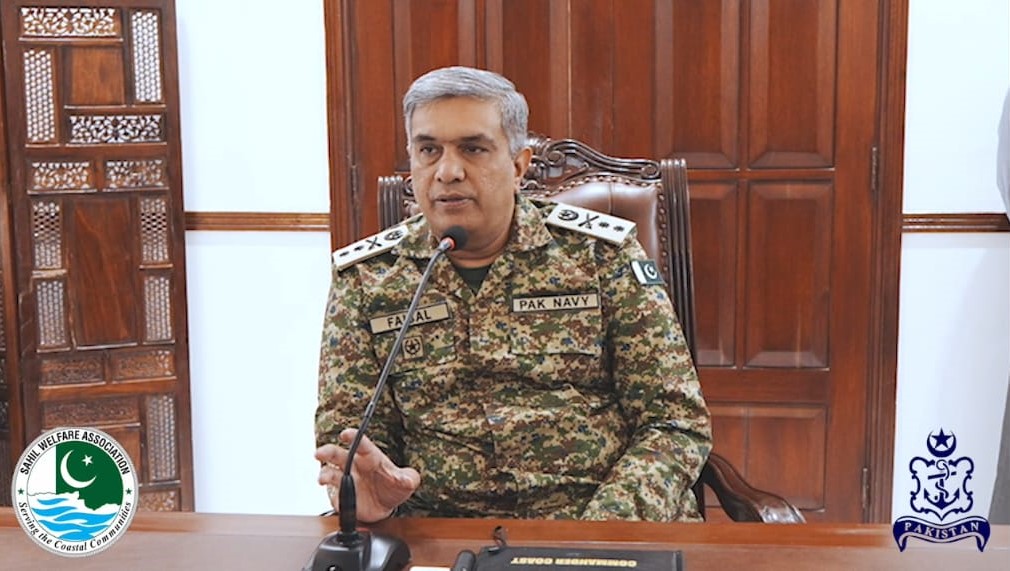
Also in attendance were representatives from major trade associations and influential members of the business community, all united by a shared commitment to aiding those affected by devastating floods in recent years. Organizers emphasized that the goal of the conference was not only to review existing relief efforts but to establish a unified and sustainable action plan going forward. “This is more than just coordination — it’s the beginning of a new era of partnership,” said Rear Admiral Faisal Amin in his opening remarks.
“Through this platform, we aim to ensure that aid reaches every deserving corner of the country, efficiently and transparently.” Dr. Danish Aman echoed the sentiment, stating that the Sahil Welfare Association was proud to facilitate this historic collaboration.
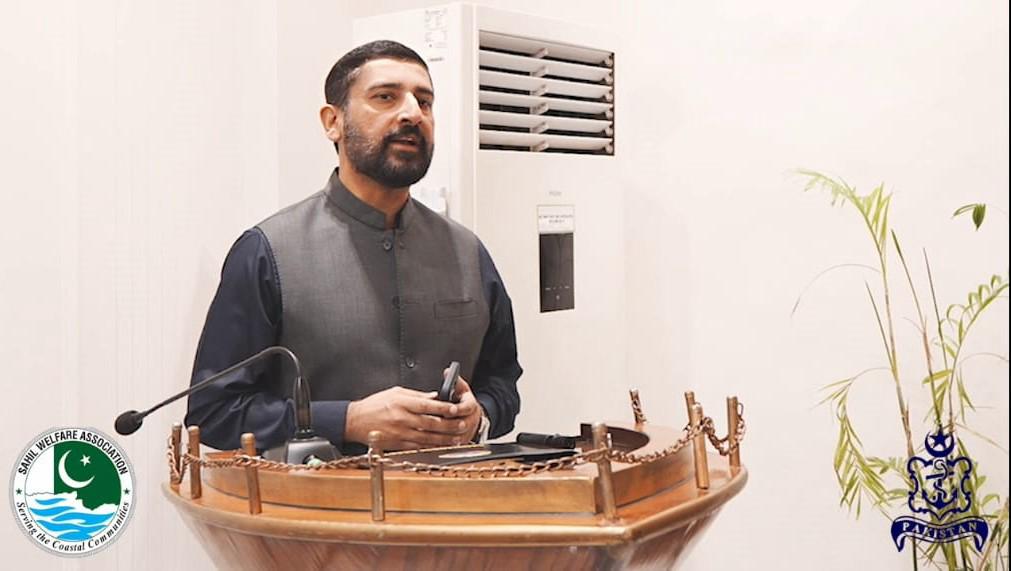
“No single organization can overcome the scale of the humanitarian crisis we face,” he said. “Only through collective effort can we bring meaningful and lasting change to the lives of those affected.” The conference laid out four key areas for immediate and long-term collaboration: distribution of cooked meals to displaced families, supply of ration packs to underserved regions, organization of medical camps to address critical health concerns, and the design and implementation of rehabilitation programs to help communities rebuild. Several NGO representatives presented brief overviews of their existing operations and pledged support for a unified strategy moving forward.
There was strong consensus around the need for data sharing, joint monitoring, and transparent reporting to maximize efficiency and avoid duplication of efforts.
The initiative also garnered appreciation from business leaders, who pledged financial and logistical support. Many noted that the involvement of the Pakistan Navy brings credibility, discipline, and strategic oversight to the relief mission — elements often lacking in fragmented or isolated operations. With the monsoon season continuing to threaten vulnerable regions, the timing of the conference underscores its urgency. The collective commitment shown by all participants offers hope for a more organized and impactful humanitarian response. As Pakistan continues to grapple with the long-term consequences of climate-induced disasters, the Donor-NGO Conference stands out as a timely and vital milestone — a testament to the power of unity, compassion, and shared responsibility.
Advertisements