

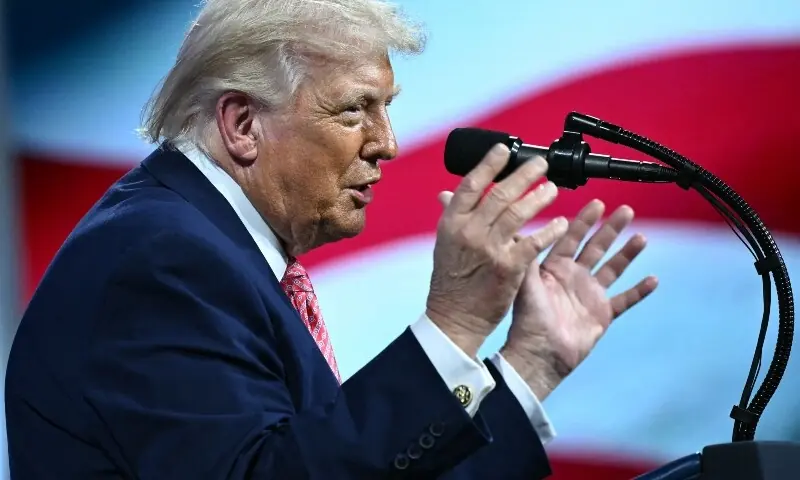
US President Donald Trump is confronting mounting political and strategic pressure after a month-long war with Iran, as rising global energy prices and declining approval ratings complicate his next move.
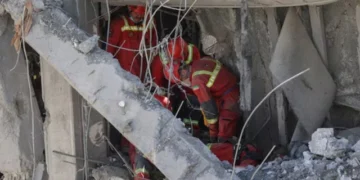
Six Injured in Abu Dhabi Fires After Missile Interception Debris Falls Near KEZAD
Despite intensified diplomatic efforts, the conflict involving the United States and Israel has continued to expand, with Iran maintaining pressure on regional shipping and launching missile and drone attacks across the Middle East.
Analysts say Trump now faces a critical decision: pursue a negotiated settlement that may fall short of US objectives or escalate militarily at the risk of a prolonged and politically costly conflict.
The crisis has been exacerbated by Iran’s effective restriction of the Strait of Hormuz, a key global oil route, triggering what experts describe as one of the most severe energy supply shocks in history.
While Trump has privately expressed a desire to avoid a “forever war” and push for a quick diplomatic exit, his administration has simultaneously increased military deployments in the region and warned Tehran of further escalation if it refuses to comply with US demands.
A 15-point peace proposal sent to Iran through backchannel diplomacy has yet to yield progress, with Tehran reportedly viewing the terms as unrealistic. Analysts note that Iran may be willing to prolong the conflict, betting it can withstand pressure longer than its adversaries.
Meanwhile, the White House has explored multiple scenarios, including a final large-scale air campaign or limited strategic operations targeting key Iranian assets. However, any escalation — particularly involving ground troops — risks drawing the US into a deeper conflict reminiscent of past wars in Iraq and Afghanistan.
Domestically, the war is weighing heavily on Trump’s political standing. His approval rating has dropped significantly, with concerns growing among Republican lawmakers ahead of upcoming midterm elections.
The administration has also sought to calm financial markets by signalling a limited timeline for the conflict and temporarily pausing threats against Iran’s energy infrastructure to allow space for diplomacy.
However, the lack of a clear exit strategy continues to raise concerns among analysts and allies alike. Gulf partners have warned against deploying US ground forces, fearing it could trigger further retaliation from Iran and destabilise the region further.
Observers say Trump’s mixed messaging — alternating between calls for diplomacy and threats of escalation — reflects an effort to maintain leverage while keeping adversaries uncertain.
As the conflict continues, the outcome remains uncertain, with both military and diplomatic paths carrying significant risks for the region and for Trump’s presidency.