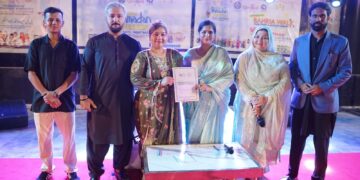


Balochistan : The Trade Development Authority of Pakistan (TDAP) recently organized a seminar to explore the export potential of Balochistan’s local handicrafts at the Doch Railway Cooperative Society. The event brought together artisans, entrepreneurs, and experts to discuss strategies for promoting Balochi handicrafts on an international scale.
The seminar featured two insightful sessions. The first session focused on the vital role of women entrepreneurs in the handicraft industry, sharing success stories and discussing empowerment strategies. The second session delved into approaches for entering online markets to reach international buyers, providing participants with valuable knowledge on digital marketing and e-commerce platforms.
Mr. Zain ul Abideen, a renowned expert in online earning and digital marketplaces, delivered the keynote address. Drawing from his extensive experience in organizing workshops on earning online through platforms like Amazon and eBay, he highlighted the immense potential of Balochi handicrafts to become a significant source of foreign exchange earnings. He emphasized the importance of creating a strong digital presence and leveraging social media to attract international buyers. His presentation included case studies of successful artisans who have tapped into global markets.
The seminar also featured Mrs. Deedar Mengal, a prominent business woman in the handicraft sector, who delivered the welcome speech. Her insights set a strong foundation for the day’s discussions. Mr. Noor Ali Achakzai, Director from TDAP Quetta region, concluded the seminar with remarks on TDAP’s continued support for promoting local handicrafts and enhancing their export potential.
Benefits for the general public included increased understanding of export opportunities and online market strategies, while also empowering and motivating women artisans. TDAP gained enhanced engagement with the handicraft sector and potential for future collaborations. The government sector saw the promotion of Balochistan’s cultural heritage and potential for increased foreign exchange earnings.
Digital training programs will be conducted regularly to help artisans with digital marketing, online sales platforms, and international market trends. Collaborations with major e-commerce platforms will be established to create dedicated sections for Balochi handicrafts, enhancing visibility and sales. Government policies providing incentives and support for artisans to export their products will be advocated. Quality control measures will be implemented to ensure that handicrafts meet international standards, thus increasing their marketability. Global marketing campaigns will be launched to promote Balochistan’s handicrafts, highlighting their cultural significance and unique craftsmanship. Export facilitation centers will be set up to assist artisans with the logistics and documentation required for exporting their products.
The seminar effectively highlighted the export potential of Balochistan’s handicrafts, provided valuable knowledge to participants, and set a positive tone for future growth in this sector. With the proposed way forward, the handicraft industry in Balochistan is poised for significant development and international recognition.