TCL Mini LED Leadership From Market Scale to Category Evolution
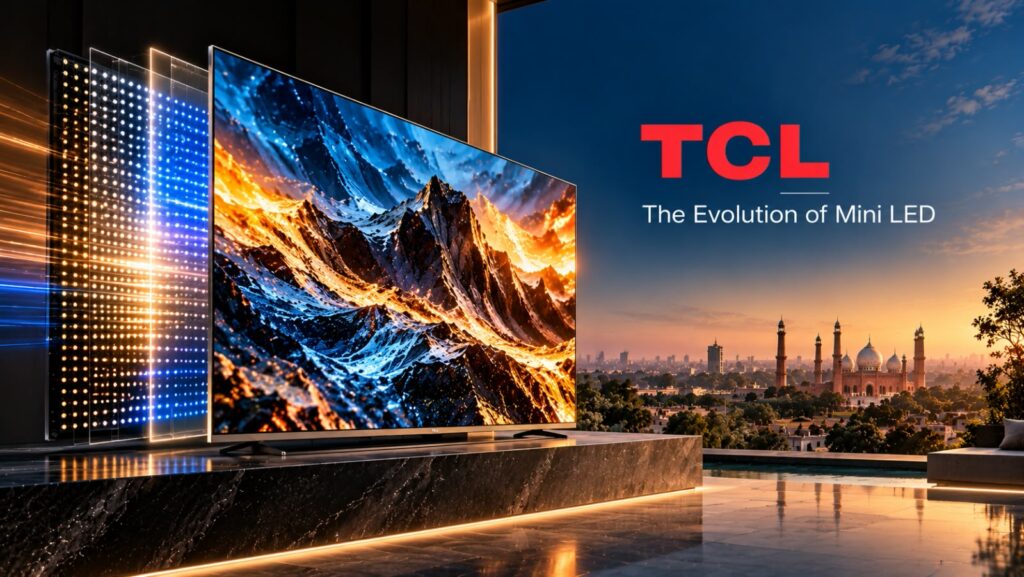
TCL Mini LED technology gains momentum as shipment growth and backlight engineering shape the television market.
TCL is strengthening its position in the global Mini LED television market as the technology gains wider adoption. The company’s growing shipment volumes highlight its market reach, while advances in backlight engineering and consumer education are becoming increasingly important to the category’s development.
According to Omdia data cited in TCL Electronics’ interim results, TCL ranked first globally in Mini LED TV shipment volume during the first half of 2026. The company reported shipments of 2.43 million units, representing year-on-year growth of 77.1%.
TCL also reported a 31.1% share of global Mini LED TV shipments in 2025, based on Omdia data. Its shipment volume increased by 118% that year.
These figures highlight TCL’s market position. However, as Mini LED expands beyond the premium television segment, category leadership increasingly depends on how manufacturers develop the technology and communicate its benefits to consumers.
Market Scale Is Only the Starting Point
Shipment volume provides a useful measure of consumer adoption and commercial reach. It shows how widely a technology has entered the market and whether manufacturers can deliver it at scale.
Pakistan Beat India by Eight Wickets in IMC Over-40 Cricket World Cup
However, shipment figures alone cannot explain the quality of the viewing experience. The implementation of the technology also matters, particularly the way a television manages light, contrast and brightness.
For Mini LED, these factors depend on the engineering behind the backlight system.
Mini LED technology uses smaller LEDs to create a denser backlight. This arrangement can support more precise light management, but the results depend on how the system is designed and controlled.
Hardware local dimming allows different areas of the backlight to operate independently. Meanwhile, the number and precision of dimming zones influence how finely the television can control light across the screen.
Full Array Local Dimming places controllable backlight zones behind the panel. This architecture provides the foundation for managing brightness across different parts of an image.
Why Backlight Engineering Matters
These technical elements work together to shape the viewing experience.
Brightness, for example, becomes more useful when the television can direct light to the appropriate areas of an image. Similarly, a higher number of dimming zones can offer greater control when the system manages them precisely.
Full Array Local Dimming also plays an important role because it supports localised control across the display.
Consumers therefore benefit from looking beyond the Mini LED label when comparing televisions. Understanding the backlight architecture and local dimming capabilities can provide a clearer picture of how different models implement the technology.
Mini LED Adoption Is Expanding
The market’s growth makes this distinction increasingly relevant. Omdia reported that Mini LED televisions accounted for 13% of global TV shipments in the second quarter of 2026.
As adoption increases, consumers are likely to encounter Mini LED models across a wider range of price points. This expansion also creates a greater need for clear information about differences in hardware and performance.
When a technology first enters the market, its availability can distinguish one manufacturer from another. As more brands adopt it, leadership becomes more closely linked to implementation, product development and the ability to explain technical benefits clearly.
For TCL, its reported shipment performance provides a substantial presence in the category. The next opportunity is to help consumers understand the technical factors that distinguish different Mini LED televisions.
Consumer Education Will Shape the Next Stage
Clear communication can help bridge the gap between market growth and informed purchasing decisions.
Manufacturers can explain how hardware local dimming works, why zone precision matters and how Full Array Local Dimming contributes to backlight control. This approach allows consumers to evaluate products based on more than a technology name or a single specification.
It also encourages a more meaningful discussion about how manufacturers implement Mini LED and the viewing experiences their designs aim to deliver.
As the category develops, three elements will remain closely connected: market scale, technical engineering and consumer education. Shipment figures demonstrate adoption, while technical details help explain differences between implementations. Clear information enables buyers to understand those differences.
TCL’s position in the Mini LED market gives the company an opportunity to contribute to this evolving discussion. Its reported growth demonstrates commercial reach, while a continued focus on technical fundamentals and consumer understanding can help make the category more accessible.
Ultimately, the evolution of Mini LED involves more than bringing the technology to additional households. It also requires helping consumers understand what lies behind the label and how different implementations can affect the viewing experience.