Sindh Government Calls for Stable Renewable Energy Policies to Accelerate Solar Power Expansion
Web Desk May 7, 2026The Sindh Government has urged the federal and provincial authorities to adopt stable, long-term renewable energy policies to accelerate solar energy expansion and ensure Pakistan’s sustainable energy future.
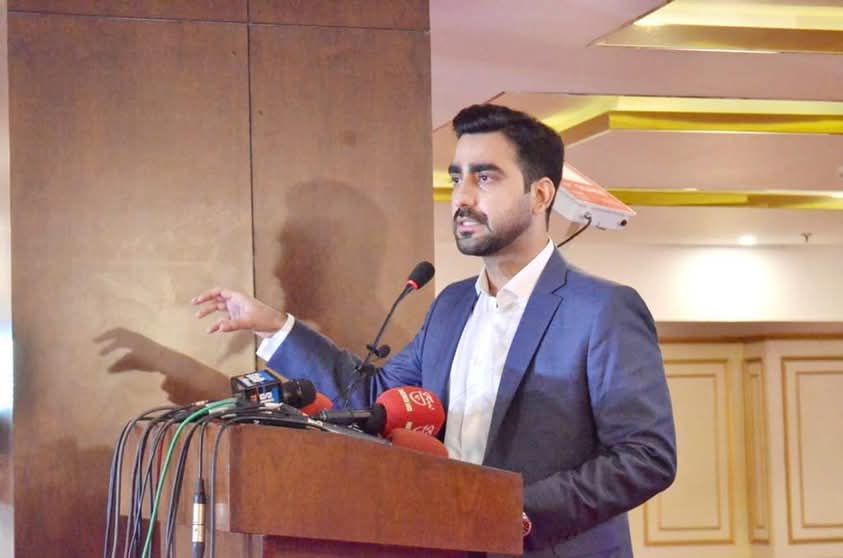
The Sindh Government has urged the federal and provincial authorities to adopt stable, long-term renewable energy policies to accelerate solar energy expansion and ensure Pakistan’s sustainable energy future.
Sindh Government Spokesperson Sukhdev Hemnani emphasized that long-term energy security depends on consistent policy frameworks, expanded solar adoption, and continued support for renewable energy consumers across the country. He stated that rising electricity costs and growing energy demand require predictable and consumer-friendly policies to boost investor confidence in the clean energy sector.
Highlighting ongoing provincial efforts, Hemnani said that under the Sindh Solar Energy Project, the provincial government is distributing solar home systems to 500,000 low-income households, significantly improving access to affordable electricity in underserved communities.
He further added that solar energy systems are also being integrated into 2.1 million homes under the Sindh Peoples Housing for Flood Affectees (SPHF) programme, describing it as one of the largest climate-resilient housing and renewable energy initiatives in the region.
Hemnani noted that under the leadership of PPP Chairman Bilawal Bhutto Zardari, a 50 percent reduction in solar taxation was secured in the last federal budget, which he said has provided significant relief to consumers and encouraged wider adoption of solar energy across Pakistan.
He warned that uncertainty in net metering and related regulatory frameworks could slow investment and hinder the growth of distributed solar energy systems. He stressed that policy consistency is essential to maintain momentum in the renewable energy sector.
“Sindh is demonstrating that renewable energy is not just a future goal but a practical and scalable reality,” Hemnani said, adding that clean energy must be supported through stable policies, long-term incentives, and sustained institutional commitment.
He also highlighted Sindh’s broader energy diversification strategy, including major wind power projects in the Jhimpir-Gharo corridor and the utilization of indigenous resources through Thar coal projects to ensure a balanced and resilient energy mix.
Hemnani stated that renewable energy consumers are helping reduce pressure on the national grid while contributing to a more decentralized and efficient power system. He called for future policy frameworks to strengthen solar incentives, ensure continuity in net metering policies, and promote wider adoption of clean energy technologies.
He further urged that upcoming budgetary measures prioritize renewable energy consumers and reinforce Pakistan’s transition toward clean, affordable, and sustainable energy solutions.
Reaffirming the provincial commitment, Hemnani said that under the leadership of Chairman Bilawal Bhutto Zardari and Chief Minister Sindh Syed Murad Ali Shah, the Sindh Government remains focused on climate-responsive governance, renewable energy expansion, and long-term energy sustainability.