

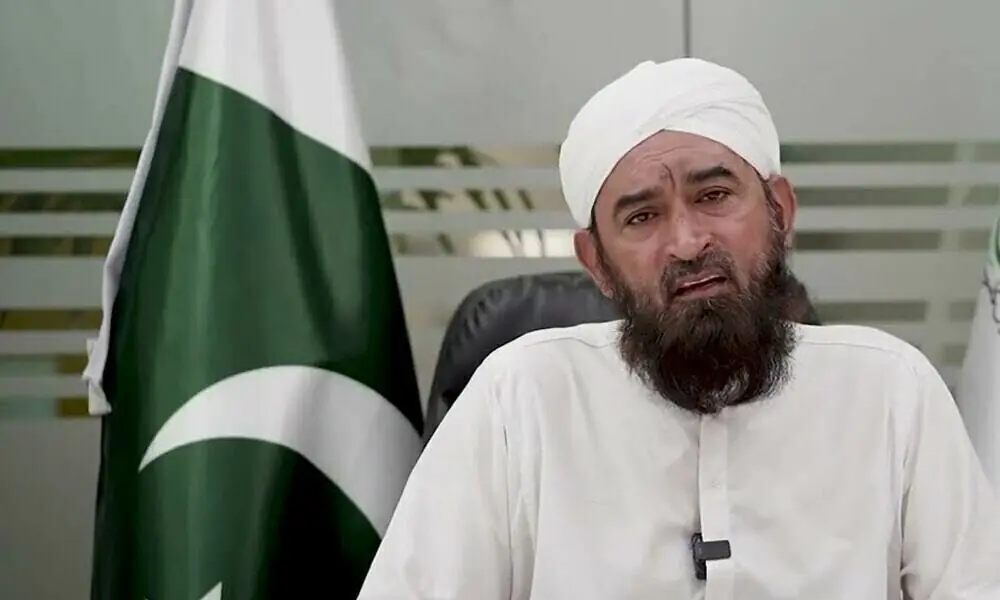
Karachi, March 23, 2026: The Founder and Chairman of Saylani Welfare International Trust, Maulana Muhammad Bashir Farooq Qadri, has strongly appreciated the austerity measures introduced by Prime Minister Mian Muhammad Shehbaz Sharif, describing them as a timely and essential step. He also proposed that, particularly in the current wartime-like circumstances, such measures should be further strengthened through consistent, day-to-day decision-making to enhance their effectiveness.
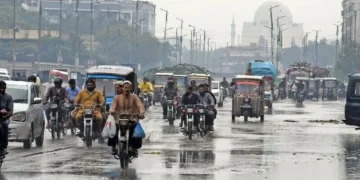
In a statement issued on the occasion of Pakistan Day, he welcomed the government’s decision to increase the price of high-octane fuel by PKR 200 for luxury vehicles, noting that this move would not impose any additional financial burden on motorcycle and rickshaw owners, as well as small car users.
He further stated that the rejection of proposals to increase petrol prices by PKR 50 and diesel prices by PKR 74 reflects the Prime Minister’s understanding of the challenges faced by ordinary citizens.
Maulana Bashir Farooq Qadri highlighted that Saylani had earlier proposed several key measures, including increasing fuel prices for large vehicles while keeping petrol affordable for motorcycles, rickshaws, and small cars. Additionally, the organization had recommended limiting wedding and other social events to prevent food wastage and avert a potential shortage of essential commodities in the country.
Referring to recent developments, he noted that the government has reportedly issued directives to limit the number of guests at events to 200 and to enforce a one-dish policy. He termed these decisions as highly commendable, adding that previously, some events had seen attendance reaching up to 4,000 people, which could lead to dangerous levels of unnecessary extravagance and resource depletion.
He expressed confidence that if the implementation authorities act with sincerity, the austerity campaign will achieve its desired success. He reaffirmed that Saylani stands firmly alongside the government in this initiative and looks forward to further historic measures.