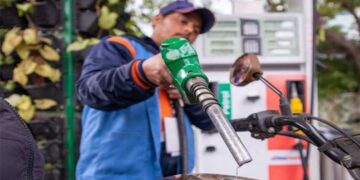


Amid recent fuel price hikes, Pakistani consumers may soon face even higher petrol costs, as the federal government is reportedly planning to increase the petroleum levy by up to Rs10 per liter. The move is part of a broader effort to tackle the mounting circular debt in the gas sector.
According to media sources, the government is also exploring the option of borrowing as much as Rs2 trillion from commercial banks to address the financial crisis faced by the gas sector. A key meeting between the Ministry of Finance and the Ministry of Energy is anticipated to finalize these plans.
Meanwhile, the International Monetary Fund (IMF) has urged Pakistan to present a clear, actionable plan to resolve the circular debt, which currently stands at Rs2.8 trillion. The IMF has cautioned that future loan disbursements may be at risk if credible reforms are not undertaken.
The government is now under pressure to implement reforms in the gas sector similar to those previously applied in the power sector. The proposed increase in the petroleum levy is one such step aimed at raising domestic revenue to reduce reliance on external support.
Sources from the Petroleum Division revealed that the circular debt crisis has reached a critical level, severely impacting state-owned companies such as Sui gas firms and other oil and gas entities.
If approved, the hike in the petroleum levy could trigger broader inflationary effects, leading to higher fuel and gas costs for consumers. Talks between the government and the IMF are scheduled to continue later this week.
To manage the crisis, the government is drafting an emergency financial plan, which includes seeking favorable bank loans and possibly negotiating a waiver or reduction of up to Rs800 billion in interest payments.
To repay the anticipated loans, the government is evaluating several options, including the introduction of a petroleum levy between Rs3 and Rs10 per liter, and a potential gas bill surcharge. Repayment is expected to occur over the next five years in phases.
Should the full levy be implemented, the government estimates it could generate up to Rs180 billion in revenue annually.