PCDMA Opposes Separation of Sales Tax and Income Tax Administration
Saleem Mukati warns that FBR’s proposed restructuring could increase compliance costs, create administrative confusion and place additional pressure on businesses.
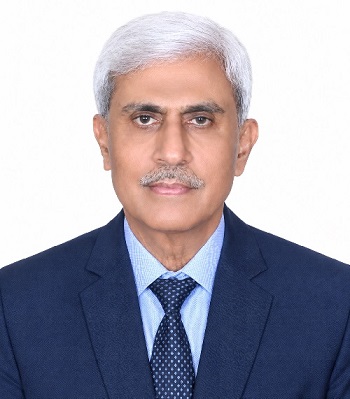
PCDMA Chairman Saleem Mukati raises concerns over FBR’s proposed tax separation.
The Pakistan Chemicals & Dyes Merchants Association (PCDMA) has opposed the Federal Board of Revenue’s (FBR) decision to separate sales tax and federal excise duties from income tax administration. The association warned that the restructuring could create additional difficulties for businesses and increase their tax compliance burden.
PCDMA Chairman Saleem Mukati said the reported reorganisation of Inland Revenue and reassignment of 54 senior officers must not make tax compliance more complicated for businesses.
Although the changes aim to improve tax collection and administrative efficiency, Mukati warned that separating the two administrations could force businesses to deal with multiple tax offices. Consequently, companies may face additional documentation, repeated visits, procedural delays and slower resolution of tax matters.
Businesses Face Additional Compliance Challenges
Mukati said businesses already face high taxation, rising operating costs, liquidity constraints and complex regulations. He warned that a fragmented tax system without effective coordination could further increase the cost of doing business.
Small and medium-sized enterprises and traders could face particular difficulties, he added.
Apple Works to Restore Services After Internal Update Causes Outage
He also cautioned that the proposed separation could create confusion over jurisdiction, reporting requirements, audits, refunds and grievance redressal.
Furthermore, weak coordination between the new sales tax commissioners and existing income tax authorities could result in overlapping notices, conflicting interpretations and unnecessary compliance requirements.
PCDMA Calls for Better Coordination
Mukati urged the FBR to clearly define the responsibilities and reporting structures of the new offices. He also called for effective coordination among income tax, sales tax and Customs authorities.
He stressed that frequent administrative changes must not disrupt business operations or create uncertainty among taxpayers.
The PCDMA chairman also called for prior consultation with the business community before introducing structural changes that directly affect taxpayers.
He said a simplified, transparent and business-friendly tax administration would help encourage investment, promote documentation and broaden the tax base.
Demand for One-Window Facilitation
Mukati pressed the FBR to introduce a coordinated one-window facilitation mechanism. He also called for clear procedures to prevent businesses from approaching multiple offices for matters that an integrated system could resolve.
He maintained that tax reforms should facilitate compliant taxpayers, reduce administrative hurdles and improve the ease of doing business.
The objective, he said, should be to improve efficiency and expand the tax base rather than add further layers of bureaucracy.