

By Dr. Gholam Mujtaba, MD, Ed.D.
On July 31, 2025, President Donald J. Trump issued a statement via Truth Social that immediately captured media headlines and social media buzz across South Asia. He stated that the United States would assist in developing “massive oil reserves” in Pakistan and hinted that “maybe they’ll be selling oil to India someday.” While Trump’s tweet showcases his trademark boldness and long-term geopolitical perspective, many commentators and media outlets have misinterpreted this message—mistakenly viewing it as a confirmation of Pakistan’s rise as a global oil power.
Let us be clear: Pakistan is not sitting on proven, exportable “massive oil reserves” ready to hit the global market. What Trump hinted at is more aligned with strategic investment potential than present-day reality.
The Facts About Pakistan’s Oil Reserves
As of the latest confirmed data, Pakistan’s proven oil reserves stand at approximately 353 million barrels—a number that places it at the lower end of the global rankings (52nd worldwide).
These reserves cover less than two years of domestic
consumption without imports. That is hardly enough to sustain its internal demand, let alone generate surplus for exports. ¹
Some speculative reports suggest Pakistan could hold up to 9 billion barrels in unexplored basins, particularly in offshore and remote inland areas. However, these estimates are based on initial geological assessments, not commercially verified discoveries. Developing such fields would need billions in investment, advanced technology, political stability, and at least ten years of infrastructure development.
Trump’s Statement in Strategic Context
President Trump’s tweet does not confirm the existence of vast proven reserves but instead announces a U.S.-Pakistan cooperation initiative in the energy sector. This aligns with his “America First” foreign investment strategy—reducing China’s economic footprint in South Asia and redirecting U.S. capital into geostrategic allies like Pakistan.³.
By suggesting that Pakistan might someday export oil to India, Trump delivered a diplomatic jab rather than an oil industry update. It serves as a way to reframe Pakistan as a future economic partner, shifting the narrative from aid dependence to growth driven by investment.
The real value of Trump’s statement lies in its political signaling:
• Affirming U.S.-Pakistan energy collaboration
• Undermining Chinese influence in regional resource development
• Offering Pakistan a chance to enter regional trade geopolitics from a position of perceived strength
But let no one confuse potential with production.
Reality Check for Pakistan’s Policy Makers
Instead of celebrating headlines and hashtags, Pakistan’s leadership must treat this moment as a wake-up call for reform:
• Attract credible exploration companies with transparency and regulatory clarity
• Invest in geological surveys and digital mapping of suspected oil zones
• Focus on domestic self-sufficiency first before dreaming of oil exports
Most importantly, Pakistan must avoid falling into the “BCCI-Abraaj trap”—inflated narratives followed by financial and reputational collapse due to lack of regulatory discipline.
Keynote
Donald Trump’s strategic messaging should be understood, not misrepresented. There is no confirmed discovery of a massive oil reserve in Pakistan as of today. What exists is potential, and the challenge lies in converting that into performance. Let Pakistan rise on the strength of verified data, professional planning, and disciplined governance—not on speculative hysteria.
References:
1. Trump’s Deal With Pakistan Raises a Big Question
2. Trump Announces US Will Develop ‘Massive’ Oil Reserves in Pakistan
3. Times of India: Maybe They’ll Sell Oil to India One Day
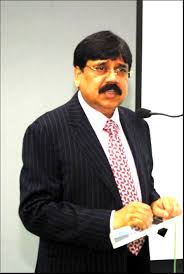
By Dr. Gholam Mujtaba, MD, Ed.D.
Author Introduction:
Dr. Gholam Mujtaba is a Pakistani American political leader, physician, and academic with doctoral credentials in leadership studies and medicine. He serves as Chairman of the Pakistan Policy Institute USA and is a senior Republican strategist closely aligned with President Donald J. Trump’s policy team. Dr. Mujtaba is a consistent advocate for stronger U.S.-Pakistan relations grounded in strategic clarity, economic discipline, and national dignity