National Security Comes First, but Government Must Protect Lawful Trade: Mian Zahid Hussain
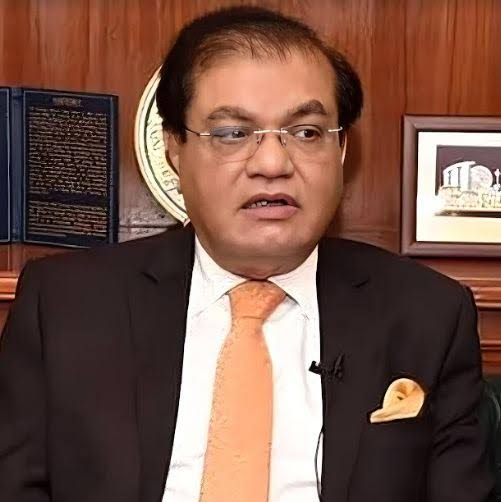
Mian Zahid Hussain calls for trader relief and the restoration of lawful Pakistan-Iran border trade.
Mian Zahid Hussain, president of the Pakistan Businessmen and Intellectuals Forum (PBIF) and All Karachi Industrial Alliance, has urged the government to protect national security while providing relief to traders affected by the suspension of Pakistan-Iran border trade.
Hussain also chairs the National Business Group Pakistan and the FPCCI Policy Advisory Board. He previously served as provincial IT minister.
Commenting on the suspension of trade through Taftan and Gabd-Rimdan, he supported necessary measures to prevent terrorism and smuggling. However, he stressed that the government should also protect lawful businesses from avoidable financial losses.
According to Dawn, a memorandum seen by the newspaper withdrew an October 3 order, No. 9(3)2017-Iran, which had halted Pakistan-Iran cross-border trade.
Border Closure Raises Concerns for Traders
Hussain said Balochistan Chief Minister’s aide Shahid Rind and Chagai Deputy Commissioner Bakhtiar Ismail had described the suspension on X as temporary. They said the measure aimed to improve security and border management.
Chef Tahira Atique’s Success Story: Two Sisters, One Dream, One Legacy
Meanwhile, Iranian Foreign Ministry spokesperson Esmaeil Baqaei told IRNA that technical issues and precautionary measures had caused the disruption. He also said consultations were continuing.
Hussain welcomed these contacts and called for the prompt restoration of lawful trade once authorities meet the necessary security requirements.
According to figures attributed to the Federation of Pakistan Chambers of Commerce and Industry (FPCCI), bilateral trade reached approximately $2.8 billion in fiscal year 2023–24. Pakistan exported goods worth $684 million, while imports accounted for roughly $2.1 billion.
He said this trade supports exporters, transporters and communities along the border. Furthermore, disruptions to imports could affect domestic supplies, including liquefied petroleum gas (LPG). He therefore called for timely arrangements to prevent shortages and limit pressure on businesses.
Traders Need a Grace Period and Clear Instructions
Hussain proposed a minimum one-month grace period for implementing trade restrictions wherever security conditions allow. This would give businesses time to fulfil existing commitments and reduce avoidable losses.
However, he acknowledged that urgent security measures may sometimes require immediate action. In such cases, authorities should arrange safe handling and clearance procedures for stranded cargo.
He also called for consistent instructions covering new bookings, existing consignments and customs clearance. Clear procedures and advance notice would help traders manage payments, transport contracts and delivery schedules without compromising border security.
According to estimates from the Quetta Chamber of Commerce cited in the statement, around 2,000 goods trucks were stranded on both sides of the border.
Hussain said some Pakistani traders had already paid their Iranian suppliers. Consequently, the disruption had tied up their working capital while transport, accommodation and cargo-protection costs continued to rise.
These delays leave businesses with less money to finance new orders. Smaller traders face particular pressure because they often have limited financial reserves. Meanwhile, perishable goods, including fruit and vegetables, risk spoilage, and exporters may struggle to meet delivery deadlines.
He urged the authorities to give special attention to small traders, truck drivers and labourers whose livelihoods depend on cross-border commerce.
Rice Exporters Face Higher Shipping Costs
Hussain said Muhammad Raza, chairman of the Rice Exporters Association of Pakistan, supported the government’s security priorities but highlighted the difficulties of redirecting all rice shipments through Iran’s Bandar Abbas port.
War-related increases in freight and insurance costs have already placed pressure on exporters. Moreover, alternative shipping arrangements could further reduce the competitiveness of Pakistani rice in international markets.
Hussain also cautioned that food-trade exceptions under US sanctions do not automatically eliminate risks involving designated shipping companies, banks or other parties.
He called for clear guidance on permissible transactions and available transport options before exporters commit additional funds. Relevant authorities should consult banks, insurers and trade associations to help businesses understand applicable restrictions and manage compliance risks.
Government Urged to Coordinate Relief Measures
Hussain urged the Ministry of Interior, Ministry of Commerce, Federal Board of Revenue and Balochistan government to establish a joint coordination mechanism.
Where security agencies permit, authorities should inspect and clear lawful consignments. They should also provide secure holding areas and prioritise perishable goods to minimise losses.
In addition, he called on the government to examine alternative legal trade routes, port facilities and temporary relief from additional administrative charges.
Hussain reiterated that Pakistan’s business community supports the country’s national security priorities. Nevertheless, he said the government should restore lawful trade promptly once authorities establish satisfactory safeguards.
He concluded that effective border surveillance and timely trade facilitation can work together to support peace, employment, economic stability and Pakistan’s export capacity.