

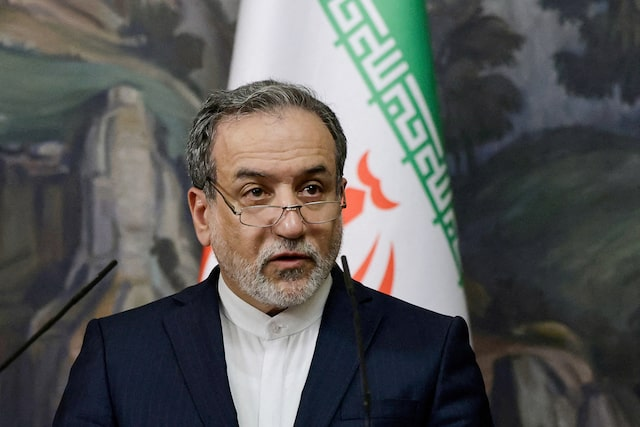
The ongoing conflict between Iran, the United States, and Israel has intensified, with Iranian Foreign Minister Abbas Araghchi warning Israel of a “heavy price” after attacks on steel factories, a power plant, and civilian nuclear sites. Speaking at an emergency session of the United Nations Human Rights Council, Araghchi described the strikes as an “illegal and ruthless war” and called for global attention to Iran’s plight.
Feminists Charisma VI Showcases Talent of Women Artists in Karachi
US Secretary of State Marco Rubio said that Washington aims to achieve its objectives in Iran without deploying ground troops, stressing the need to keep the Strait of Hormuz open for international shipping. Rubio also indicated that European powers would press him over Russian support to Iran, as Moscow reportedly provides satellite imagery and drone assistance to Tehran.
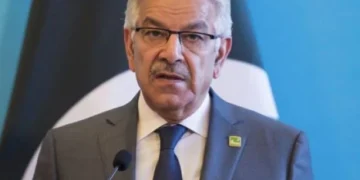
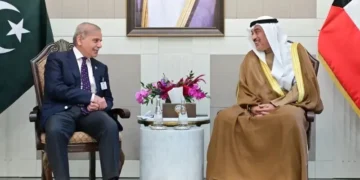
Meanwhile, Pakistan’s Defence Minister Khawaja Asif asserted that Pakistan is playing a “pivotal role” in mediating the conflict, alongside Egypt and Turkiye. Speaking on the programme Naya Pakistan, he said Pakistan’s diplomacy has reached a historic phase of international trust, particularly with the US and Muslim countries, and that the country is seizing this opportunity to strengthen its global standing.
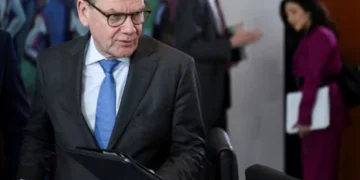
Direct talks between the United States and Iran are reportedly being prepared in Pakistan, according to German Foreign Minister Johann Wadephul. Meanwhile, Ukraine has signed a defence cooperation agreement with Saudi Arabia, providing drone and combat expertise to Gulf nations, including countering Iranian attacks.
The strategic Strait of Hormuz remains a flashpoint. Iran’s Revolutionary Guard Corps has closed the waterway to shipping from allies of the US and Israel, while the United Arab Emirates is exploring participation in a multinational task force to reopen the strait, pending UN Security Council support. Bahrain has reported intercepting 154 missiles and 362 drones since the war began.
The conflict has also escalated on the ground. US-Israeli strikes in Iran’s Urmia and other regions have displaced and wounded civilians, while Israeli forces in Lebanon and the West Bank have targeted residents, causing injuries and forced evacuations. Former Israeli Prime Minister Naftali Bennett criticized Prime Minister Benjamin Netanyahu’s handling of military operations, citing troop shortages and political interference in security decisions.
Qatar has lowered its heightened security alert after authorities indicated the threat has been mitigated, and the UN Security Council is set to hold closed-door talks on Iranian civilian infrastructure strikes at Moscow’s request.
The situation remains tense, with regional and global powers closely monitoring developments, emphasizing diplomacy and strategic coordination to prevent further escalation.