


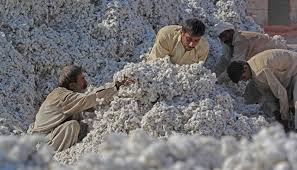
ISLAMABAD (March 9, 2026) Pakistan’s cotton sector has shown signs of recovery this season, with final production reaching about 5.6 million bales, a modest increase over the previous year and encouraging for farmers and the textile industry alike.
Business leader and former Islamabad Chamber of Commerce president Shahid Rasheed Butt welcomed the improvement, describing it as a positive signal for the country’s agriculture and export-oriented textile sector. He said the gradual revival of cotton production demonstrates that government initiatives to support farmers and encourage early sowing are beginning to yield results.
He said that Sindh emerged as the leading cotton-producing province this season, overtaking Punjab for the first time. Favourable weather conditions and timely sowing contributed to better output in the province.

Shahid Rasheed Butt said the government’s efforts to revive cotton cultivation, including awareness campaigns, incentives for early sowing, and coordination with provincial agriculture departments, have helped restore some confidence among growers. He noted that cotton remains a strategic crop for Pakistan because it supports millions of livelihoods across farming, ginning, and textile manufacturing.
The improvement in production is an encouraging development for farmers and the textile sector, he said, adding that a stronger cotton crop can help reduce reliance on imported raw cotton and support value-added exports.
The increase in production comes as farmers in Sindh and Punjab have already begun preparations for the next crop. Early sowing activity has started in several cotton-growing belts, reflecting cautious optimism among growers who hope for better yields in the coming season.
Butt said continued policy support, stable input availability, and effective pest management would be essential to sustain the cotton sector’s recovery. He appreciated the government’s focus on revitalizing cotton cultivation and urged authorities to maintain momentum so that the crop can regain its historic role in the agricultural economy.
He added that a stronger cotton sector would benefit the economy by supporting rural incomes, strengthening the textile value chain, and improving export prospects in the coming years.