

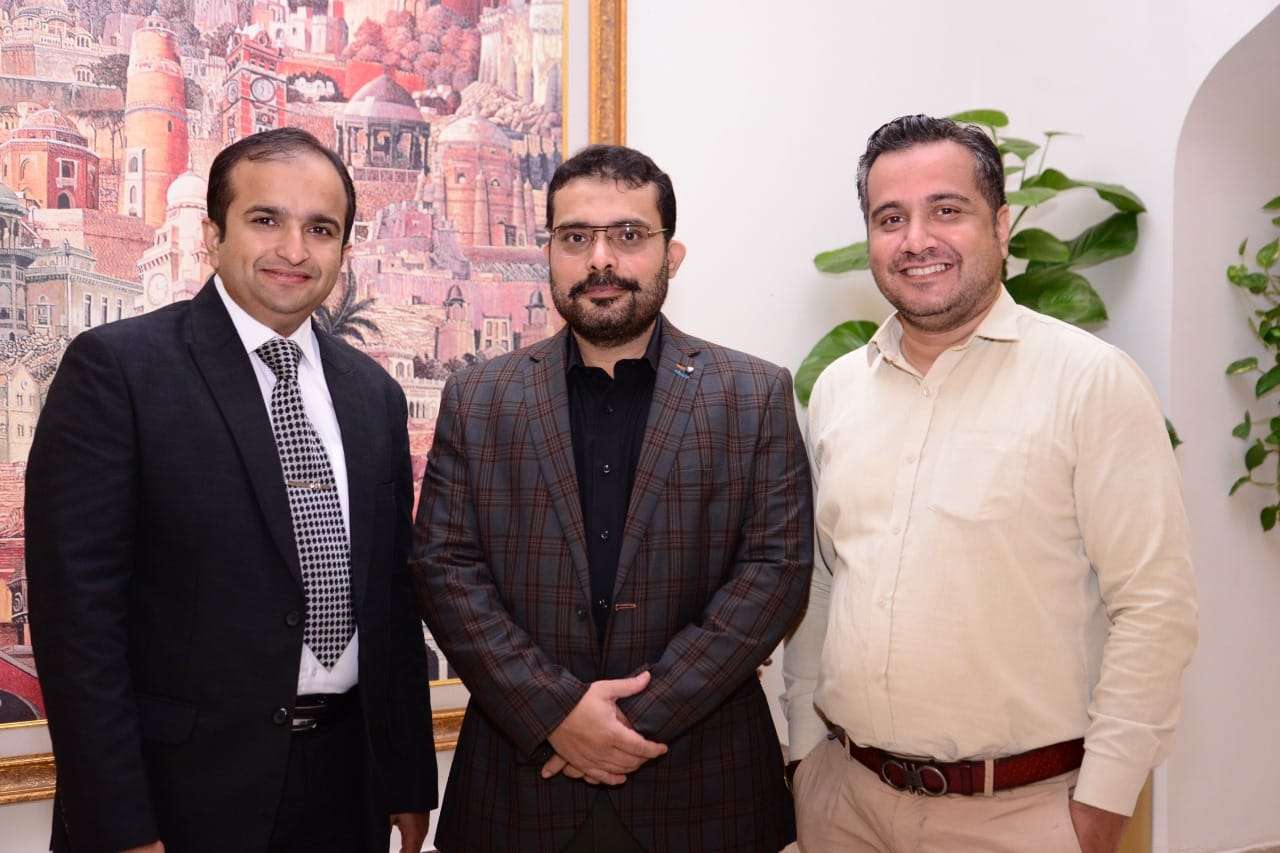
Karachi: Faraz-ur-Rehman, Chairman and Founder, and former President of KATI, stated that the current budget has provided relief in various sectors to promote industry and help the economy recover from the crisis. Key areas where relief has been provided include tax reductions for various industries, particularly for small and medium-sized businesses, and subsidies in the energy, agriculture, and manufacturing sectors to reduce production costs. Additionally, trade policies have been relaxed to boost exports, and affordable loans and financing schemes have been introduced to alleviate financial difficulties for business owners.
However, startups were completely ignored in the current budget, despite Pakistan having the advantage of a youthful population, with 60 percent being young people. Faraz-ur-Rehman emphasized that by supporting and fostering startups, the country can leverage this demographic asset to compete better on the global stage.
While these measures can help pull the economy out of the crisis, a few additional steps are necessary for complete satisfaction. Faraz-ur-Rehman highlighted the need for transparent implementation of government policies and schemes, a constant and affordable supply of electricity and gas to the industry, and the introduction of training programs for modern technology and management skills. Additionally, he suggested offering more incentives to foreign investors to increase investment in the country.
The government and its allied parties can make the budget more people-friendly and business-friendly by consulting with traders, industrialists, and representatives of the public during the budget preparation process. Furthermore, improving the provision of health, education, and basic necessities to the public, formulating economic policies that ensure long-term development, and taking strict measures to eliminate corruption will ensure the proper use of economic resources. These steps can make the budget more balanced and effective, helping the economy recover from the crisis.