

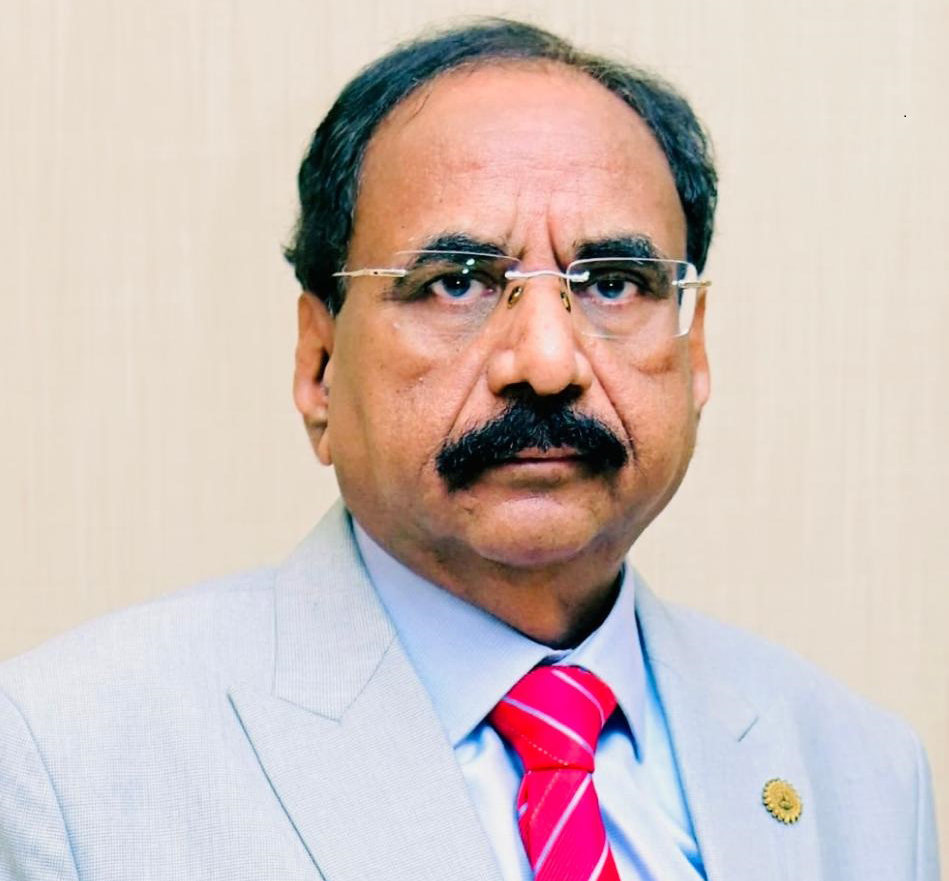
KARACHI: President of the Korangi Association of Trade and Industry (KATI), Muhammad Ikram Rajput,
has called for the immediate abolition of cross-subsidy embedded in electricity tariffs for industries,
stating that the additional cost ranging from Rs4.5 to Rs7 per unit is rendering industrial operations
increasingly uncompetitive and financially unviable.
He said the industrial sector is already grappling with high production costs, weak demand, and
mounting financial pressures. In such circumstances, the cross-subsidy amounting to nearly a 20 percent
additional burden has made it difficult for many industrial units to sustain even routine operations.
Questioning the policy rationale, Rajput said that if, as claimed by the Ministry of Energy, performance
in the power sector has improved, it is difficult to understand why a competitive electricity tariff of
around 9 cents per unit for industry remains unattainable. “If the sector is indeed stabilised, why are the
benefits not being passed directly on to industrial consumers?” he asked.
President KATI stressed that without affordable and competitive electricity, neither export growth nor
sustainable job creation is possible. He warned that the Prime Minister’s stated objective of boosting
exports and ultimately exiting the IMF programme cannot be achieved as long as industry continues to
bear the burden of policies unrelated to its actual consumption or performance.
Rajput also expressed concern over the design of the current three-year incremental consumption
package. He noted that while the previous winter package offered broad-based relief to industry, the
current scheme is restrictive, excluding several industrial units particularly those whose electricity
consumption was higher between December 2023 and November 2024.
He further criticised the load factors imposed by the Power Division, stating that there is no clear
technical or regulatory justification for applying such benchmarks in a concessional package intended to
stimulate electricity demand. These parameters, he said, appear to have been borrowed from anti-theft
and detection billing mechanisms, thereby undermining the effectiveness of the package. Instead of
encouraging additional consumption, the scheme risks merely shifting demand within the industrial
sector.
The KATI president urged Federal Minister for Energy (Power Division) Sardar Awais Leghari to
immediately remove cross-subsidy from industrial electricity bills and to undertake a comprehensive
review of the incremental consumption package so that it genuinely supports increased industrial
activity.
He concluded that the future of industry, export competitiveness, and overall economic recovery is
directly linked to fair, transparent, and rational electricity pricing.


ADVERTISEMENT