

Karachi: Under the auspices of the Arts Council of Pakistan Karachi, the book launch ceremony of renowned writer Bashir Sadozai’s travelogue on Türkiye, titled “Roshni Kay Taaqob Mein” was held at Haseena Moin Hall. The event was presided over by eminent researcher and critic Professor Dr. Moin uddin Aqeel, while Dr. Nigar Sajjad Zaheer attended as the chief guest.
Speakers at the ceremony included poet Feroz Natiq Khusro, Dr. Rana Khalid Mahmood Qaiser, Dr. Iftikhar Malik Advocate, Professor Razia Subhan, Munawar Rajput, Sadaf Aram Kabir, and other literary figures.
In his presidential address, Professor Dr. Moinuddin Aqeel said that between the Pakistan Movement and the Freedom Movement, the Khilafat Movement stands as a significant chapter of history that profoundly influenced our civilization, culture, and collective temperament. He stated that the Ottoman Caliphate of Türkiye left a lasting impact on the history and literature of the subcontinent, and this historical closeness is clearly reflected in Bashir Sadozai’s travelogue. According to him, the book is unique in its detailed observation, narrative depth, and literary style, presenting aspects rarely found in other travelogues.
Chief guest Dr. Nigar Sajjad Zaheer remarked that travel writing has a strong and ancient tradition in Urdu literature. She noted that the first Urdu travelogue was Ajaibat-e-Farang by Yusuf Khan Kambal Posh, and that the genre spans nearly two centuries. She emphasized that travelogues provide historians with insights often missing from conventional history books. She added that while reading “Roshani ke Taaqob Main” the reader feels as though they are personally touring Türkiye.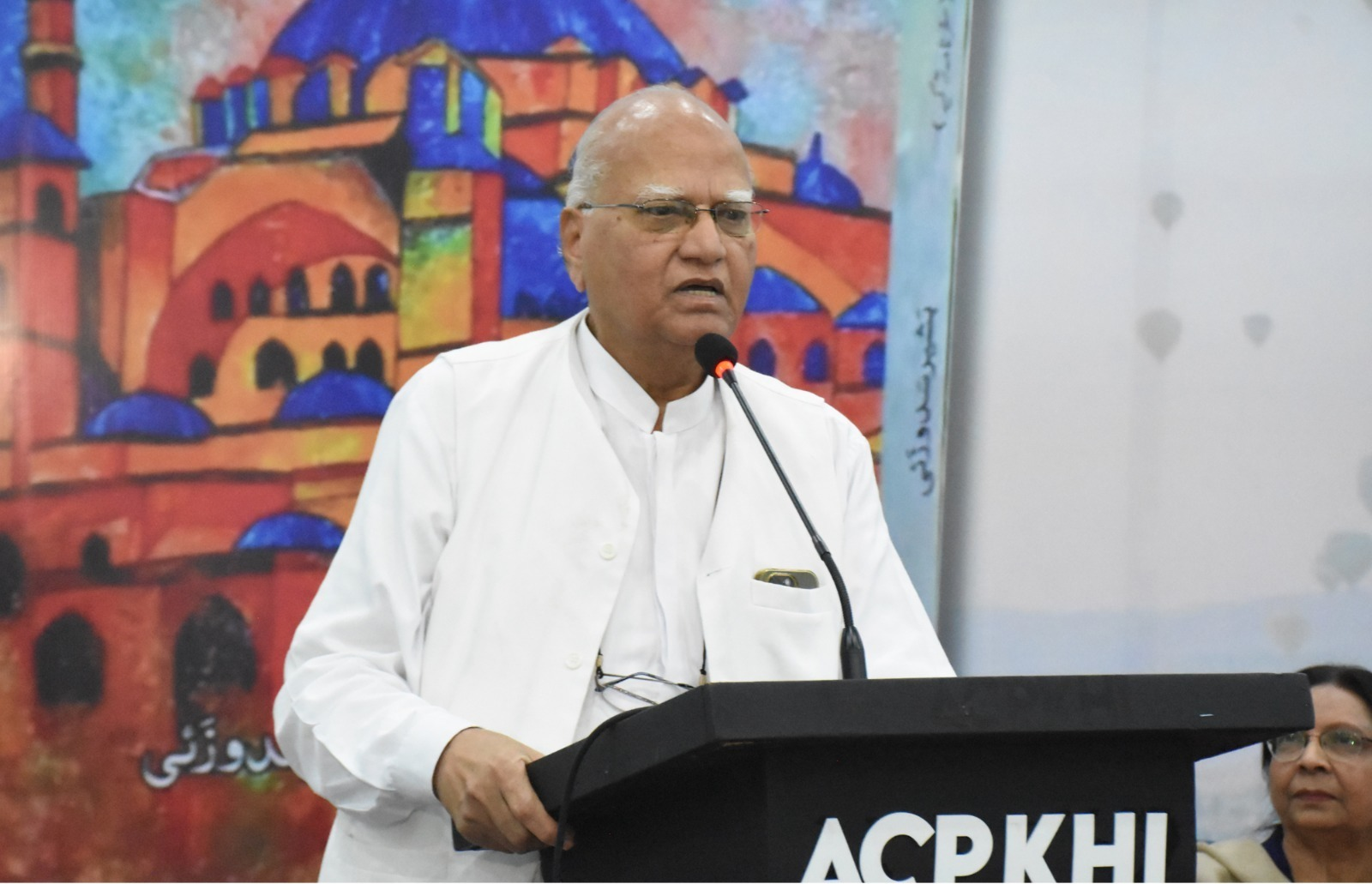
Dr. Iftikhar Malik Advocate stated that the travelogue is a comprehensive and invaluable commentary on Türkiye’s history, civilization, culture, and public life. He said the book covers six to seven cities and highlights Turkish lifestyles, social values, and includes frequent references to Pakistan and Karachi. He added that the book could also serve as a useful resource for CSS students and researchers, and stands as clear evidence of the author’s literary craftsmanship.
Poet Feroz Natiq Khusro said that the book is dedicated to “Mother Dear” and consists of 115 chapters. He noted that it beautifully presents thousands of years of history of the Sultan Ahmed area, along with descriptions of Istanbul’s cuisine, tea culture, architecture, palaces, and many other captivating scenes.
Professor Raziya Subhan said that Bashir Sadozai’s travelogues will serve as an intellectual and cultural legacy for future generations, describing the book as a profound study of Türkiye’s history and culture.
Munawar Rajput said that the title “Roshani ke Taaqob Main” is symbolic, representing the light of education, awareness, skill, and progress. He also highlighted the author’s literary contributions and previous works.
Author Bashir Sadozai, while addressing the audience, said that the presence of such distinguished personalities at the event was deeply encouraging for him. He stated that this is his fourth travelogue, with his first book published in 1996. He announced that a new travelogue based on his travels to the UK and Canada, titled “Khwab Nagar Ka Musafir” (Traveler of the City of Dreams), will be published soon.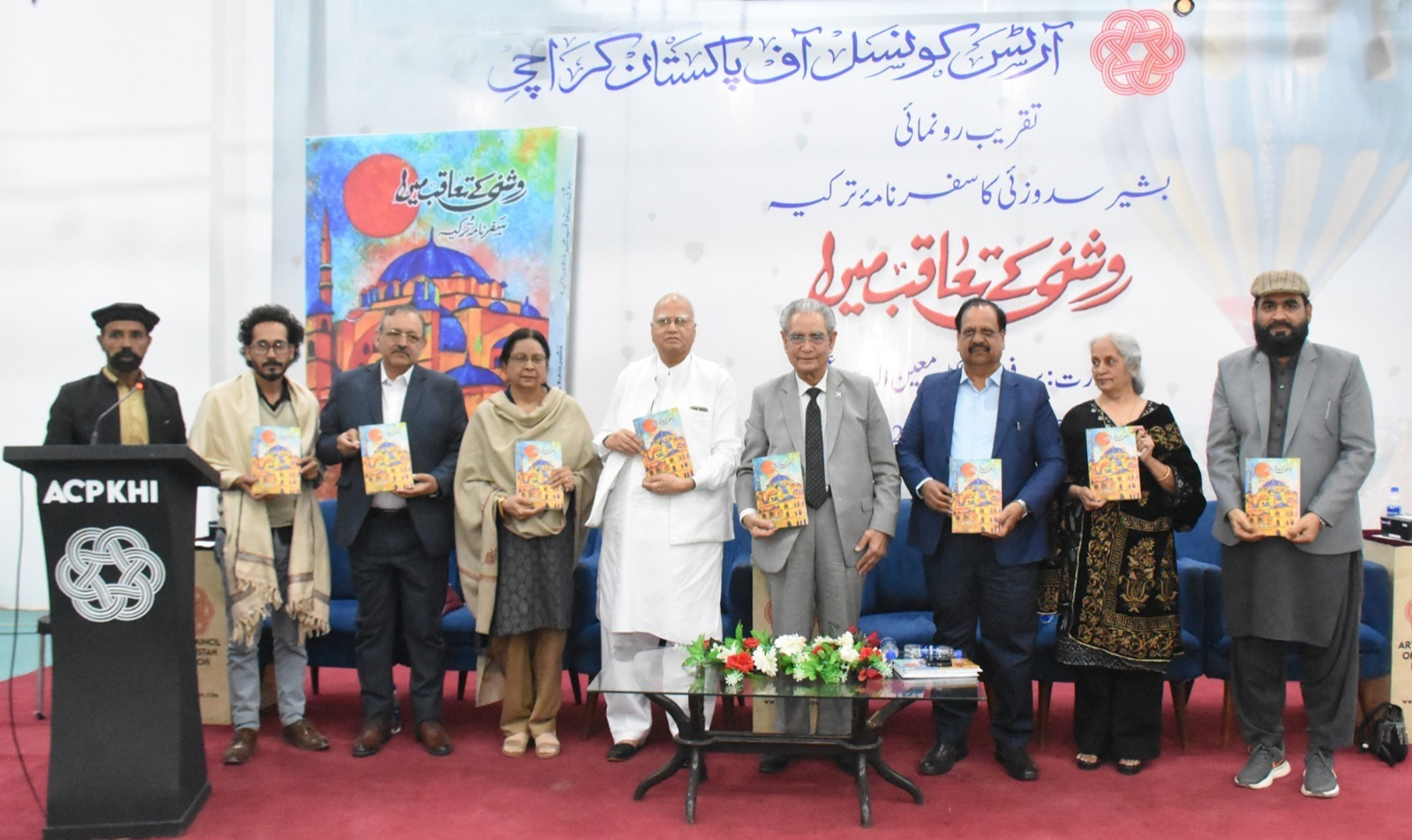
Explaining the episode of the “princess in the sealed box,” he said that when visitors enter Ottoman palaces, their passports are collected and they are given an audio guide device that records points based on the steps they take. When a button is pressed, a female voice explains the locations where the sultan used to sit, read, and make decisions. In the book, he symbolically refers to this voice as that of a caliph’s princess. He said his aim is to provide readers with an experience they may not be able to have themselves, by capturing diverse cultures, traditions, weather, tastes, dialects, and emotions within a single narrative.
He concluded by saying that past travelogues preserved the living history of their times and remain alive in literature even today. Only those travelogues endure that allow history to breathe—revealing people’s faces, fears, joys, and contradictions. Travel writing connects human beings with one another and becomes a form of self-discovery. He added that travelogues act as bridges between nations and cultures, and that this is precisely what he has attempted to achieve in his book.
At the end of the ceremony, the author thanked all the distinguished guests and attendees.


ADVERTISEMENT