

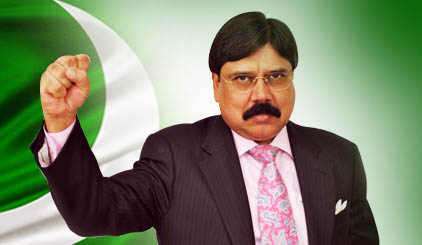
By Dr. Gholam Mujtaba, MS, MD, Ed.D.
Washington, D.C., February 5, 2026 — The White House Prayer Breakfast held today brought together senior U.S. officials, international guests, faith leaders, and representatives from diverse communities to reflect on shared moral values, interfaith harmony, and the ethical responsibilities of leadership. The event, rooted in a longstanding American tradition of faith-inspired civic diplomacy, was dignified in tone and global in outlook.
However, as a matter of public record, no Pakistani national and no Pakistani American was publicly recognized, acknowledged, or referenced from the White House platform during today’s proceedings.
This absence is noteworthy. Pakistanis and Pakistani Americans represent a community deeply engaged in public service, healthcare, education, entrepreneurship, philanthropy, and civic leadership across the United States and beyond. Over the years, members of this community have played constructive roles in promoting interfaith harmony, humanitarian relief, and people-to-people diplomacy between the United States and South Asia. Their complete omission from public recognition at such a high-profile national forum reflects a broader gap in institutional visibility rather than a lack of contribution.
The White House Prayer Breakfast serves not only as a spiritual gathering but also as a soft-power platform where inclusion and acknowledgment carry diplomatic weight. Recognition at this forum symbolizes belonging within the American civic narrative and affirms communities that act as bridges between the United States and pivotal regions of the world. The absence of any acknowledgment from Pakistanis or Pakistani Americans today represents a missed opportunity to reinforce goodwill at a time when constructive engagement with South Asia remains strategically important.
This observation is not offered as a complaint but as a constructive critique. Platforms of national and international significance carry the responsibility to reflect the full diversity of America and its global partnerships. Future Prayer Breakfasts and similar national forums would benefit from more deliberate inclusion of communities whose civic engagement, faith-based outreach, and transnational ties contribute to America’s moral diplomacy and international credibility.
The tradition of the White House Prayer Breakfast remains respected. Its impact and moral authority are strengthened when representation is broad, balanced, and reflective of the diverse communities that uphold the values the event seeks to celebrate.
About the Author:?Dr. Gholam Mujtaba, MS, MD, Ed.D., is Chairman of the Pakistan Policy Institute USA (PPI-USA). A Pakistani American civic leader and policy scholar, he has convened U.S.–Pakistan parliamentary and community engagements in Washington, D.C., and New Jersey, promoting interfaith dialogue, people-to-people diplomacy, and strategic engagement between the two nations.