Oil Prices Fall as Trump Signals Restraint on Military Action Against Iran
Brent crude drops to $91.88 a barrel as easing geopolitical concerns reduce fears of prolonged supply disruptions in the Middle East
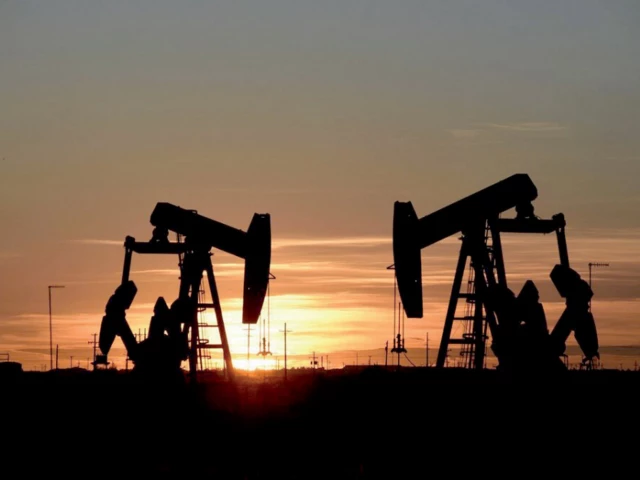
Oil Prices decline as Trump's remarks ease fears of military escalation between the US and Iran.
Global oil prices declined on Tuesday, extending the previous session’s losses after US President Donald Trump played down the possibility of fresh military action against Iran for now.
His remarks eased concerns about prolonged disruptions to energy supplies from the Middle East.
Brent crude futures fell 70 cents, or 0.75%, to $91.88 a barrel by 0246 GMT. Meanwhile, US West Texas Intermediate (WTI) crude dropped 78 cents, or 0.90%, to $86.07 a barrel.
Both benchmarks had fallen by around 1% earlier in the session.
Brent settled 5.85% lower on Monday after touching its lowest level since August 31.
Trump’s Remarks Ease Market Concerns
Trump said on Monday that he would hold off on new military strikes against Iran for the time being. He cited appeals from regional countries, including Qatar, whose prime minister discussed the situation during White House talks.
However, Trump said the United States would maintain its naval blockade in the Strait of Hormuz.
James Gunn and Peter Safran Step Down as DC Studios Co-CEOs
Oil markets have responded to the shift in Washington’s tone. Tim Waterer, chief market analyst at KCM Trade, said investors were placing greater emphasis on Trump’s more conciliatory approach towards Iran since the US midterm elections.
He noted that attacks on shipping around the Strait of Hormuz continued. However, they had not escalated enough to trigger a fresh risk premium in oil prices.
OPEC Output Increases in October
Supply developments also influenced market sentiment. A Reuters survey found that OPEC oil production increased in October, led by higher output in Saudi Arabia, Kuwait and Iraq.
The increase came despite continuing restrictions on exports.
Brent has fallen approximately 22% from its six-month high of $118 a barrel, recorded on October 30. Earlier fears that Trump might intensify attacks on Iran after the US midterm elections have since eased.
Nevertheless, uncertainty remains over shipping routes and regional energy supplies.
Strait of Hormuz Remains a Key Risk
Analysts say oil prices may struggle to fall further without stronger evidence of a lasting de-escalation.
Gregory Brew, senior analyst at Eurasia Group, said Brent was unlikely to fall below $90 a barrel without more durable signs of reduced tensions and a potential US-Iran agreement.
He also warned that shipping risks remained high as Iran continued attacks on vessels travelling through the Strait of Hormuz.
The strategic waterway remains a critical route for global energy shipments. Any disruption could quickly revive concerns about supply shortages and push crude prices higher.
Russia-Ukraine Talks Add to Geopolitical Focus
Meanwhile, Russian and Ukrainian officials were preparing to hold two days of US-brokered peace talks on Tuesday.
The negotiations mark their first meeting since February. Trump had suggested the previous week that a broader agreement could end the war, which has lasted around four and a half years, while also addressing Europe’s security concerns.
Developments in both the Middle East and Eastern Europe remain important factors for energy markets, as investors assess the potential impact of geopolitical tensions on global oil supplies.