Trump Eases Russia Sanctions as Zelensky Seeks $79 Billion in EU Aid
Washington’s policy shift raises concerns over US support for Ukraine as European leaders consider additional military assistance and financial support for Kyiv.
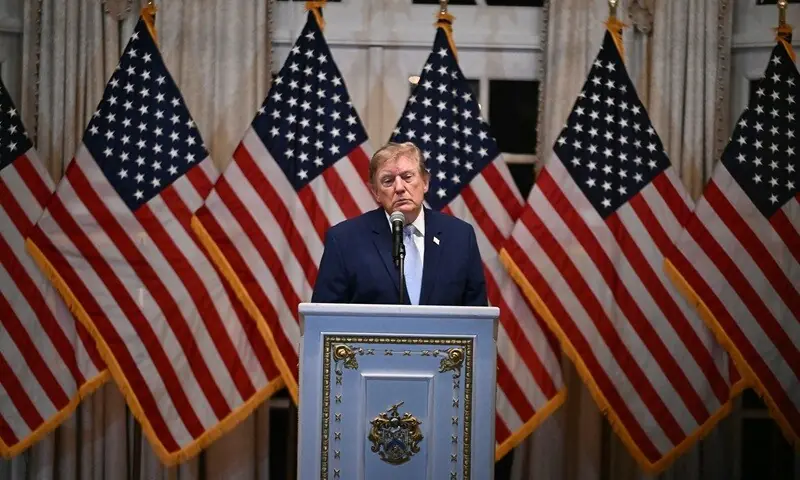
Russia Sanctions: Trump’s policy shift raises concerns as Zelensky seeks additional European support for Ukraine.
US President Donald Trump has signed an executive order easing restrictions targeting Russia’s energy revenues, raising fresh concerns about Washington’s commitment to Ukraine as President Volodymyr Zelensky appeals to European leaders for nearly $79 billion in additional aid next year.
The move comes amid strained relations between Trump and Zelensky, with Ukraine facing intensified Russian attacks, energy shortages and growing uncertainty over continued US military and financial assistance.
The Lindsey Graham Act, named after the late US senator who sponsored the legislation, authorized Trump to impose tariffs of up to 100 percent on major purchasers of Russian oil and gas. The law targeted Russia’s energy and defence industries, President Vladimir Putin and senior officials, as well as tankers allegedly used to bypass Western sanctions.
Trump’s decision to ease the restrictions follows an agreement with Putin involving the release of significant quantities of Russian diesel into international markets. The shift comes as the US administration faces pressure over rising oil prices and fuel shortages linked to the conflict involving Iran.
The economic challenges have also created political difficulties for Trump’s Republican Party ahead of the upcoming midterm elections.
Asked in Brussels whether Trump was making him a scapegoat for domestic political problems, Zelensky responded with a smile before telling journalists, “This is my answer.”
The Ukrainian president maintained that his actions were focused exclusively on protecting his country’s interests.
Relations between Washington and Kyiv have deteriorated further after Trump criticised Ukraine’s renewed strikes on Russian oil refineries, describing Kyiv’s actions as a “disgrace.”
The dispute has fuelled concerns among Ukraine’s supporters that Washington could be moving closer to Moscow’s position. Questions have also emerged over disruptions affecting a US-provided satellite communications system that Ukraine relies on for battlefield coordination.
Elon Musk’s SpaceX provides satellite technology used by Ukrainian forces. However, Musk denied that his company was responsible for the reported disruption, while a US official rejected claims of direct intervention by Trump.
European Leaders Pledge Continued Support
European leaders sought to demonstrate unity with Zelensky, warning against easing pressure on Russia while the war continues.
European Council President Antonio Costa said the current situation was not the time to withdraw support from Ukraine or relax sanctions against Moscow. He called on European countries to increase assistance and intensify pressure on Russia.
Dutch Prime Minister Rob Jetten also described the situation in Ukraine as extremely difficult, citing continued Russian attacks and worsening relations between Kyiv and Washington.
Zelensky urged European governments to provide additional Patriot air-defence missiles to help intercept Russian attacks. He also requested an additional €70 billion, equivalent to approximately $79 billion, for next year to sustain Ukraine’s defence and government operations.
Ukraine faces growing challenges in intercepting Russian missiles and strengthening its air defences before winter. Temperatures can fall to around minus 20 degrees Celsius, while attacks on electricity, heating and water infrastructure threaten essential services.
Ukrainian authorities reported that Russian strikes on the southern cities of Kherson and Zaporizhzhia killed a 64-year-old man and at least 17 other people, including an 11-year-old girl, on Saturday.
European Commission President Ursula von der Leyen acknowledged the need to address Ukraine’s funding request and called on international partners to contribute additional assistance.
French President Emmanuel Macron said Ukraine’s supporters would examine the proposal, while German Chancellor Friedrich Merz indicated that the European Union would discuss the matter before the end of the year.
Nameer Khan Says ‘Zamil’ Reflects a Mindset That Objectifies Women
Frozen Russian Assets Under Discussion
The European Union is already disbursing instalments from a €90 billion loan intended to help Ukraine meet its financial requirements through the end of 2027. However, Ukrainian officials warn that the country will continue to face a substantial budget shortfall as Russian attacks damage infrastructure and undermine economic activity.
The latest funding appeal has renewed calls for the EU to use approximately €200 billion in frozen Russian central bank assets to support Ukraine.
Latvian Prime Minister Andris Kulbergs argued that the frozen funds should be used to finance assistance for Kyiv.
However, the proposal continues to face significant obstacles. Belgium, which holds a large share of the frozen assets, remains opposed to the plan.
As Ukraine seeks additional funding and military equipment, the growing divide between Washington and Kyiv places greater pressure on European governments to determine how they will sustain support for the country in the coming year.