Oil Companies Warn Petrol Imports Could Stop Over Pricing Mechanism
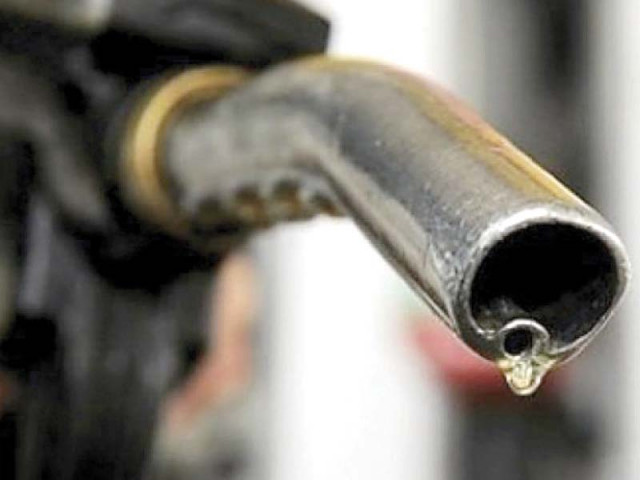
OCAC urges the government to revise Pakistan’s petrol pricing formula amid rising import costs.
Pakistan’s oil industry has warned the government that the revised petroleum pricing mechanism could make petrol imports financially unviable for oil marketing companies (OMCs). The industry has urged officials to amend the rules to reflect actual procurement costs.
The Oil Companies Advisory Council (OCAC) raised the concern in a letter to Hameed Yaqoob Sheikh, Federal Secretary of the Ministry of Energy’s Petroleum Division. It referred to the pricing mechanism approved by the federal government on August 19, 2026.
According to the council, the current formula could prevent importing OMCs from recovering their actual costs. This risk becomes more significant when international petrol import premiums rise above historical averages.
OCAC Seeks Change in Petrol Pricing Formula
Under the existing mechanism, the government applies the calendar-year-to-date (CYTD) average of import premiums, incidentals and customs duty when Pakistan State Oil (PSO) has no motor spirit (MS) import cargo during the preceding seven working days.
Oil Prices Fall as Trump Signals No Immediate Attack on Iran
OCAC argues that this historical average may not reflect current market conditions. It has proposed using the costs associated with PSO’s most recent petrol import cargo instead.
The proposed calculation would include the latest premium, incidentals, customs duty and applicable exchange rate adjustment. The council said this would better reflect replacement costs faced by importing OMCs.
The industry believes the change would also reduce the risk of significant under-recovery when international procurement costs move sharply above historical levels.
Importers Face Potential Losses of Rs17 Per Litre
OCAC highlighted a gap between PSO’s scheduled petrol shipments in October. The company’s cargoes are scheduled for October 13–15 and October 26–28, leaving an interval of about 10 days.
During that period, the existing formula could revert to the CYTD average premium of approximately $13 per barrel.
However, PSO’s subsequent cargoes reportedly carry premiums of $28.47 per barrel for late October and $28.76 per barrel for early November. Other industry imports are also being procured at premiums well above the annual average.
OCAC estimates that applying the lower historical average during the gap could leave importing OMCs with an under-recovery of around Rs16–17 per litre.
The council has described its proposed amendment as straightforward and transparent. It says linking prices to PSO’s latest actual import transaction would better reflect prevailing procurement costs.
Pakistan Relies Heavily on Imported Petrol
Pakistan meets approximately 70% of its motor spirit requirements through imports, according to OCAC. The council warned that pricing rules that fail to reflect actual costs could affect the financial viability of importers.
It also raised concerns about the wider impact on uninterrupted petroleum supplies. Importers may face growing difficulties if they cannot recover the cost of bringing petrol into the country.
The council said the issue was discussed with the Ministry of Energy’s Petroleum Division and the Oil and Gas Regulatory Authority (OGRA) on October 6. It was advised to submit its recommendation to the relevant forum for consideration.
Oil Industry Cites Mounting Financial Pressure
OCAC also pointed to existing financial challenges across the petroleum sector. These include Rs66.7 billion in outstanding price differential claim (PDC) recoveries, stagnant OMC margins and rising operating expenses.
The council cited increasing compliance requirements as another source of pressure on oil marketing companies.
It has requested a meeting with the relevant authorities and urged the petroleum secretary to intervene. OCAC wants the proposed amendment considered urgently to help ensure that petrol pricing reflects actual import costs and supports reliable supplies.