Oil Prices Fall as Trump Signals No Immediate Attack on Iran
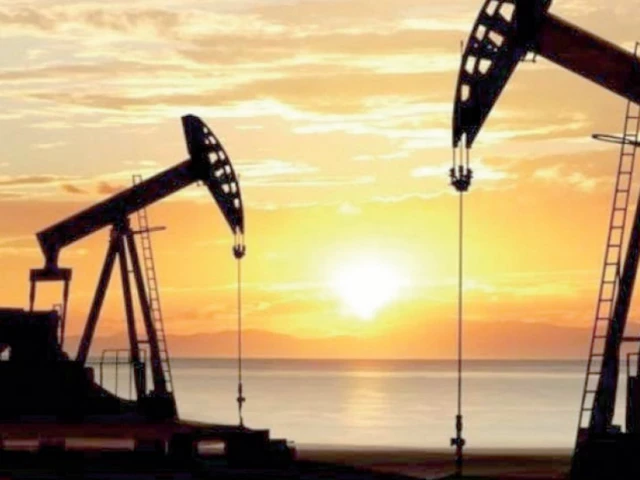
Oil prices decline as hopes for US-Iran talks ease immediate concerns over Middle East supplies.
Global oil prices fell on Friday after US President Donald Trump signalled that Washington would not attack Iran before the November 3 midterm elections. Hopes for progress in talks also eased concerns about potential supply disruptions in the Middle East.
Brent crude futures dropped $1.37, or 1.3%, to $102.91 a barrel by 0450 GMT. US West Texas Intermediate (WTI) crude fell $1.09, or 1.2%, to $90.40.
Despite Friday’s decline, Brent remained on track for a weekly gain. It had settled 4% higher on Thursday. WTI, meanwhile, was set for a slight weekly decline.
US-Iran Talks Influence Oil Market
Trump said on Thursday that Washington was holding “productive discussions” with Tehran. He also said the United States had no plans to attack Iran before the November 3 elections.
The remarks followed media reports that Trump was considering military action before the vote.
Iran’s Tasnim news agency reported that Foreign Minister Abbas Araghchi was reviewing Washington’s response to an Iranian proposal. The proposal reportedly calls for reopening the Strait of Hormuz within seven days.
Hania Aamir’s Comment on Asim Azhar’s ‘Maheya’ Video Catches Fans’ Attention
However, analysts warned that markets need concrete progress before supply concerns ease further.
“The prospect of easing tensions still needs to be reinforced by concrete progress in negotiations and improvements in shipping safety through the Strait of Hormuz,” said Linh Tran, an analyst at XS.com.
Sanctions and Shipping Risks Keep Markets Volatile
Washington continued its economic pressure on Iran despite the diplomatic signals. On Thursday, the United States announced sanctions targeting individuals, networks and 17 vessels accused of transporting Iranian crude oil, petroleum products and petrochemicals.
Oil prices have fluctuated this week amid concerns over shipping security in the Gulf and the Strait of Hormuz. Before the war, the strategic waterway carried about 20% of global oil and fuel shipments.
Any prolonged disruption could affect global energy supplies and keep prices under pressure.
China’s Fuel Exports Could Ease Supply Pressure
China is preparing to resume refined fuel exports after a brief suspension during its Golden Week holiday, Reuters reported on Friday, citing sources.
The move could help ease tight global supplies of diesel, gasoline and jet fuel.
Meanwhile, the International Energy Agency agreed to accelerate the release of oil stocks. The plan, launched in March, also prioritises diesel supplies.
These measures could provide additional supply to markets facing disruptions and uncertainty.
Hurricane Isaias Threatens US Oil Production
Supply concerns also persist in the United States because of Hurricane Isaias in the Gulf of Mexico.
According to the US Marine Minerals Administration, producers had shut in about 1.3 million barrels per day of oil production by Thursday. That represented 62.9% of current output in the affected area.
Tran said the disruption was supporting oil prices. However, its longer-term impact would depend on inspections after the storm and how quickly operations resumed.
Investors are now watching diplomatic developments, shipping conditions and weather-related outages for signs of the next major move in oil prices.